World Center for Strategic Studies
From closed analysis to public debate
- MONTH
- YEAR

EU Off Course: Big Promises Abroad, Mess at Home
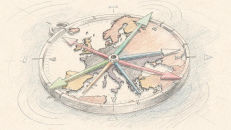
Europe is trying to run before it can walk – and it’s starting to trip.
This CIDOB review asks a blunt question: has the EU lost its sense of direction by chasing global influence while its own foundations remain unfinished?
Brussels wants to be a climate leader, a geopolitical player and an economic heavyweight all at once.
But internal reforms lag, compromises pile up and delivery keeps slipping.
The result is a widening gap between what the EU says it can do and what it actually controls.
Ambition races ahead of reality
The EU talks confidently about shaping global rules on climate, trade and sustainability. Yet internally, key reforms drag on. Energy markets remain fragmented, fiscal coordination is weak and industrial policy is half-built. External ambition is running far ahead of internal capacity.

Green leadership meets political resistance
Climate goals are bold, but implementation is messy. Member states clash over costs, timelines and burden-sharing. Energy transitions hit voters’ wallets, fuelling backlash and delay. The EU promises transformation abroad while struggling to sell it at home.
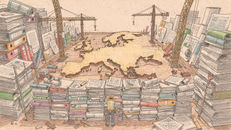
Economic reform stuck in neutral
The examination highlights long-standing failures to deepen the single market, fix capital markets and boost productivity. Without these reforms, Europe’s economic base stays fragile. Global influence built on weak growth is influence on borrowed time.
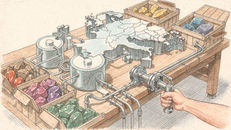
Energy vulnerability won’t disappear
Despite rhetoric about resilience, Europe remains exposed to external shocks. Energy security is uneven, supply chains are strained and diversification is incomplete. Strategic autonomy sounds impressive until the next crisis tests it.
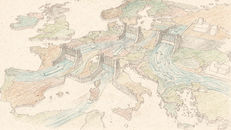
Internal divisions blunt external power
Foreign policy ambitions depend on unity – and that unity is thin. National interests, electoral pressures and north-south divides slow decisions. By the time Europe agrees, the moment often has passed.
Credibility gap widens
Partners hear Europe’s promises but watch its delays. Rivals see hesitation and exploit it. When internal delivery falters, external credibility erodes. Influence becomes performative rather than decisive.
Where this leaves Europe: Loud abroad, shaky at home.
The mismatch is becoming impossible to ignore.
Unless the EU aligns its internal reforms with its external ambitions, it will keep projecting strength it cannot sustain. In a harsher world, unfinished business is not a detail – it is a liability.