
World Center for Strategic Studies
From closed analysis to public debate

- MONTH
- YEAR

Europe’s chip plans are in trouble – and Brussels still can’t deliver
This HCSS “Draghi Report Revisited” piece takes a hard look at Europe’s semiconductor ambitions one year after Mario Draghi’s warning on Europe’s economic future – and the findings are uncomfortable. The EU has laws, slogans and “coalitions”, but it still lacks what matters: speed, money, and industrial scale. Instead of landing big wins, Europe is watching major chip projects collapse or freeze, exposing how fragile the EU’s semiconductor strategy really is.
Big promises, weak delivery
The EU has tried to project confidence. It pushed through the Chips Act, boosted joint programmes and promised a European comeback in chipmaking through public-private investment. Coordination has improved and the political narrative is loud.
But the piece makes clear that this is not industrial strength. Europe remains far behind the US and East Asia in capacity, experience and market weight. The gap is not shrinking fast enough, and Europe’s “strategy” still looks more like a patchwork than a plan.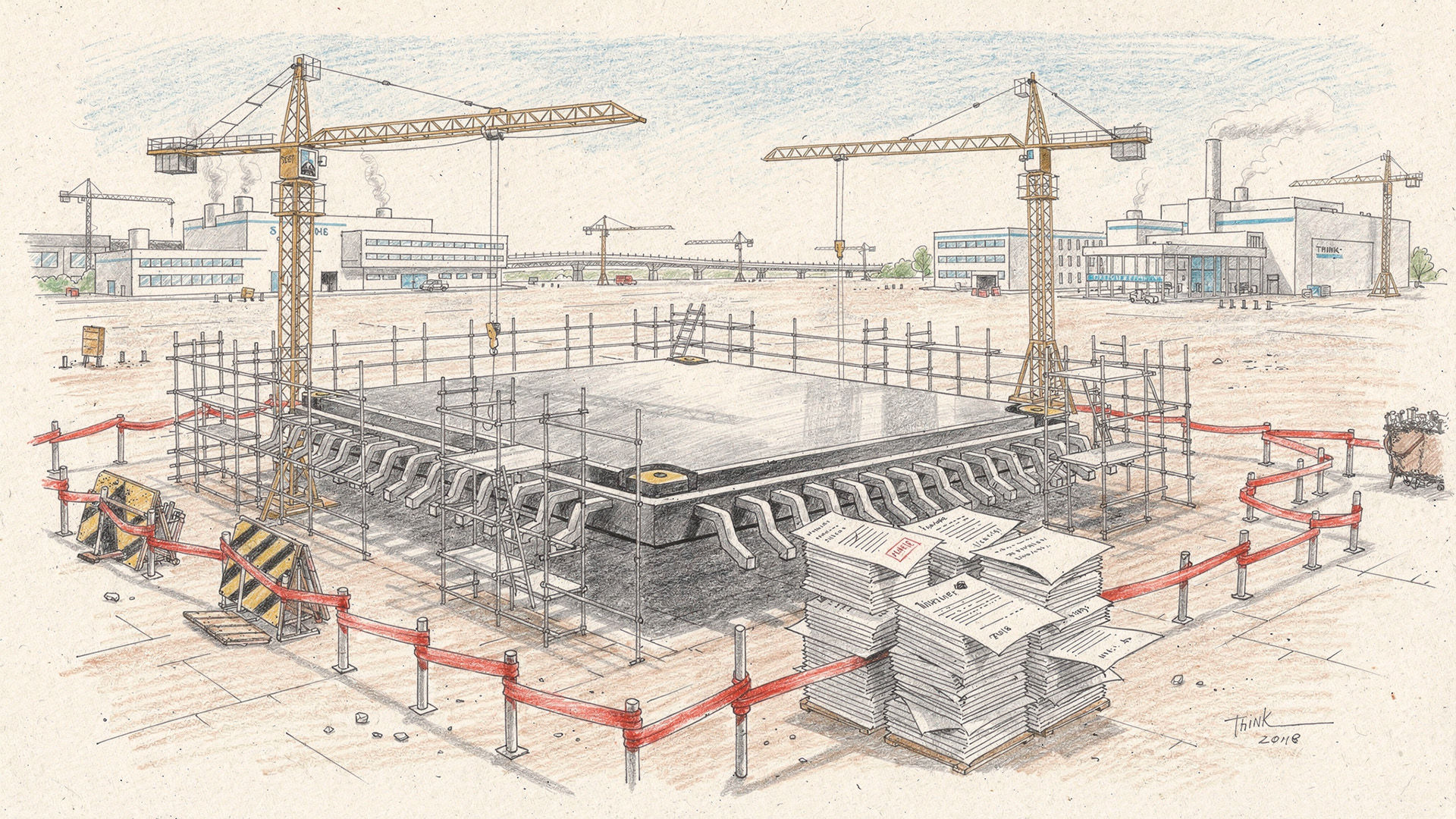
Europe keeps losing the projects it needs most
Here’s the brutal part. The flagship investments that were meant to prove the EU could build serious chip manufacturing in Europe are failing. Intel cancelled its planned fabs in Germany and Poland – a credibility blow that hits confidence across the entire European chip push.
Another huge plan, a €5.7 billion fab project by STMicroelectronics and GlobalFoundries in France, was suspended. When headline projects collapse, it sends a simple message to the world: Europe is too slow, too costly, and too difficult for industrial giants to commit to.
No cash, no confidence
Europe keeps talking about sovereignty, but funding remains scarce. The entire model depends on public-private financing, yet private investors are not lining up the way Brussels hoped.
That leaves Europe in a dangerous position – it promises strategic autonomy but struggles to finance the industrial scale required to compete. In chipmaking, small money means small results.
EU bureaucracy is killing momentum
Even when Europe wants factories, it makes them hard to build. Permitting is slow, regulations are heavy, and decision-making is fragmented across national governments and EU-level bodies.
While competitors move fast, Europe drowns projects in process. Chips are not a sector where you can afford delays – but delays are built into the European system.
A workforce problem that won’t go away
Europe also lacks enough specialised workers to scale semiconductor manufacturing. Even if the money improves, Europe could still hit a wall because it does not have the talent pipeline to staff and run high-end fabs at the required scale.
What Europe needs to do next
The direction is clear: streamline permits, cut delays, secure more serious funding, and build coordination that goes beyond political symbolism. Europe also needs stronger partnerships with global chip powers – especially if future US policy becomes less predictable and more “America First”.
The real test Europe still hasn’t passed
The benchmark for success is simple – one confirmed final investment decision for a major €10bn+ semiconductor project backed by real public-private funding, plus an EU fast-track mechanism that works in practice.
Right now, Europe hasn’t delivered that win. It has meetings, strategies and glossy headlines – but it still doesn’t have enough factories, enough money, or enough momentum.