World Center for Strategic Studies
From closed analysis to public debate

- MONTH
- YEAR

Will Europe Fail? The Question Nobody Wants to Answer
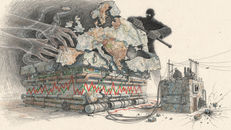
The commentary confronts a question Brussels prefers to dodge – not whether Europe faces problems, but whether it is structurally capable of fixing them. It does not predict collapse or drama. Instead, it lays out a colder risk: slow failure through hesitation, fragmentation and loss of nerve. Europe, the piece argues, is drifting into a world where power moves faster than its institutions can cope.
At its core, the analysis says Europe is stuck between awareness and action. Leaders talk openly about danger, from war to economic decline, yet remain trapped in systems designed for calmer times. The threat is not one single crisis, but accumulation. Each unresolved weakness narrows Europe’s room to manoeuvre.
No catastrophe, just erosion
The paper rejects the idea of a sudden European breakdown. What it describes instead is steady decay – influence leaking away through delayed decisions, half-measures and internal bargaining that never quite ends.
Institutions built for yesterday
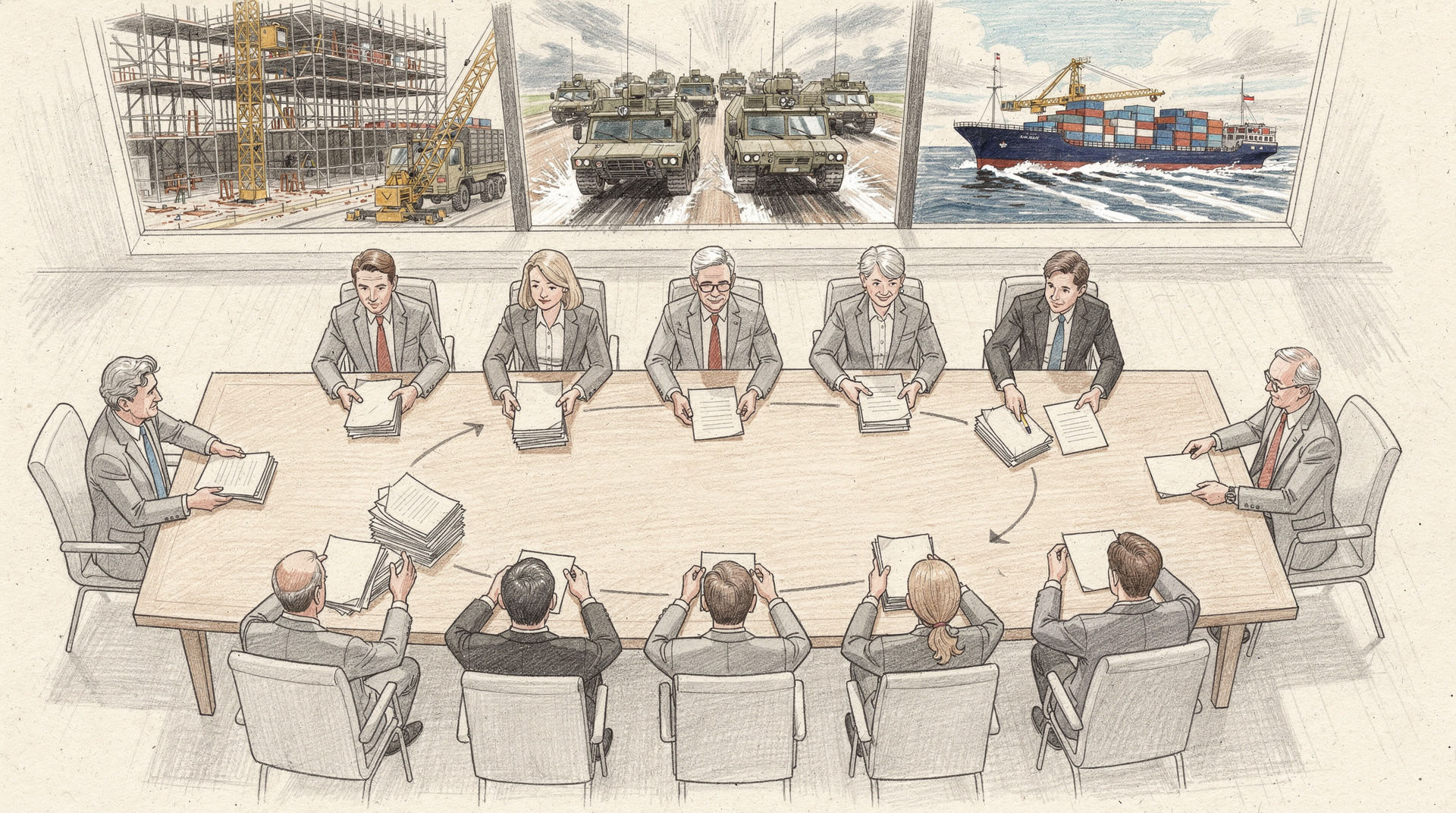
Europe’s governance model prizes consensus and caution. The analysis shows how this once delivered stability but now produces slowness and dilution. When speed matters, process overwhelms purpose.
Power shifts elsewhere
While Europe debates, others act. The US sets the security agenda, China plans long-term, and Russia exploits openings. The commentary frames this as a control problem – Europe reacts to choices made elsewhere.
Internal divisions harden
North versus south, east versus west, frugal versus spenders. The paper stresses that these splits are no longer tactical but structural, making collective action harder with each crisis.
Ambition outruns capacity
Europe speaks the language of a geopolitical actor but lacks the tools to back it up. Defence gaps, industrial weakness and energy dependence expose the gap between rhetoric and reality.
Citizens feel the drift
Public trust erodes as promises fail to deliver. The analysis warns that political fragmentation and protest voting are symptoms, not causes, of deeper institutional fatigue.
The warning sign: Failure doesn’t need collapse
Europe does not have to fall apart to fail. It only has to remain stuck while the world moves on.
If Europe keeps postponing hard choices, it may preserve the appearance of unity while losing relevance piece by piece. The real danger is not dramatic failure – it is waking up too late to realise that influence, once lost, rarely comes back.