World Center for Strategic Studies
From closed analysis to public debate
- MONTH
- YEAR

Europe Ringed by Fire: 2026 Brings a Harder, Riskier World
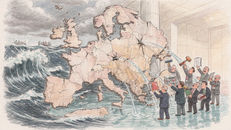
The commentary delivers a sobering security forecast for 2026 and makes one thing clear – Europe is entering a year of elevated danger with little margin for error. Conflict risks are multiplying on Europe’s borders and beyond, while the EU’s ability to shape events remains limited. The piece argues that this is no longer about isolated crises. It is about a crowded threat landscape where several conflicts could escalate at once and stretch Europe’s attention, resources and unity.
At its core, the analysis says Europe is facing a convergence of risks rather than a single dominant threat. War in Ukraine grinds on with uncertain outcomes, the Middle East remains volatile, instability across Africa deepens, and global power rivalry sharpens. The EU understands these dangers, but preparedness and political will lag behind the pace of change.
Ukraine remains the central test
The war in Ukraine continues to define Europe’s security environment. The analysis stresses that escalation risks, fatigue among supporters and uncertainty about external backing all raise the stakes. A frozen conflict would not mean stability – it would lock in long-term insecurity.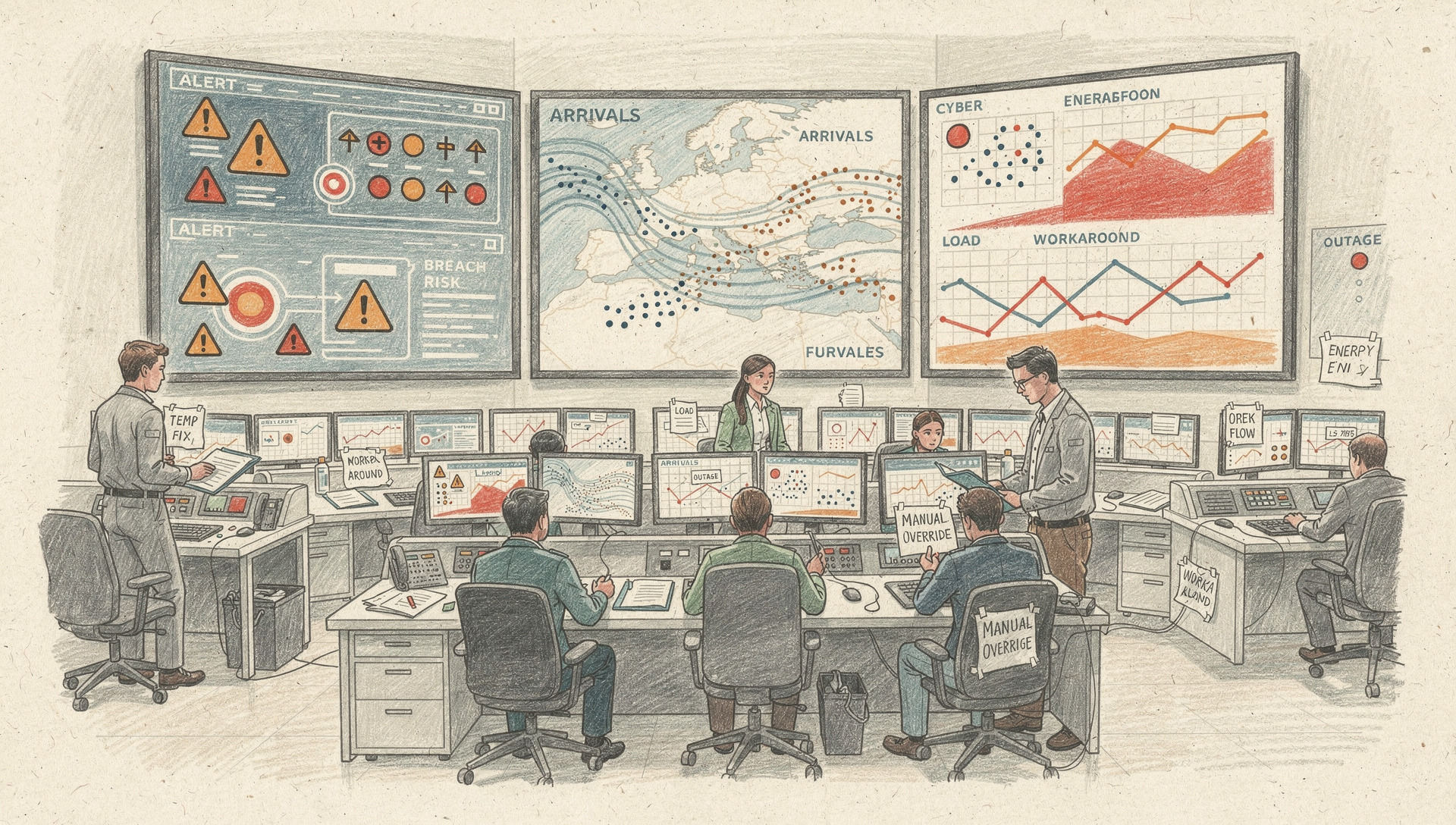
Middle East shocks travel fast
Conflict in the Middle East may seem distant, but its effects are not. The paper highlights spillovers through energy markets, migration pressures and global polarisation that hit Europe quickly and hard.
Africa’s instability creeps closer
Fragile states, coups and armed violence across parts of Africa pose indirect but serious risks. The analysis shows how insecurity feeds migration flows, terrorism risks and geopolitical competition that Europe struggles to manage.
Great-power rivalry tightens the squeeze
US–China competition and Russia’s confrontation with the West form the backdrop to all regional crises. The commentary frames Europe as operating in a system where escalation elsewhere can rapidly limit its options.
Hybrid threats don’t stop
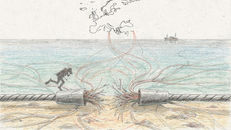
Cyberattacks, disinformation and coercive economic tactics remain constant pressure points. The analysis warns that these grey-zone threats blur the line between peace and conflict, keeping Europe permanently off balance.
Europe’s response capacity is thin
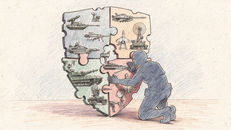
While risks grow, Europe’s military readiness, industrial capacity and crisis management tools remain uneven. The paper argues that awareness has improved faster than capability.
The big warning: Overlap is the real danger
Europe’s greatest risk is not one war, but several at once.
In 2026, Europe faces a world where shocks can stack up faster than decisions are made. Without stronger preparation and clearer priorities, the EU risks being pulled from crisis to crisis, reacting late and paying more each time. The threat picture is crowded, unforgiving and already taking shape – whether Europe is ready or not.