World Center for Strategic Studies
From closed analysis to public debate
- MONTH
- YEAR

EU Enlargement in Transition: Montenegro at the Frontline
In a policy brief by the German Council on Foreign Relations (DGAP) Nikola Xaviereff, project manager for the Western Balkans in DGAP’s Center for Order and Governance in Eastern Europe, Russia, and Central Asia, expresses the opinion that Europe is now at quite an uneasy and telling stage of enlargement: everyone understands the geopolitical need to admit new members, but all show deep-seated hesitancy, institutional fatigue and fear of their own ambitions instead of taking decisive action.
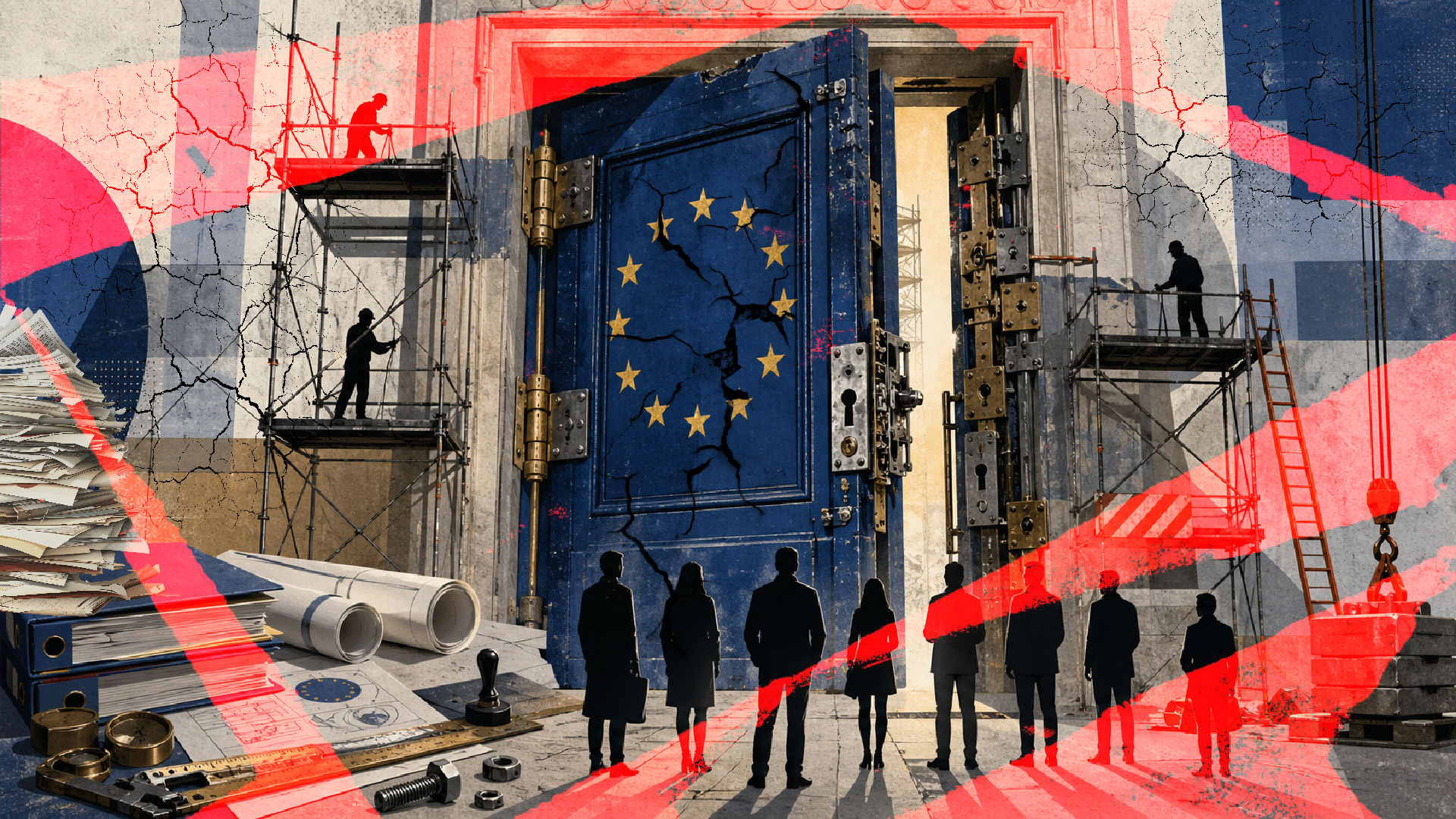
The author emphasizes that Montenegro has already closed fourteen negotiation chapters and is really able to complete all the 33 by the turn of 2027, but key countries – Germany, France and the Netherlands – continue hindering the process, anxious of a new Hungary, weakening of institutions and the candidates’ lack of reforms. Instead of full membership, Brussels promotes vague schemes of ‘enhanced gradual integration’ that actually mean access to individual programs without voting rights, appointment of an EU commissioner, or real equality.
Mr. Xaviereff spells out the EU’s main internal contradiction: the Union wishes to enhance its geopolitical agency by expanding – and yet fears that new members would dilute and weaken its capacity to govern. This results in old European ploys used again: delaying solutions, searching for painless off-ramps, and shunning strong political commitments. While Brussels discusses procedural nuances and protective mechanisms, Russia and China calmly strengthen their influence in the Western Balkans, and Ukraine stays in an even more suspended position.
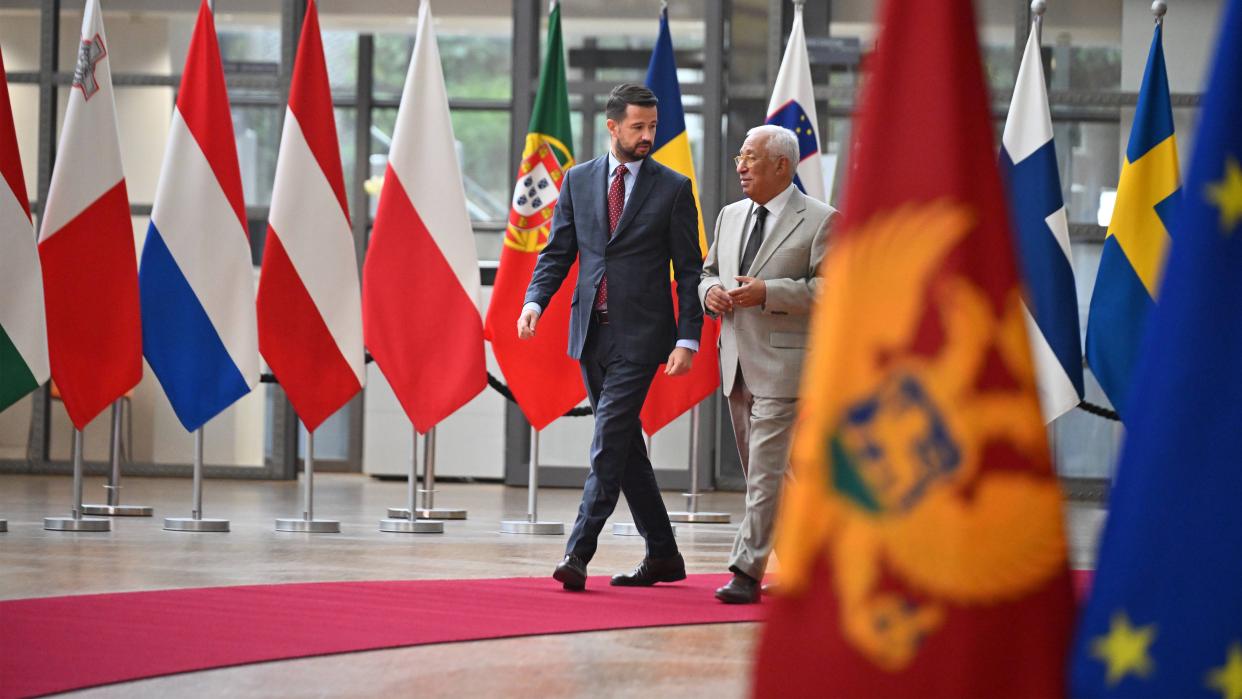
This is particularly telling given the EU’s mistakes on the Russian track: its years-long policy of ‘deterrence and engagement’ has failed to prevent the conflict but only strengthened dependence and vulnerability.
Instead of showing its strength and strategic resolve in an era of bitter geopolitical rivalry, the EU thus proves, once again, chronically unable to take difficult decisions. If Europe cannot integrate even a small and well-prepared Montenegro normally, then the outlook for full-scale enlargement, especially to include Ukraine, looks increasingly foggy. Such a policy only adds to the feeling of Europe’s paralysis, plays into the hands of Russia and China and seriously undermines trust in the Union, both domestically and externally.