World Center for Strategic Studies
From closed analysis to public debate

- MONTH
- YEAR

An Age of Liminality: Contradictions in Command
An analytical article entitled An Age of Liminality: Contradictions in Command, dealing with the transformations in the contemporary world, was posted on the website of the Austrian Institute for International Affairs in April 2026.
The world has entered a new era characterized by the rule by force. The breakdown of the rules-based international order represents a major challenge for the EU, which itself has been a product of the departing liberal world order.
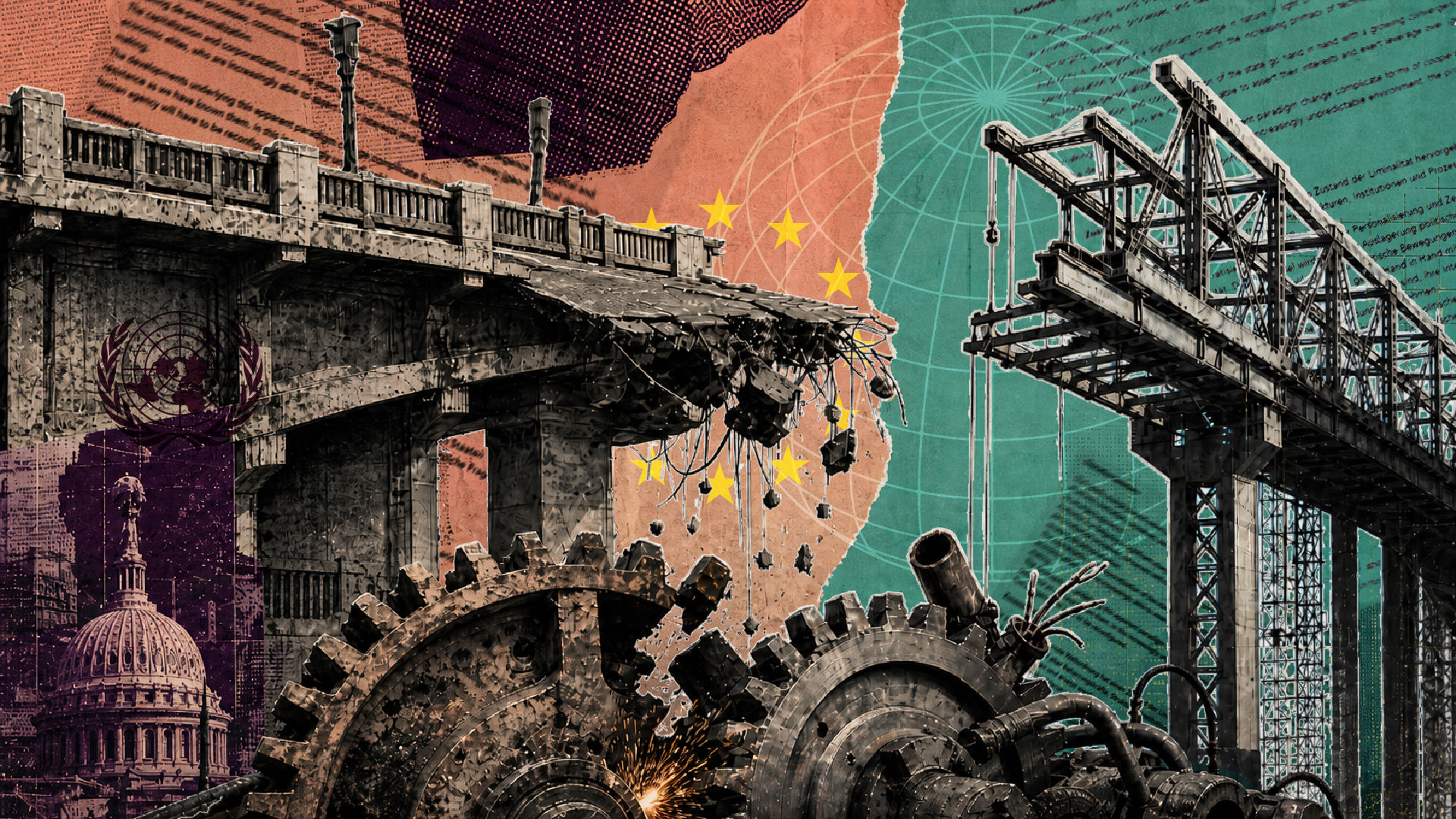
In Europe, anxiety and pessimism have come to replace a reassuring sense of stability, security, and a predictable future. Europeans feel overwhelmed by the sheer speed of change and by the rising number of security threats.
We can define three meta-trends relevant to international politics.
A Changing Nature of Authority.
A continuing trend toward streamlining decision-making structures results from the need to promptly respond to emerging challenges and developments. This has led to cutbacks in democratic processes and to redistribution of decision-making in favor of the executive, which contributes to autocratization and personalization. Authority becomes dependent on a leader’s personality.
Personalization has become a defining feature of power at the highest levels. At other levels of governance, on the contrary, decision-making structures are increasingly depersonalized – by way of outsourcing decisions to AI, particularly in the name of security. The European Travel Information and Authorisation System (ETIAS) and the UK’s Electronic Travel Authorisation (ETA) system have largely outsourced decision-making to AI algorithms that determine which information counts as credible, and which signals are treated as risk
Both personalization at the top and digitalization at lower levels undermine human rights. They limit accountability and transparency, and reinforce bias and inequality.
State Inc.
The post-liberal order has been characterized by the re-establishment of the State’s supremacy over the economy. But this is not a planned economy of the 20th century. Neoliberal reforms of the 1990s and 2000s have capitalized and marketized the state. This has increased the State’s financial resources available for redistribution.
States are increasingly run like private companies, ‘State Inc.’. This has facilitated the resurgence of informal, neo-patrimonial mechanisms of redistribution, such as patronage networks. ‘State Inc.’ is a trend where political power, personal economic interests, and clients’ interests increasingly overlap, and the bureaucratic and judiciary apparatuses are at command.
The trend towards the corporatization of the state reduces citizens to the status of passive clients. In return for economic security, they lose democratic agency.
The Emerging New International Order
Power shifts at the international level, such as China’s rise to superpower level and the emergence of middle powers, have entailed the waning of Western hegemony. Trust in multilateral institutions, rules, and norms, expected to deliver stability and wealth, has been undermined.
Such an abandonment of multilateralism and the rules and norms that come with it has resulted in ‘diplomatic restraint’ being systematically dismantled. The space for negotiated compromise is narrowing
Under the second Trump administration, the USA redefines NATO as a space for transactional and conditional arrangements rather than a foundational alliance. The EU is forced to abandon its normative ‘civilian power’ identity for a posture of permanent readiness to respond to global crises.
The world of 2026 has abandoned trust in cooperation and institutions. Leadership is becoming increasingly personalized and marketized. The above trends push toward a world where a few powerful individuals and opaque digital systems decide and enforce, exempt from the constraints of any rulebook – taking agency away from civil society and dismantling democracy.