
World Center for Strategic Studies
From closed analysis to public debate

- MONTH
- YEAR

Giorgia Melonis Reformagenda im politischen Labor Italiens
On 28 April 2026, a report entitled Justizreform, Wahlrecht, Premierato – Giorgia Melonis Reformagenda im politischen Labor Italiens, about a reform of the Italian electoral system initiated by Prime Minister Giorgia Meloni, was posted on the website of the Konrad Adenauer Foundation close to the Christian Democratic Union party of Germany.
The reform of electoral legislation is being proposed after the ruling coalition lost a referendum on judicial reform. The opposition is celebrating victory, for it was against the referendum from the outset, citing a threat to the rule of law and to an independent judicial power. The referendum ended in an unexpectedly high voter turnout of 54 percent. The majority rejected the reform. It was a defeat for Giorgia Meloni.
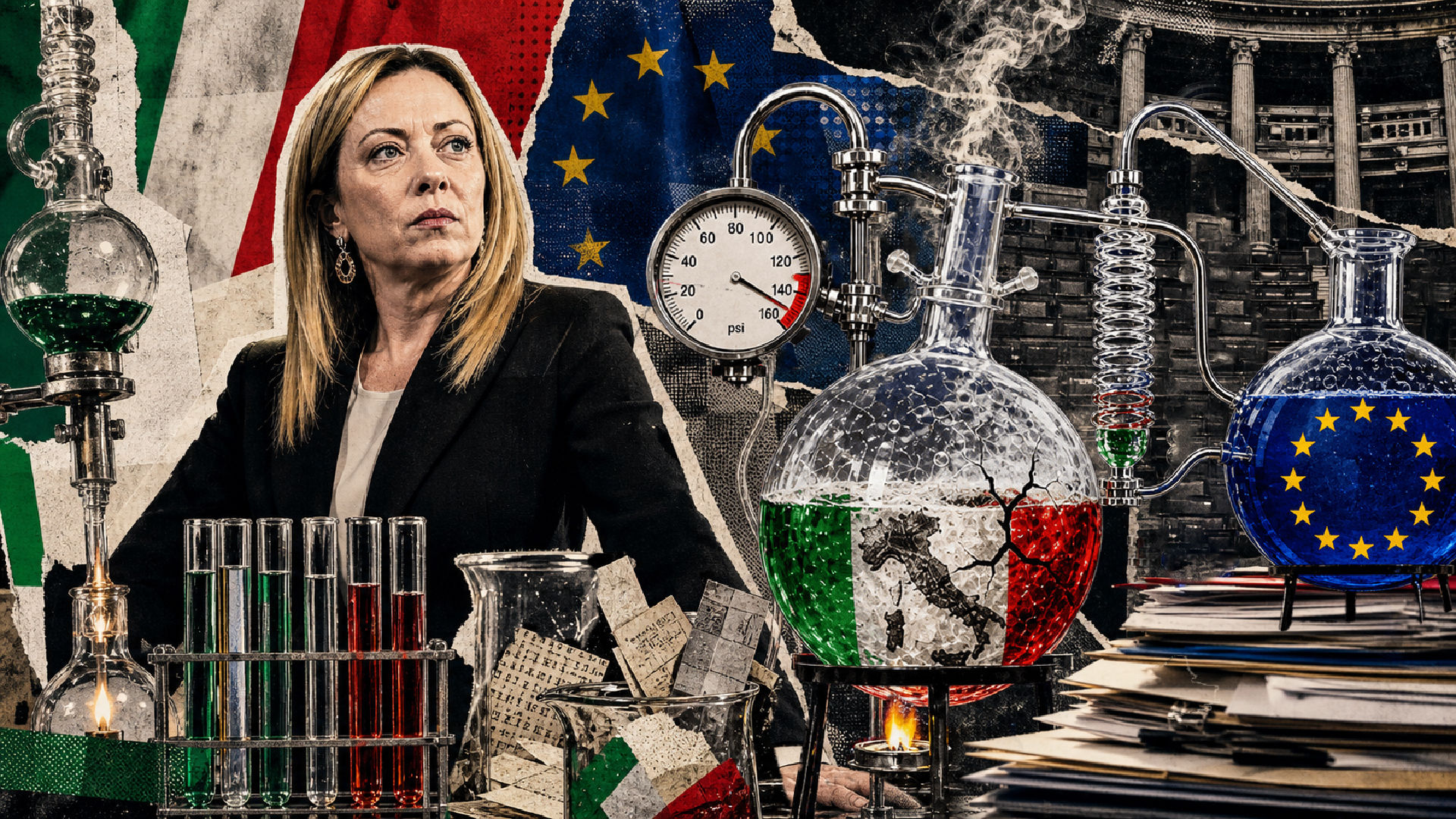
The expected victory at the referendum was to kick off a broader program of reform, including amendments to the electoral legislation. The electoral reform planned is intended to guarantee a stable pro-government majority and broader powers for the prime minister.
It makes sense to ask why the government turned to the suffrage issue as late as nearly a year before the next election. The Venice Commission, that evaluates constitutional changes in Council of Europe member States, stresses the importance of stable electoral legislation and recommends not to vote changes shortly before an election. Last-minute changes in electoral law are rightly attributed to influence exerted in the incumbent parties’ and leaders’ favor.
It transpired quite recently how little institutional power the prime minister has over their own cabinet. Ms. Meloni was prevented from simply firing her controversial minister of tourism Daniela Santanchè and had to ask the minister publicly to resign.
Italy’s coalition governments have always depended on minor partners and individual deputies, so they have often had to resign early. Fragmented parliaments, constant changes of government and a deep-seated distrust for parties, institutions and politicians have been typical of Italy since its First Republic collapsed more than thirty years ago.
The proposed reform provides for:
- creation of a fully proportional electoral system and abolition of direct elections in majoritarian constituencies;
- if the first-place party gets more than 40 percent of votes, then it gets a bonus of additional mandates: up to 70 seats in the Chamber of Deputies and 35 in the Senate;
- a second round of the election to follow if no party or bloc reaches 40 percent but two coalitions get more than 35 percent;
- a requirement for parties and coalitions to nominate their PM candidate in advance.
The first three items are apparently not quite democratic, for they disentitle voters from electing deputies in their constituencies directly and distort the distribution of the votes cast for parties by assigning a bonus to the first-ranking party. The third item is discriminatory to smaller parties.
The opposition stands against the reform. But there are differences in the ruling coalition, too. The question of how the winner’s bonus will be distributed across a coalition is still outstanding. Lega Nord, well represented regionally, finds the abolition of direct-vote constituencies disadvantageous.
The ruling coalition can well pass the new electoral law pending the election. The question is how the voters will take it. Strong resistance to the reform from the opposition and civil society may be expected, as well as an over-politicized election in 2027. This trend may pick up amid the energy crisis and after the ruling party’s defeat in the March referendum.