World Center for Strategic Studies
From closed analysis to public debate
- MONTH
- YEAR

Europe’s Survival Trap: Alive, But Losing Power
The CSIS Eurofile episode uses David Marsh’s new book to ask a harsher question than whether Europe can keep existing.
The real issue is whether it can still prosper in a fractured world where the United States, China and Russia all squeeze its room for manoeuvre.
Europe has survived crises before: the euro shock, Brexit, populism, war and years of strategic drift.
But survival is not strength.
The warning is blunt: a continent that only endures may still become poorer, weaker and less relevant.
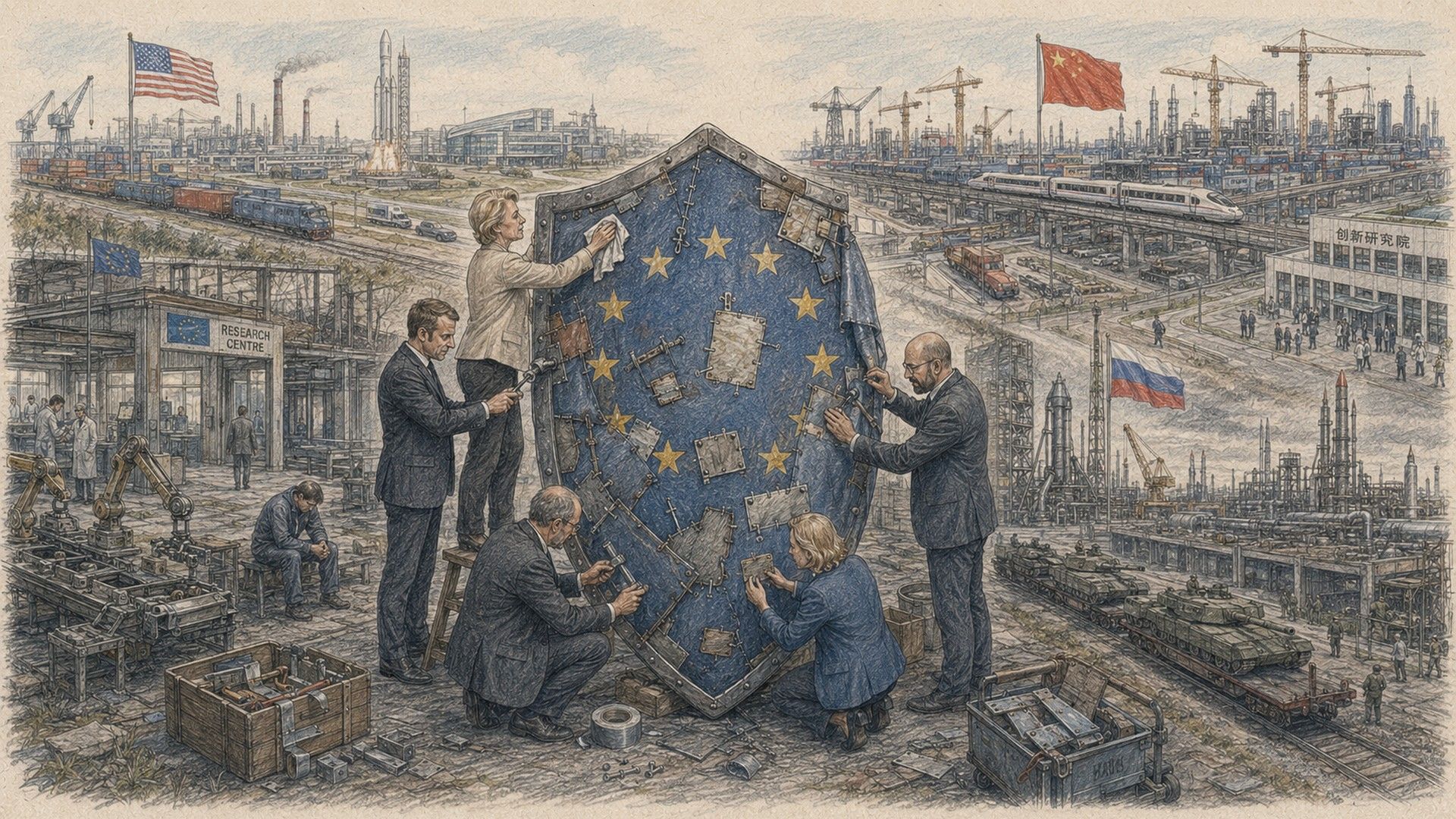
Europe keeps dodging collapse
The discussion does not treat Europe as doomed.
Marsh’s argument is more uncomfortable than that. Europe has a long record of muddling through, absorbing shocks and finding last-minute fixes when the system looks close to breaking.
The euro survived. The EU survived Brexit. Ukraine’s war forced new unity. But this habit of emergency survival has become a trap. It keeps Europe alive without forcing the deeper reforms needed to make it powerful.
Prosperity is the missing test
The episode shifts the question from survival to prosperity.
That matters because Europe can remain a large market, a wealthy region and a democratic bloc while still losing strategic weight. Slow growth, weak productivity, ageing societies and political fragmentation all eat away at the continent’s ability to act.
Europe’s danger is not instant ruin. It is managed decline dressed up as resilience.
The euro still casts a shadow
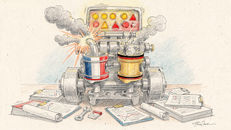
The euro is treated as one of Europe’s greatest achievements and one of its hardest tests.
It bound countries together and gave the EU a global monetary symbol. But it also exposed the weakness of a currency union without enough fiscal, political and banking integration behind it.
Europe can make big historic moves. The problem is that it often leaves the architecture half-built, then panics when pressure hits.
Brexit damaged both sides
Brexit remains a warning, not a clean break.
For Britain, it showed the cost of believing national control could be restored without economic pain or diplomatic loss. For the EU, it removed a major military, financial and diplomatic player while confirming that integration can still provoke rebellion.
The result is bleak for both. Britain is outside the room. Europe is smaller, more continental and still struggling to turn unity into power.
Washington is no longer the old shelter
The transatlantic relationship runs through the episode as a central stress point.
Europe grew used to American protection, American markets and American strategic leadership. That bargain is now less reliable. US politics are more volatile, Washington is more focused on China, and Europe is being pushed to carry more of its own security burden.
This is where the old model breaks. Europe wants influence, but still depends too heavily on the ally whose patience is wearing thin.
Russia and China expose the gap
Europe’s external challenge is no longer theoretical.
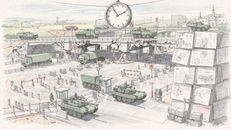
Russia has returned war to the continent and forced Europe to confront its defence weaknesses. China has turned trade, technology and industrial scale into strategic weapons. The United States is more transactional.
That leaves Europe squeezed from three directions: military danger from Russia, economic pressure from China and strategic uncertainty from America.
Process is not power
The EU is good at summits, rules, procedures and compromise.
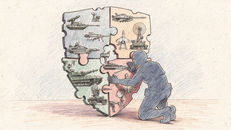
Those strengths helped it survive. They do not automatically make it a geopolitical actor. Power requires speed, money, industrial capacity, military credibility and political courage.
Europe’s problem is that its machinery was built for negotiation, not confrontation. In a harsher world, that difference matters.
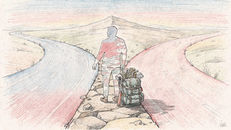
The stark truth: Europe can survive and still shrink.
The CSIS discussion leaves Europe with a sobering choice. It can continue to muddle through crisis after crisis, celebrating survival while rivals shape the rules around it.
Or it can finally treat prosperity and power as the real test.
Europe’s danger is not disappearance. It is becoming a comfortable spectator in a world run by tougher players.