
World Center for Strategic Studies
From closed analysis to public debate
POPULAR
- MONTH
- YEAR

What kind of US security partner will Europe be? The EU is being pushed into a role it can’t control
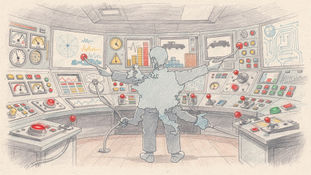
This Stimson Center piece asks a question that cuts straight through European slogans: what is the EU actually going to be in the US-led security order? Europe wants to sound like an autonomous strategic actor, but the reality is messier. The EU depends on American power, NATO capabilities, and US intelligence, while trying to build its own defence identity at the same time. The article suggests Europe is being squeezed into a security role shaped in Washington, not Brussels – and Europe’s internal divisions make it even harder to respond with clarity.
Will Europe survive? A sobering warning says the EU is cracking under pressure
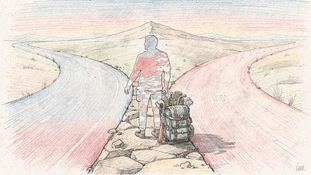
This Stimson Center Trialogue episode with Glenn Diesen is a bleak diagnosis of Europe’s trajectory. The argument is not that Europe faces one single crisis – it’s that the continent is being pulled apart by multiple forces at once: the Ukraine war, US strategic dominance, economic decline, and a security mindset that is turning Scandinavia and Europe into a militarised frontline. Europe wants to look united and strong, but the discussion paints a continent losing independence, losing stability, and possibly losing the EU project itself.
Europe’s trade reality is brutal: the EU can’t stand up to the US or China
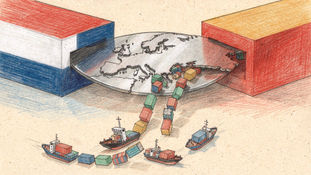
This CER analysis argues Europe is learning three hard lessons about trade in a world run by power politics, not polite rules. The EU likes to see itself as a global trade giant, but the past year has exposed how vulnerable it really is. Washington can pressure Europe without fear, Beijing can undercut Europe with state-backed industry, and Brussels struggles to respond because it is divided and dependent. The message is grim: Europe’s trade model was built for yesterday’s world – and it is being punished for it.
Europe is stuck in slow motion: EU inertia is becoming a serious threat
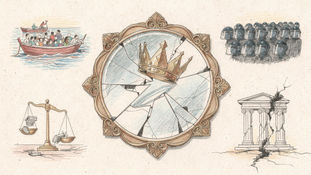
This ECFR article delivers a blunt warning – the EU is drifting into danger not because it lacks strategies, but because it lacks speed. From climate policy to defence readiness, Europe is moving too slowly to keep up with a world that has turned brutal and competitive. While rivals act fast and take risks, the EU debates, delays and waters things down. The core message is simple: Europe’s biggest enemy may not be Russia or China, but its own inertia.
Europe’s “strategic autonomy” fantasy is collapsing: the EU still can’t stand up to the US or China
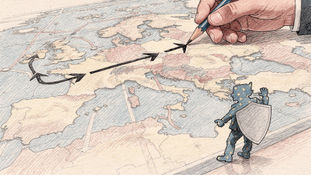
This Institut Montaigne piece argues that Europe is being forced into an uncomfortable choice it has spent years trying to dodge. The EU talks endlessly about “strategic autonomy”, but in reality it remains squeezed between America’s hard power and China’s economic pull. The article’s message is blunt – autonomy is not a slogan, it is a cost. And Europe has not paid it. Faced with Beijing’s rise and Washington’s pressure, the EU cannot keep pretending it can have full independence without major compromises.
Europe can’t even move its own troops properly: the EU’s military mobility problem is a security risk

This EUISS brief delivers an awkward truth for Europe’s defence ambitions – the EU can talk about deterrence all it wants, but it still struggles with the basics of moving forces quickly across the continent. Roads, railways, bridges, ports, paperwork and national rules all slow things down. In a real crisis, those delays could be fatal. The report argues the EU must treat military mobility as a strategic priority, because right now Europe’s infrastructure and bureaucracy are undermining its own security.
Europe’s undersea lifelines are wide open: the EU is scrambling to protect cables it can’t afford to lose
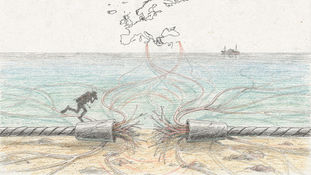
This EPC paper warns that Europe’s subsea infrastructure – the cables and pipelines that keep its internet, energy and economy running – is far more vulnerable than most Europeans realise. The EU has launched an action plan, but the analysis argues this is not enough. Threats are rising fast, from sabotage and espionage to accidents and geopolitical pressure. Meanwhile Europe’s response remains fragmented, slow and underpowered. The hard truth is that Europe depends on undersea networks it does not fully control and cannot reliably defend.