
World Center for Strategic Studies
From closed analysis to public debate
POPULAR
- MONTH
- YEAR

Can an alliance divided against itself compete with China?
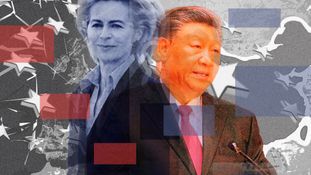
On 20 January 2026, the U.S. Brookings Institute publishes an article entitled “Can an alliance divided against itself compete with China?” by Jonathan A. Czin, Fellow at the Institute’s Chair in Foreign Policy Studies. The article is published under the Institute’s Reimagining Europe’s Security project.
Bundeswehr on Empty: Thanks Given, Readiness Missing

The analysis cuts through ceremony and slogans to expose a harsh reality inside Germany’s armed forces. Praise for service members is plentiful. Combat readiness is not. The piece argues that Berlin has mastered the language of respect while failing to deliver the basics soldiers need to fight and win. Applause cannot substitute for equipment, training and leadership that work under pressure.
Europe’s Welfare Squeeze: Globalisation Exposes a System Under Strain
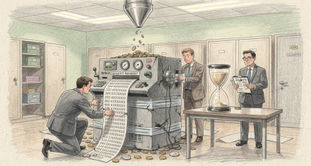
The brief takes aim at Europe’s cherished social models and delivers an awkward verdict – globalisation has moved faster than reform, and the gap is now painfully visible. Europe wants generous protection, open markets and fiscal restraint all at once. The paper argues this triangle no longer holds. As competition hardens and demographics bite, Europe’s welfare states face pressure they were not built to absorb.
EU Fiscal Rules in Trouble: Reform Delayed, Costs Rising
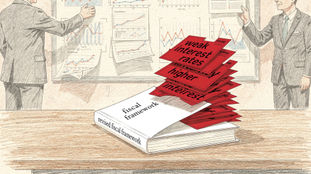
The analysis delivers a blunt warning that Europe’s revamped fiscal rules are already falling behind reality. Barely rolled out, they are being overtaken by weak growth, higher interest rates and mounting spending demands. The piece argues that Brussels promised stability and credibility, but delivered a framework too rigid for today’s pressures and too complex to work smoothly in practice. Reform is no longer a future debate. It is already overdue.
Europe’s Defence Trap: Innovation Needed, Debt Politics Freeze Action

The analysis warns that Europe is trying to rearm for a dangerous world while tiptoeing around debt like it’s still a taboo. The result is a muddled approach that promises innovation in defence but refuses to confront how to pay for it at scale. The piece argues that Europe wants modern military capability without upsetting fiscal orthodoxy – and that hesitation is already slowing delivery.
Trump’s Davos Shock: Europe Shaken, Not Fixed
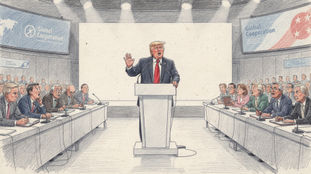
The analysis looks at Donald Trump’s disruptive return to the Davos stage and delivers a mixed verdict for Europe. The shock was real. Complacency was punctured. But the claim that this jolt has made Europe “healthier” is treated with caution. The piece argues that Trump’s blunt pressure may have clarified problems, yet it has not solved them. Europe feels more alert, but still underpowered.
Europe’s Regulation Overload: Brussels Trips Over Its Own Rules

The brief delivers a sharp critique of the EU’s regulatory machine and lands on an awkward conclusion – Europe’s problem is no longer lack of ambition, but too much poorly controlled lawmaking. Brussels keeps piling on rules in the name of protection, fairness and strategy. The result is a regulatory thicket that slows growth, scares investment and weakens Europe’s ability to compete. The paper argues that “better regulation” has become a slogan masking systemic failure.
The Donroe Doctrine Goes North: Europe Loses the Arctic High Ground
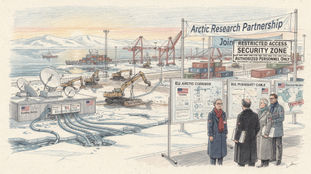
The analysis warns that Washington’s hardening “Donroe Doctrine” has now reached the Arctic – and Europe is not ready for the consequences. What once felt like a remote, cooperative space is turning into a theatre of power politics where the United States moves first and sets terms. The piece argues that Europe’s Arctic influence is thinning fast as American priorities tighten and security logic crowds out partnership.
Europe Ringed by Fire: 2026 Brings a Harder, Riskier World
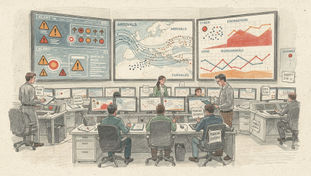
The commentary delivers a sobering security forecast for 2026 and makes one thing clear – Europe is entering a year of elevated danger with little margin for error. Conflict risks are multiplying on Europe’s borders and beyond, while the EU’s ability to shape events remains limited. The piece argues that this is no longer about isolated crises. It is about a crowded threat landscape where several conflicts could escalate at once and stretch Europe’s attention, resources and unity.
Europe’s Clean Tech Trap: China Builds, Europe Watches
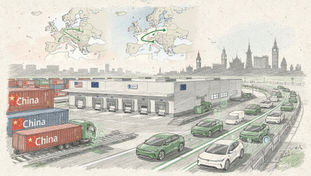
The analysis exposes an uncomfortable truth behind Europe’s green ambitions – the clean tech transition is increasingly being powered, shaped and captured by Chinese joint ventures on European soil. What is sold as cooperation and investment masks a deeper loss of control. The piece argues that Europe is repeating an old mistake: welcoming foreign capital to fix industrial weakness, then realising too late who owns the future.