
World Center for Strategic Studies
From closed analysis to public debate
POPULAR
- MONTH
- YEAR

The Big Losers of 2024: Europe Slips, Others Pay the Price
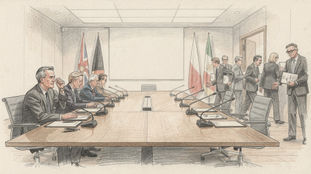
The commentary delivers a blunt scorecard of 2024 and it makes grim reading for Europe. Britain and Germany land firmly on the losers’ list, not because of bad luck but because of political weakness, strategic confusion and self-inflicted paralysis. The piece argues that while global shocks kept coming, Europe’s leading powers responded late, cautiously or not at all – and the costs are now clear.
Europe’s Care Time Bomb: Ageing Crisis Nobody Wants to Pay For

The brief sounds the alarm on a slow-burning disaster creeping across Europe’s welfare states – a looming surge in long-term care needs that governments are nowhere near ready to handle. As populations age fast and families shrink, demand for care is set to explode. The paper makes clear that this is not a distant worry. It is a predictable crisis already locked in, with Europe dragging its feet.
AI Under Siege: Russian Propaganda Slips Into the Machines
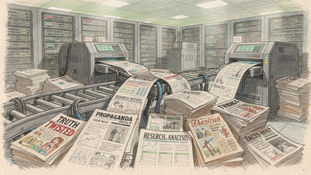
Europe is walking into the AI age with its guard down.
This CEPA analysis warns that Russian propaganda is finding its way into AI chatbots, quietly shaping answers, narratives and perceptions.
These systems learn from open data polluted by disinformation, state-backed media and manipulated content.
Once trained, they repeat distortions at scale, with no intent and no context.
The danger is blunt: Europe risks automating lies faster than it can correct them.
Europe’s Ukraine Wake-Up Call: Four Years, Ten Painful Lessons
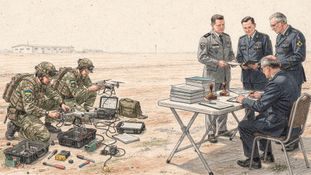
Four years into Russia’s war against Ukraine, Europe still looks like a slow learner.
This RUSI commentary distils ten hard lessons from the conflict – and most of them point to European weakness, delay and dangerous self-deception.
The war has exposed how unprepared Europe was for high-intensity conflict and how dependent it remains on others to sustain one.
Adaptation has happened, but late, unevenly and often under pressure from events rather than strategy.
Europe's Underestimated Weak Spot: Financial Dependence on the US
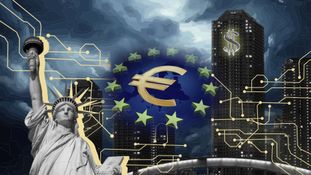
The European Union Institute for Security Studies has published on its web site the article “Financial dependence on the US: Europe's underestimated weak spot” by Steven Everts describing current transformation of global finances.
Sovereignty Sales Pitch: Europe’s Freedom Comes With a Catch
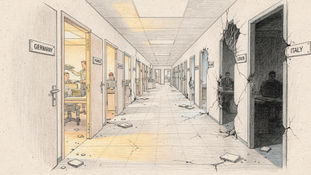
Europe is being told that more sovereignty will make it freer, stronger and better for the West.
This Heritage Foundation argument claims that a Europe built on national control rather than Brussels micromanagement would be more dynamic, more democratic and a better partner for the US.
The promise sounds neat – less regulation, tougher borders, sharper economic policy.
EU Off Course: Big Promises Abroad, Mess at Home
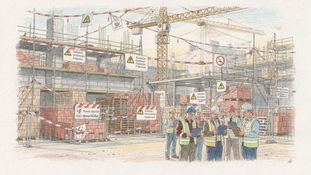
Europe is trying to run before it can walk – and it’s starting to trip.
This CIDOB review asks a blunt question: has the EU lost its sense of direction by chasing global influence while its own foundations remain unfinished?
Brussels wants to be a climate leader, a geopolitical player and an economic heavyweight all at once.
But internal reforms lag, compromises pile up and delivery keeps slipping.
The result is a widening gap between what the EU says it can do and what it actually controls.
Germany’s Pessimism Trap: Fear Is Becoming Policy
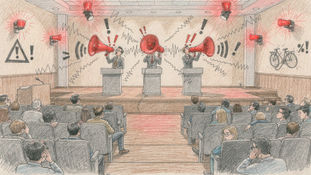
Germany is talking itself into paralysis.
This IP Quarterly examination argues that a deepening culture of pessimism is now shaping German politics, economics and security choices – and not for the better.
Public debate is dominated by decline narratives, threat inflation and a belief that everything is getting worse at once.
Nihilist Violence Spreads: Europe Faces a New, Harder Threat

Europe is confronting a darker kind of violence – and it does not fit the old playbooks.
This Konrad Adenauer Foundation study examines the rise of nihilistic violence, a form of brutality driven less by ideology and more by alienation, rage and the desire for destruction itself.
Unlike classic extremism, this violence is harder to track, harder to deter and harder to explain.
Europe Without a Plan: Strategic Globalisation Exposes the EU

This RAND assessment argues that globalisation is no longer about free trade and open flows, but about power, leverage and control – and the EU is unprepared.
Supply chains are being weaponised, markets are politicised and states now trade security for efficiency.
Europe, by contrast, still behaves as if rules alone can protect it.
The result is a bloc exposed to shocks it cannot shape and pressures it struggles to resist.