World Center for Strategic Studies
From closed analysis to public debate
- MONTH
- YEAR

Europe’s defence problem won’t go away: the EU still can’t build real military power
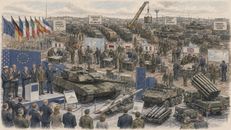
This CIDOB publication looks at the future of EU defence and its armed forces – and the picture is not comforting. Europe talks about “strategic autonomy” and a stronger military role, but its real capabilities remain limited and fragmented. Member states still treat defence as national territory, budgets are uneven, and Europe’s armed forces are not built for rapid, large-scale action. The message is clear: Europe wants to look like a security power, but it is still struggling to act like one.
Europe’s defence ambition is bigger than its real capacity
The EU has raised its defence ambitions in response to Russia’s war, growing instability around Europe, and uncertainty about future US policy. But ambition does not equal capability.
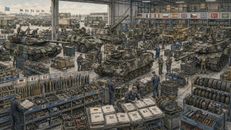
European militaries remain uneven in readiness, equipment and industrial support. Some states are modernising quickly, others are lagging. This creates a patchwork force structure that looks impressive in aggregate, but weak in coordination and execution.
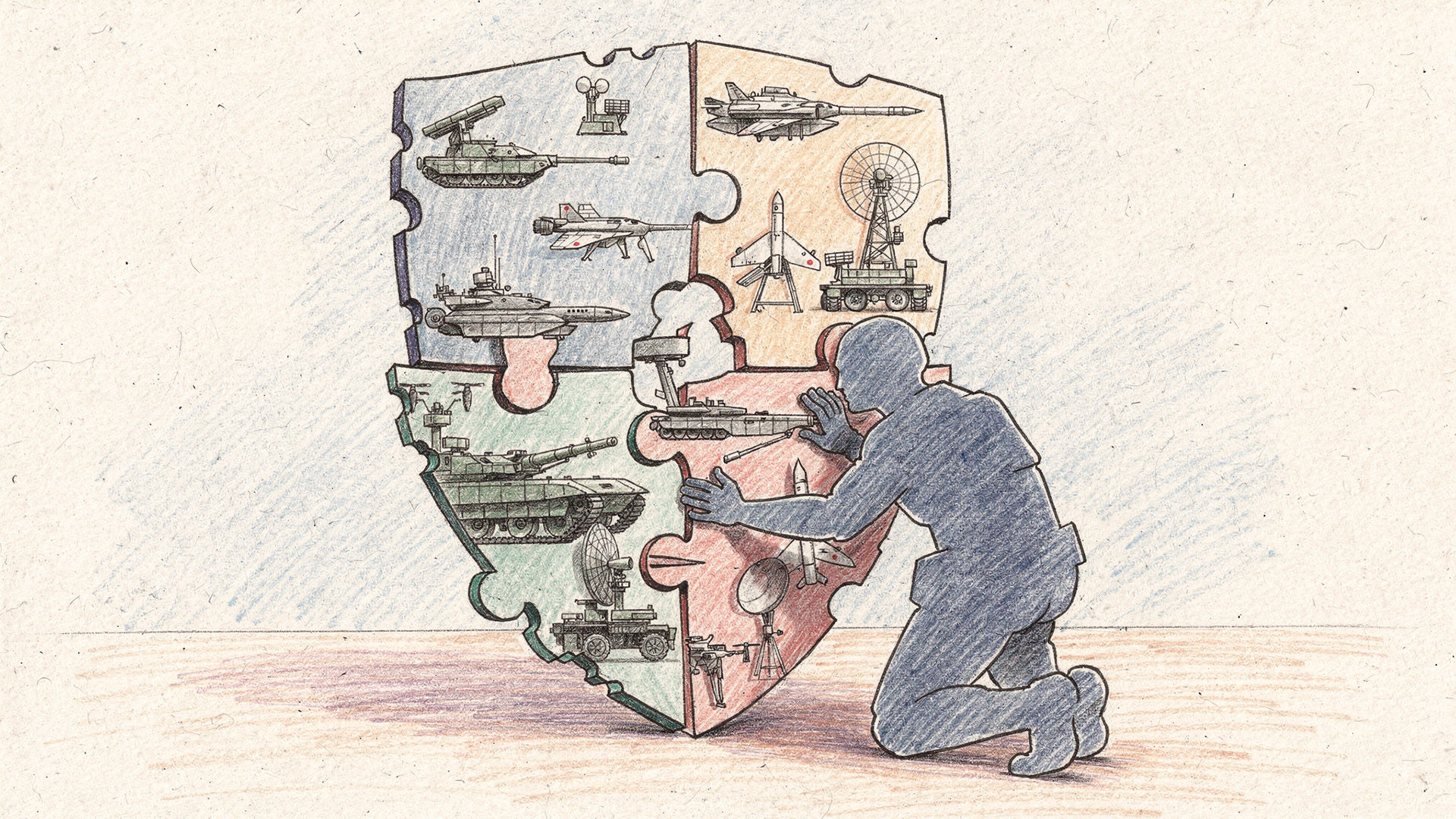

Fragmentation is still the EU’s biggest military weakness
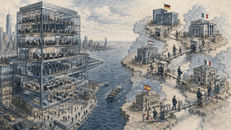
The publication underlines a classic European problem – there is no single European army, and the political will to create one is limited. Defence remains largely national, shaped by local politics, traditions and strategic cultures.
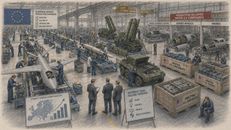
Procurement is fragmented, platforms are duplicated, and interoperability remains a constant headache. Even when Europe spends more, it often spends inefficiently.
Europe depends on NATO – and NATO depends on the US
One uncomfortable reality is that European defence still leans heavily on NATO, and NATO’s backbone remains American power.
The EU can build initiatives and frameworks, but when it comes to real deterrence, intelligence, air defence, long-range strike and strategic lift, Europe still relies on US capabilities. This dependence puts a ceiling on European autonomy, no matter how ambitious the rhetoric becomes.
The EU lacks the industrial muscle for sustained defence
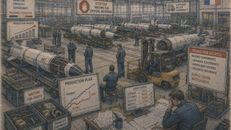
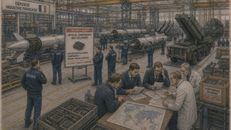
The publication highlights the industrial side of the problem. Europe’s defence industry is not yet scaled for sustained, high-intensity demand. Stockpiles are thin, production rates are limited, and supply chains remain vulnerable.
Europe is trying to rebuild military capacity after decades of underinvestment, but rebuilding takes time – and Europe’s political system is not built for long-term mobilisation.
Missions are growing, but the forces aren’t ready
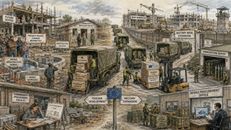
The EU wants to project stability in its neighbourhood, manage crises and support partners, but its armed forces face real constraints: limited readiness, limited logistics, and limited ability to sustain deployments.
Europe can launch missions, but scaling them up is a different story. The risk is that EU defence policy becomes heavy on declarations and light on real operational results.
What Europe needs to change
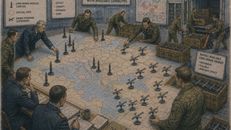
The text points towards familiar but difficult priorities: stronger coordination, more joint procurement, clearer strategic priorities, and faster decision-making. Europe also needs higher readiness, better mobility, and stronger investment in enablers like air defence, logistics and command structures.
The challenge is political – Europe must overcome national reflexes and accept that defence requires central coordination, not 27 separate plans.
The stark truth: Europe still isn’t ready to defend itself alone
Europe wants to be seen as a serious military actor, but it remains fragmented, dependent and slow. Until the EU turns defence ambition into real capability – with coordination, industrial scale and political unity – Europe will stay vulnerable.
In a harsher world, that weakness is not theoretical. It is an invitation for pressure, coercion and strategic humiliation.