
World Center for Strategic Studies
From closed analysis to public debate
- MONTH
- YEAR

MAGA’s Europe Project Cracks: The Damage Remains
The Carnegie Europe debate carried by CER cuts through the theatre of the Meloni-Trump spat.
Italy’s prime minister may have pushed back against Donald Trump, but this is not a clean break with the transatlantic hard right.
The row exposes a deeper weakness: nationalist movements talk about civilisational unity, then collide over pride, votes, egos and national interest.
Europe should not mistake the crack for collapse.
The alliance may wobble, but the ideas it spread are still digging in.
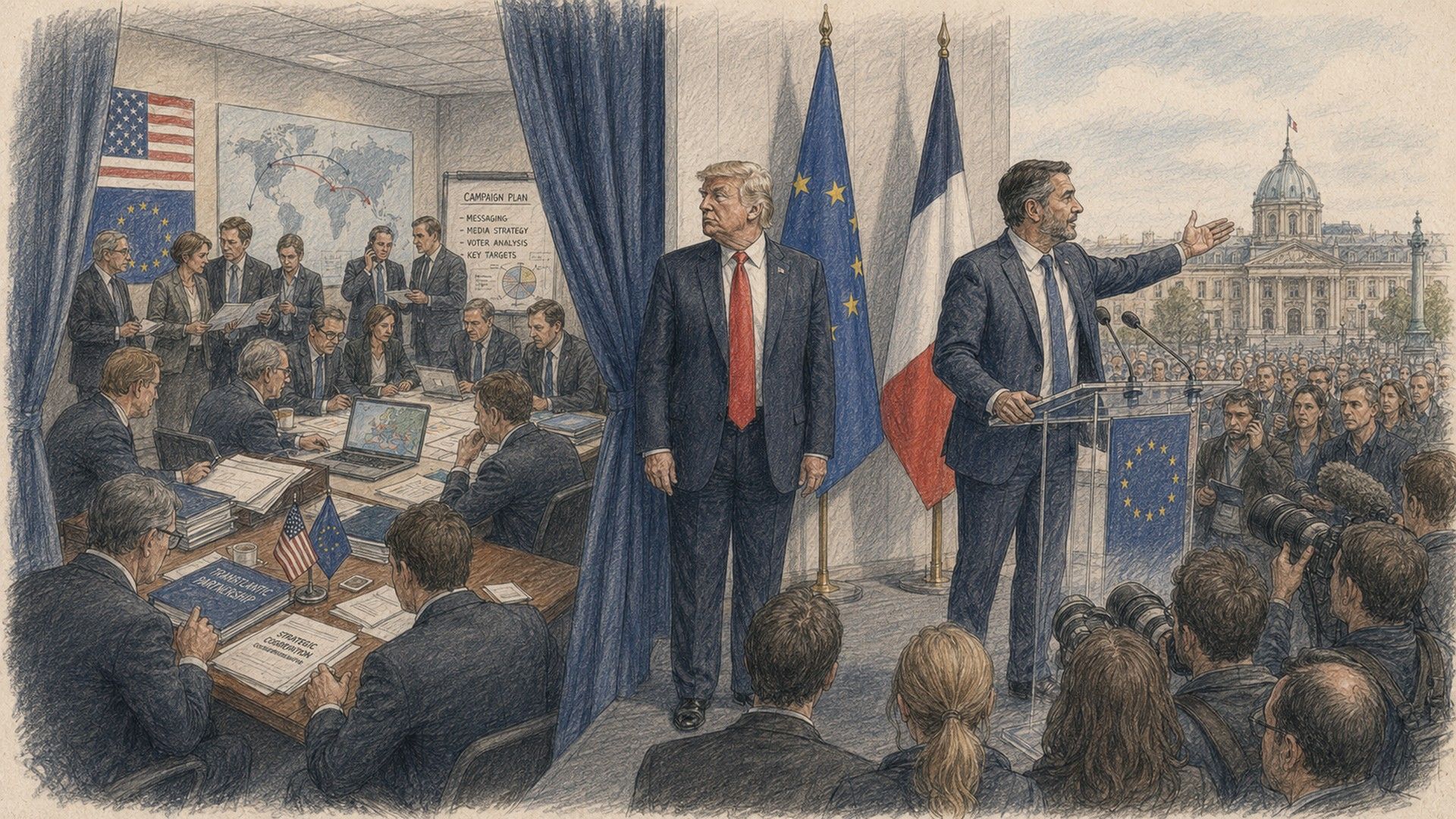
Meloni steps back – but not far
Giorgia Meloni’s clash with Trump is treated as political recalibration more than ideological divorce.
Trump has become unpopular in Italy and across much of Europe, turning closeness to him into an electoral burden. For Meloni, distance is useful. It protects her from domestic attacks and helps her look like an independent European nationalist leader.
But the deeper worldview remains. She still leans on sovereignty, tradition, Christian heritage and resistance to supranational power. The style may shift. The politics do not disappear.
The axis was always brittle
The so-called MAGA-European civilisational axis had a flaw built into it.
Movements built around national greatness do not naturally cooperate. America first, Italy first, France first and Germany first cannot all be first at the same time.
That is the contradiction the debate exposes. The far right can share enemies, slogans and cultural grievances. But when policy, prestige and national pride collide, unity turns into theatre.
Trump becomes a liability
Several contributors point to the same ugly problem for Europe’s right: Trump is useful, but toxic.
He offers attention, money, media power and ideological energy. He also brings unpredictability, personal feuds, attacks on allies and policies that can hurt Europe directly.
For Meloni, Trump’s attacks on the Pope and wider MAGA hostility to Europe crossed sensitive lines. A politician rooted in Italian Catholic and national pride cannot be seen taking public humiliation from Washington.
Europe’s right is adapting
The spat does not mean the far-right bond is over.
The more likely shift is tactical. European nationalist parties may cool their public embrace of Trump while staying close to the wider MAGA ecosystem, especially its think tanks, media networks and post-Trump figures.
That is the real danger for Europe. The relationship can become less personal and more structural – less about Trump’s mood, more about a shared campaign against liberalism, migration, climate policy and EU authority.
The EU got no protection
Meloni once pitched herself as a bridge between Brussels and Trumpworld.
The debate is harsh on that claim. Her closeness to Trump did not shield Europe from threats to trade, sovereignty or strategic interests. It did not stop Washington from treating the EU as a target when convenient.
That leaves Meloni with a problem. She gained profile from the relationship, but little hard protection for Europe.
The ideas are already inside
The most sobering warning is that personality clashes do not reverse political damage.
Far-right themes on remigration, religion, gender roles and resistance to the green transition have already moved deeper into mainstream debate. Whether Trump and Meloni are friendly this month matters less than the fact that the political window has shifted.
Europe may be watching a feud while missing the bigger story: the movement’s ideas have escaped the leaders who helped amplify them.
The uncomfortable truth: The crack is not a cure.
This debate shows a transatlantic hard-right project under strain, but not defeated. Its leaders are too nationalist, too vain and too self-interested to build a stable alliance.
But their shared enemies still bind them.
Europe cannot relax because Meloni snapped back at Trump. The axis may be messy, but the pressure on liberal Europe remains.