World Center for Strategic Studies
From closed analysis to public debate
- MONTH
- YEAR

Europe’s Energy Trap: Clean Power, Dirty Dependence
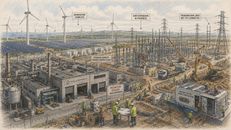
Geopolitical Futures’ graphic shows the energy transition turning into a hard geopolitical race.
Clean energy is now pulling in almost twice as much global investment as fossil fuels, but this is not a neat green victory lap.
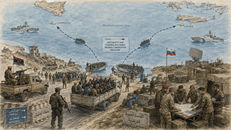
It is a scramble for security after war, shocks and the closure of the Strait of Hormuz exposed how fragile energy systems still are.
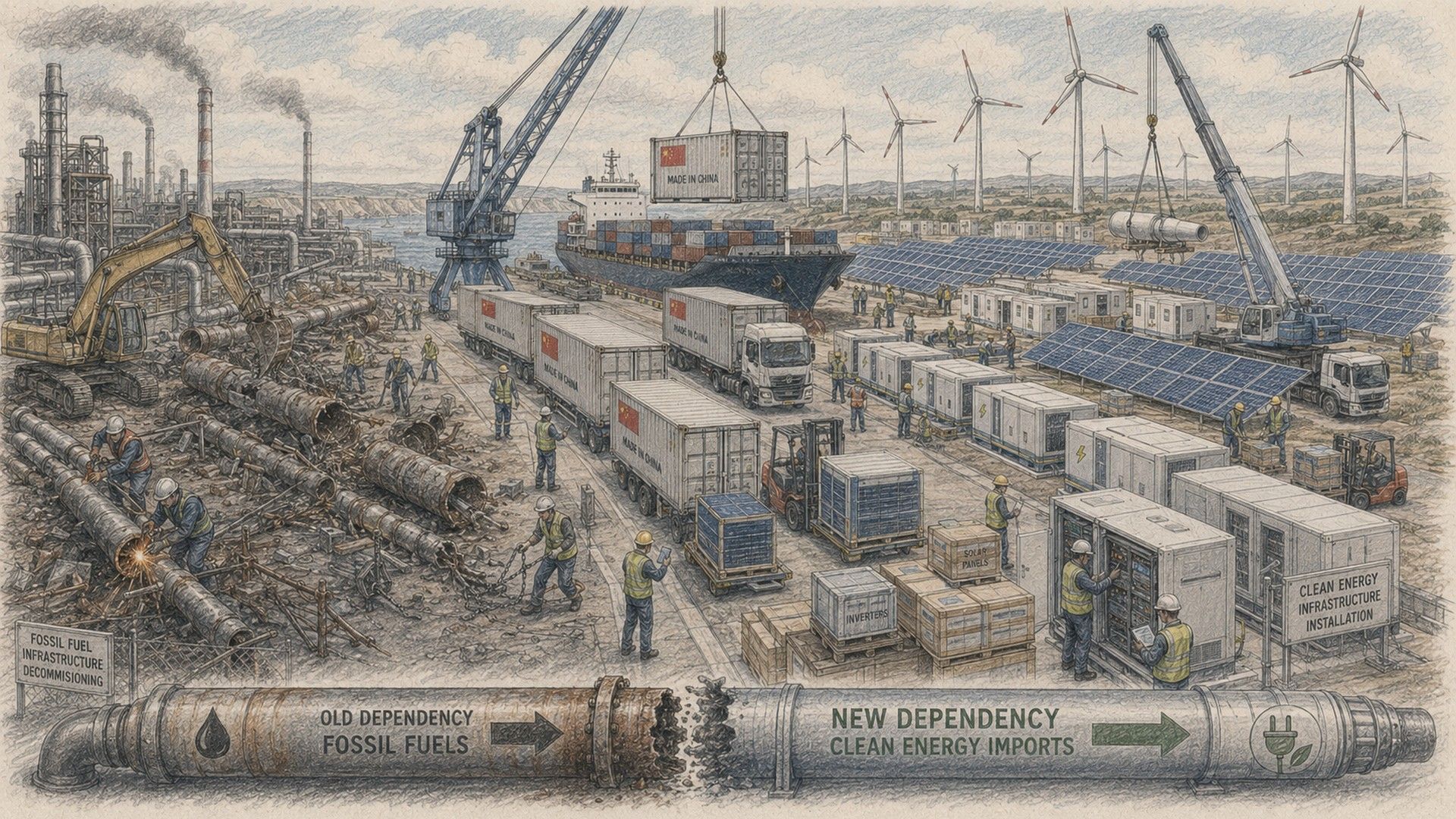
For Europe, the danger is blunt: it may escape Russian gas and Middle Eastern disruption only to fall into a new dependence on Chinese clean-tech supply chains.
Clean energy wins the money race
Global energy investment is expected to reach around $3.4 trillion in 2026, with roughly $2.2 trillion going into clean energy.
That sounds like momentum. But the driver is not just climate ambition. It is fear.
States are spending because energy has become a national security weapon. Supply shocks, war risk and chokepoints have made governments realise that cheap energy is useless if rivals can choke it off.
China sets the pace
China remains the biggest national investor in clean energy, and that gives Beijing a ruthless advantage.
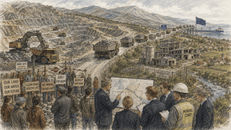
Its industrial base already dominates key parts of the sector: solar, wind, batteries, electric vehicles and smart grid technology. China is not just building for itself. It is exporting clean-energy systems into the Global South and turning industrial scale into geopolitical reach.
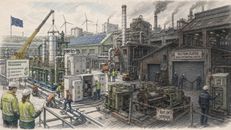
That leaves Europe staring at the same old problem in a new form: dependence on somebody else’s machinery.
Europe tries to dodge the next trap
For Europe, the race is especially unforgiving.
The continent has spent years trying to reduce fossil-fuel dependence after Russia’s war in Ukraine shattered old energy assumptions. Now the Iran war and the Strait of Hormuz crisis underline how dangerous Middle Eastern exposure still is.
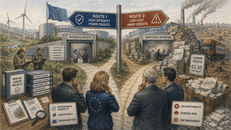
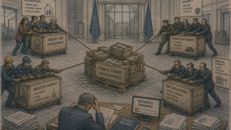
But the fix carries its own risk. If Europe cuts fossil dependence while relying on Chinese batteries, panels, grids and supply chains, it has not gained full security. It has merely changed the supplier.
America plays both sides
The United States is moving differently.
Private industry is driving much of America’s clean-energy investment, while the government is also expanding fossil-fuel extraction and permitting. That gives Washington flexibility Europe lacks: more renewables, more domestic fossil output and more room to manoeuvre.
Europe’s position is tighter. It needs cleaner energy, cheaper energy and strategic independence at the same time. That is a brutal mix.
The Global South gets left behind
The imbalance is stark.
Advanced economies, China and the Asia-Pacific region dominate clean-energy flows. Many emerging and developing economies, especially in Africa, still see more money going into fossil fuels and basic energy access.
This is not because they missed the memo. It is because financing is harder, grids are weaker and immediate energy needs are more urgent.
That gap matters for Europe too. If poorer regions remain locked out of clean-energy investment, instability, migration pressure and geopolitical competition will not disappear.
Security beats slogans
The graphic’s wider message is that the world is not simply moving from fossil fuels to clean energy.
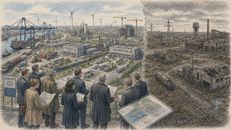
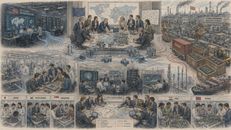
It is moving from one dependency battle to another. Oil, gas, minerals, grids, batteries, shipping routes, finance and technology are all becoming part of the same contest.
Europe cannot afford to treat energy transition as a climate file alone. It is now industrial policy, foreign policy and survival policy.
The reality check: Energy security now decides geopolitical power.
Europe’s problem is not that it lacks ambition. It is that ambition keeps running into dependency, cost and industrial weakness.
Clean energy may reduce exposure to fossil shocks, but it will not automatically give Europe control. Without its own supply chains, factories, grids and financing muscle, the continent will remain vulnerable.
The fuel may change. The leverage problem stays.