World Center for Strategic Studies
From closed analysis to public debate
- MONTH
- YEAR

Europe’s Rearmament Trap: NATO Builds Its Defences While Western Influence Retreats
Europe is pouring resources into military rearmament, but a dangerous gap is opening beyond NATO’s borders. A RIEAS analysis warns that Washington’s dismantling of USAID is weakening Western influence across Africa, Asia and fragile states just as China and Russia expand their presence. European governments are responding to insecurity with bigger defence budgets, renewed conscription debates and military-industrial investment, yet they still lack a coherent strategy for preventing crises abroad. The risk is that Europe becomes better armed but less capable of shaping the instability that threatens its security.
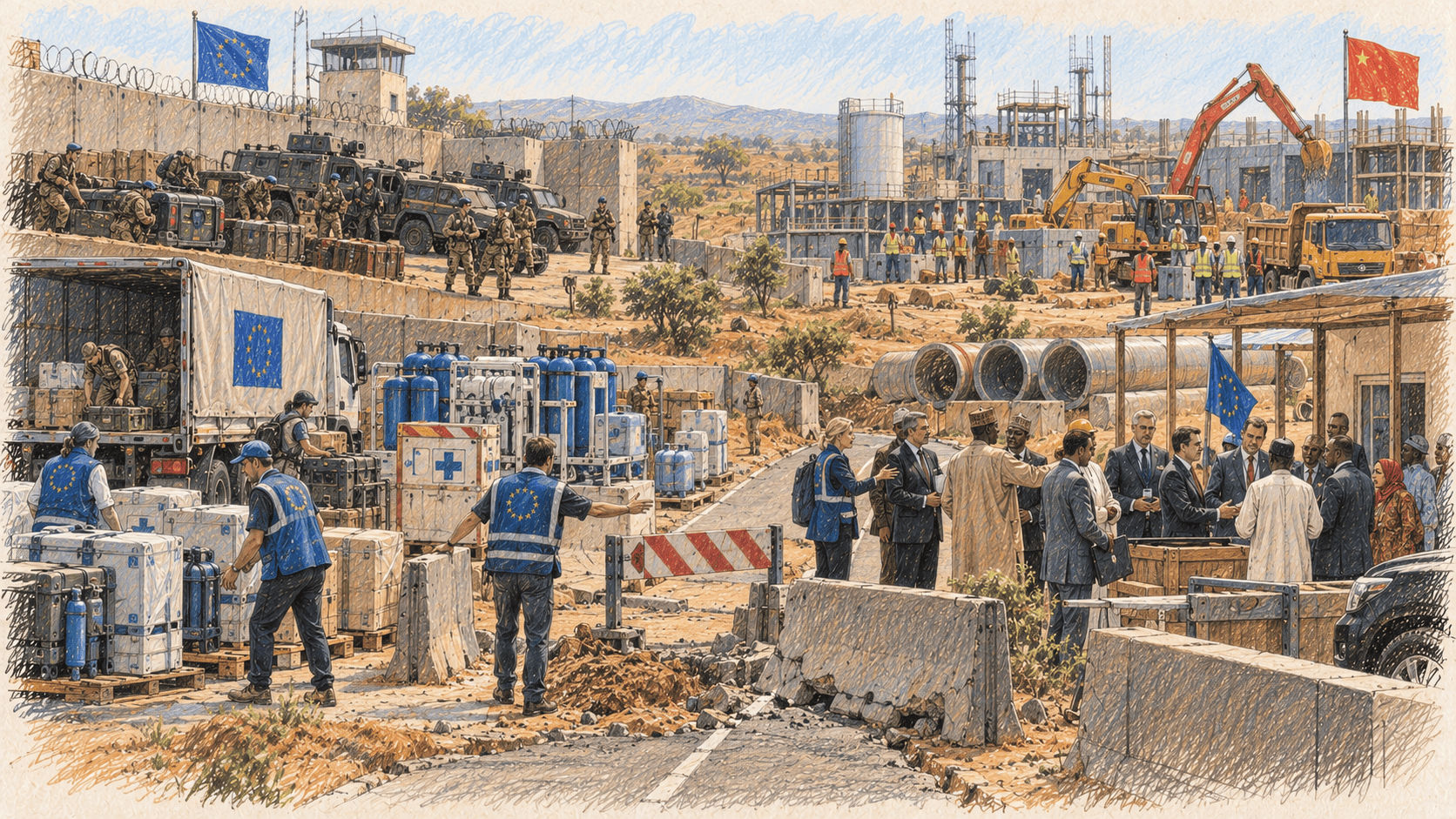
Europe is looking inward as its neighbourhood unravels
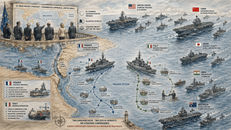
Russia’s war against Ukraine and uncertainty over American commitments have made European rearmament unavoidable. But the authors argue that military expansion is advancing without a shared strategic doctrine connecting defence capabilities to wider foreign-policy objectives.
Meanwhile, the stabilisation structures Europe once supported beyond its borders are fragmenting. Governments concentrating exclusively on territorial defence risk overlooking crises that could eventually reach Europe through conflict, displacement and economic disruption.
The Sahel exposes Europe’s retreat
Africa offers a warning of what happens when security engagement loses political credibility.
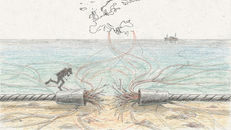
After years of European military training, counterterrorism cooperation, border management and development programmes, several missions in the Sahel have been closed, restricted or expelled. Governments have turned towards alternative partners, while European demands for governance reforms have lost influence.
The authors warn that further instability could intensify migration pressures and political tensions inside Europe. The continent is geographically closer to these crises than the United States, making disengagement particularly costly.
USAID’s collapse leaves a strategic vacuum
The dismantling of USAID has removed a major pillar of Western engagement in fragile regions.
American development programmes helped sustain healthcare, conflict prevention and diplomatic relationships, including in areas where Europe maintained only a limited presence.
But the analysis rejects simply replacing American assistance with larger European aid budgets. Traditional development models have lost credibility among many partner governments, and restoring them unchanged would reproduce existing weaknesses.
China is offering what Europe struggles to deliver
The competition is increasingly about economic opportunity rather than Western-style conditional assistance.
China and Japan have used investment, infrastructure, market access and financial partnerships to build lasting relationships. Europe possesses comparable institutions and resources but has struggled to deploy them through a coordinated strategy.
The authors also challenge Europe's increasingly confrontational approach towards China. They argue for pragmatic cooperation where interests overlap, while maintaining European strengths in institutional reliability and respect for partner countries.
Defence, diplomacy and development remain disconnected
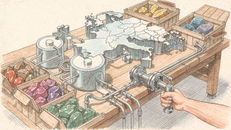
Europe’s external policies still operate through separate budgets, institutions and political priorities.
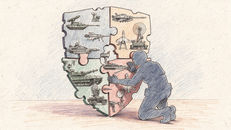
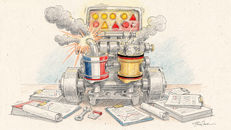
Military investment cannot compensate for weak diplomatic relationships or the absence of long-term economic partnerships. The authors call for an integrated strategy linking defence, development investment and diplomacy rather than treating them as competing priorities.
That would require abandoning the assumption that security spending produces stability on its own.
Africa needs investment, not another lecture
The proposed alternative begins with healthcare, climate resilience and disaster preparedness – areas where European investment could support stability while creating opportunities for European industries.
In Africa and the Sahel, the authors favour economic partnerships over an excessive focus on security-sector reform. They also urge Europe to accept that African governments will maintain relationships with several competing powers rather than align exclusively with Brussels.
Nordic countries and Britain could join European investment initiatives, helping develop markets, strengthen supply chains and rebuild influence through mutually beneficial cooperation.
The big warning: More weapons cannot replace lost global influence
RIEAS argues that Europe must strengthen military deterrence without abandoning the economic and diplomatic relationships that help prevent instability.
The collapse of American development engagement offers Europe an opportunity to redefine its international role, but only if it abandons outdated aid practices and offers credible long-term partnerships.
Otherwise, NATO could emerge militarily stronger while Europe loses ground in the regions where tomorrow’s security crises are already taking shape.