
World Center for Strategic Studies
From closed analysis to public debate
POPULAR
- MONTH
- YEAR

Europe’s Ageing Trap: Fewer Workers, Bigger Bills, No Easy Fix
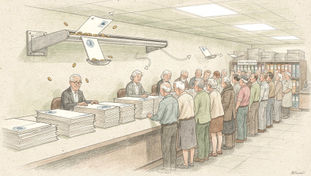
Europe is getting older, poorer in workers and heavier with promises it cannot easily pay. This working paper lays out the cold arithmetic behind ageing populations, migration policy and ballooning pension costs. The tone is technical, but the message is grim: demographic decline is already dragging on growth, and policy choices so far barely scratch the surface.
Values Under Pressure: Europe’s Rules Look Weak When Tested
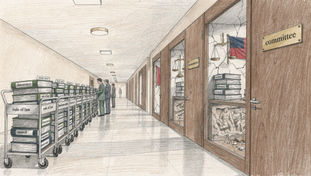
Europe likes to preach values. This report shows how hard it is to enforce them. When member states push back on democracy, rule of law and fundamental rights, the EU’s response is slow, legalistic and often ineffective. The problem is not lack of principles, but lack of power to defend them.
Europe’s Wind Weakness: China Moves In, Denmark Feels the Chill
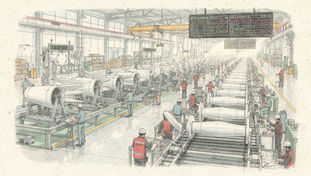
Europe’s green pride is under pressure, and this analysis shows why. China is closing the gap in wind power fast, undercutting prices, scaling production and eyeing global markets Europe once dominated. Denmark and its neighbours built the industry. Now they risk losing control of it.
Europe’s Geopolitical Bill Comes Due: Growth, Trade and Stability at Risk
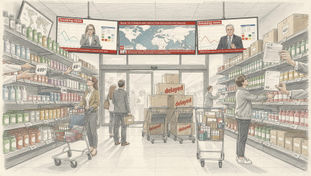
Global politics has turned hostile, and Europe is paying the price. This report lays out how wars, great-power rivalry and economic fragmentation are colliding with Europe’s weak growth, high debt and fragile politics. The message is restrained but unforgiving: the shocks are real, the buffers are thin, and the room for error is shrinking.
Europe Squeezed: Trapped Between Washington and Beijing
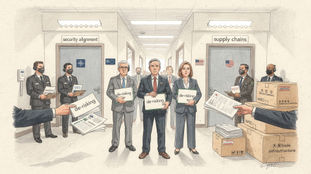
Europe likes to talk about balance. This analysis shows a continent losing it. As rivalry between the United States and China hardens, Europe is being pulled apart by its own dependence, hesitation and fear of choosing sides. The space for comfortable neutrality is shrinking fast.
France in Paralysis: Power Collapses, Problems Pile Up
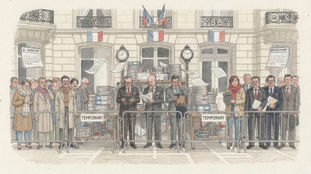
France is stuck in a political traffic jam, and nobody has a clear way out. This analysis shows how the fall of the government has tipped the country into a dangerous stalemate, with weak leadership, blocked institutions and urgent decisions kicked down the road. At a moment of budget strain, social tension and international pressure, Paris is burning time it no longer has.
France on the World Stage: Big Ambitions, Shrinking Room to Act
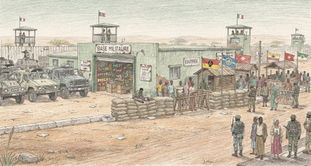
The commentary takes stock of France’s position abroad and finds a country still desperate to look like a global power, but increasingly constrained by reality. Paris talks confidently about leadership, autonomy and influence.