
World Center for Strategic Studies
From closed analysis to public debate
POPULAR
- MONTH
- YEAR

Watching China, Missing the Point: Europe’s January Reality Check

The commentary surveys Europe’s China debate at the start of 2026 and delivers an uneasy conclusion – Brussels is watching closely, but still reacting late. Europe tracks Beijing’s moves with growing concern, yet struggles to turn observation into strategy. The piece argues that while awareness has improved, control has not. Europe knows the risks. It just hasn’t decided what it is willing to sacrifice to reduce them.
EU Trade Fiasco: How Brussels Lost Control of the Response
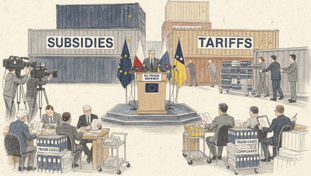
The analysis tears into the EU’s handling of trade policy and finds a familiar pattern of overconfidence followed by underdelivery. Faced with a tougher global trade environment, Brussels talked up strategic autonomy and defensive tools. What it delivered instead was delay, confusion and diluted action. The piece argues that Europe did not just struggle to respond – it actively mishandled the moment.
Venezuela’s Oil Comeback: Why Germany Gets the Short End

The analysis takes apart the quiet return of Venezuelan oil to global markets and shows why this matters far beyond Latin America. What looks like a technical energy adjustment is, in reality, a geopolitical win for the United States and a reminder of Europe’s shrinking leverage. The paper argues that Germany, in particular, is watching others reshape energy flows while having little influence over the outcome.
Europe’s Gas Illusion: Trading Russian Dependence for American Risk
.jpg?tr=cm-pad_resize,w-311)
The analysis tears into Europe’s comforting story about gas diversification and exposes a harsher truth – dependence has not disappeared, it has simply changed shape. Russian pipeline gas is out, US LNG is in, and Europe is congratulating itself far too early. The paper argues that what looks like resilience is actually selective blindness to new vulnerabilities quietly piling up.
Europe vs Trump 2.0: The Comfort Zone Is Gone

The analysis lays out a stark scenario Europe has spent years hoping to avoid. A second Trump presidency would not just test transatlantic ties – it would rip away Europe’s remaining illusions about security, economics and self-reliance. The piece argues that Europe is dangerously underprepared for a United States that demands payment, loyalty and results, not gratitude or shared values.
Germany’s Fiscal Straitjacket: Rules That No Longer Fit

The analysis zeroes in on Germany’s growing fiscal bind and delivers an uncomfortable message – the rules that once guaranteed stability now risk locking the country into stagnation. Berlin faces huge investment needs in defence, infrastructure and climate transition, yet remains hemmed in by strict budget constraints. The piece argues that Germany is stuck between discipline and decay, and the longer it hesitates, the higher the price.
Merz’s Debt Bet: Germany Flirts With Fiscal Trouble
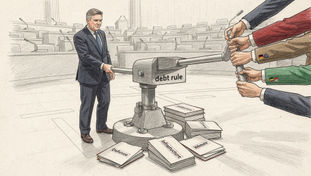
The analysis takes a hard look at Friedrich Merz’s openness to bending Germany’s debt rules and finds a risky gamble hiding behind pragmatism. What is sold as flexibility to fund priorities could quickly become a credibility problem for Berlin and a headache for Europe. The piece argues that once Germany starts loosening the brakes, it may struggle to control the slide.