World Center for Strategic Studies
From closed analysis to public debate

- MONTH
- YEAR

Europe is sliding into economic trouble: and the US will feel the pain too
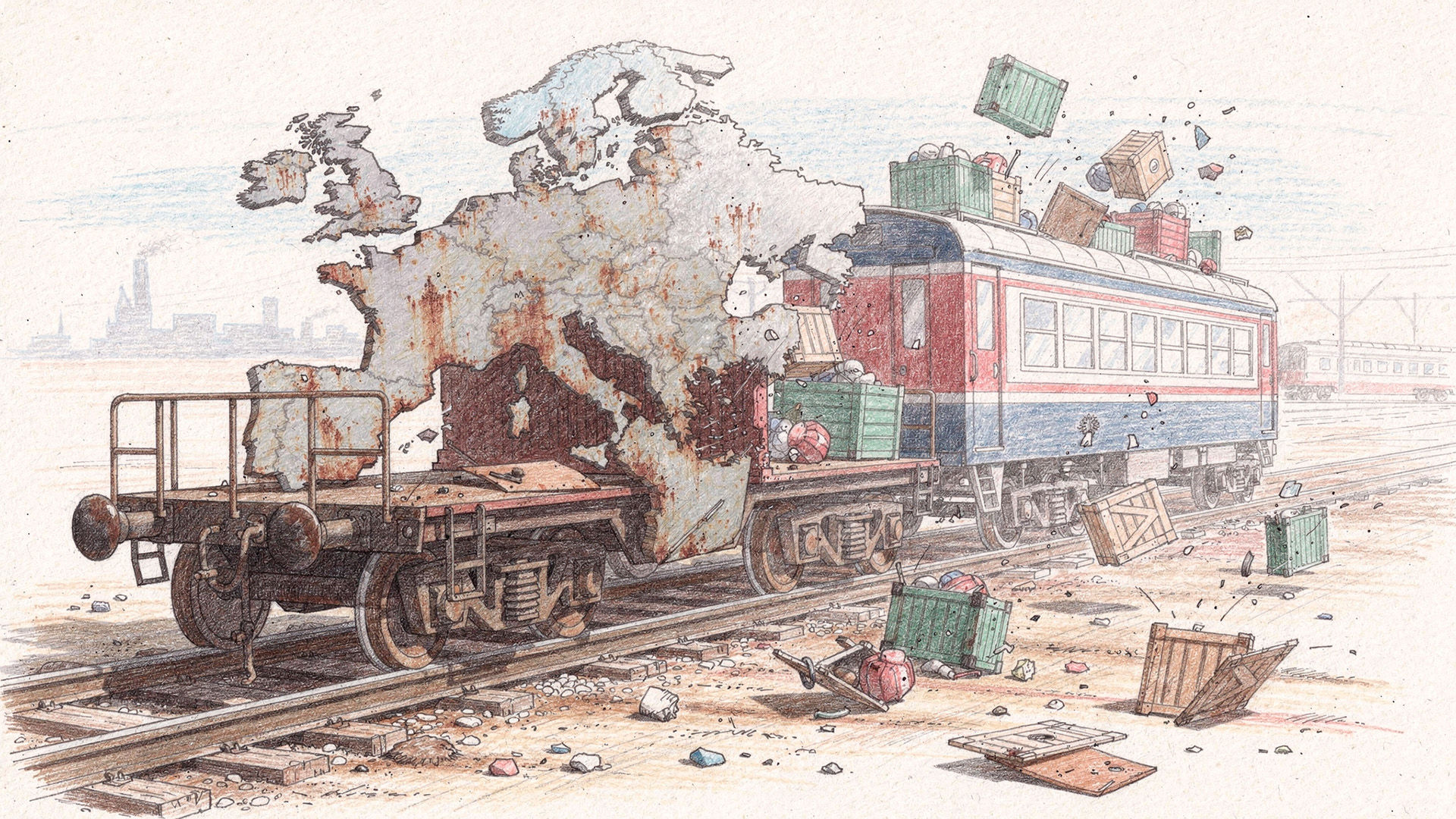
This AEI analysis argues Europe’s economic slowdown is not just Europe’s problem – it is a growing risk for the United States as well. A weaker Europe means weaker demand, less innovation, more political instability, and a less capable security partner. The author’s point is blunt: Europe is underperforming, falling behind the US in growth and productivity, and if this trend continues it will hurt American interests. Europe is supposed to be the US’s strongest ally. Right now, it looks like a drag.
Europe is stuck in low growth and it’s getting worse
The text highlights Europe’s long-running economic stagnation: weak productivity, sluggish investment, slow technology adoption, and structural rigidities.
Compared with the US, Europe’s economy looks less dynamic and less capable of generating innovation-led growth. The risk is not a temporary dip – it is a sustained decline in competitiveness.

A weaker Europe means a weaker ally
For Washington, Europe’s slowdown creates strategic headaches. If Europe’s economy weakens, its ability to fund defence, sustain aid to Ukraine, and contribute to NATO declines.
The US ends up carrying more of the burden – militarily and financially. The author frames Europe’s economic health as a core pillar of the transatlantic alliance, not a separate issue.
Europe’s decline fuels political instability
The analysis suggests economic weakness is already feeding political volatility in Europe: populist pressures, fragmented coalitions, voter anger, and resistance to reforms.
This instability matters for the US because it makes European policy less predictable and reduces Europe’s ability to act decisively on major issues like security, China policy, and industrial strategy.
America also pays an economic price
Europe is one of the US’s biggest economic partners. When Europe slows, American exporters feel it. Investment ties weaken. Global growth becomes less resilient.
The argument is that Europe’s stagnation is a negative shock to the broader Western economic ecosystem. A weaker Europe reduces the overall weight of the democratic economic bloc.
Why Europe is falling behind
The author points to familiar factors: demographic decline, overregulation, slower innovation, rigid labour markets, weaker capital markets, and political resistance to tough reforms.
Europe is not short of smart people or industrial history – it is short of economic flexibility and risk-taking. In a world where growth is powered by technology and investment, Europe is playing too cautiously.
What the US should want – and push for
The analysis implies that Washington has an interest in Europe reforming and investing more aggressively. That includes deeper capital markets, more tech competitiveness, fewer barriers to innovation, and stronger defence-related industrial capacity.
It also means Europe must stop treating growth as optional. Without growth, everything else becomes harder: social stability, security spending, global influence.
The harsh takeaway: A weak Europe makes America weaker
Europe’s slowdown is not just a local European issue – it is a strategic liability for the US. If Europe keeps drifting into stagnation, Washington will face a less capable ally, a weaker economic partner, and a more unstable political landscape across the Atlantic.
In the long run, the US can’t lead the West with Europe stuck in economic decline.