
World Center for Strategic Studies
From closed analysis to public debate
POPULAR
- MONTH
- YEAR

EU trade chaos: how Europe is getting squeezed by the US and China
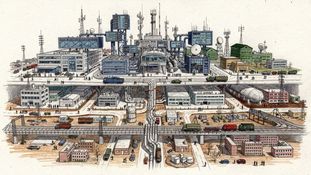
Europe likes to boast about its economic muscle, but behind the scenes the story is far grimmer. A new analysis from the Centre for European Reform shows the EU caught in a tightening vice, pushed around by America, undercut by China and paralysed by its own divisions. What Brussels calls “trade policy” increasingly looks like damage control.
Draghi’s warning still stands: Europe is drifting, divided, and falling behind
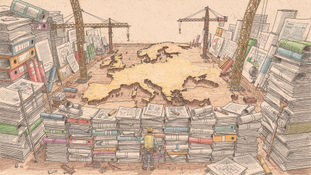
This final HCSS “Draghi Report Revisited” conclusion delivers a clear message – Europe has not fixed the problems Draghi highlighted, and in some areas it is slipping further back. The EU has launched initiatives, announced action plans and promised reforms, but the real gap remains: delivery is too slow, funding is too limited, and national politics still blocks a united strategy. The overall picture is gloomy. Europe faces tougher global competition, rising security threats, and a fragile economic base – yet it still struggles to act like a serious power.
Europe’s energy grid is a sitting duck: China could switch off the lights
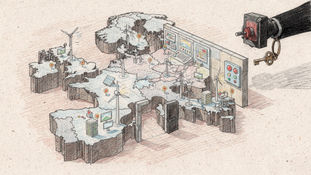
This ECFR analysis raises a frightening scenario Europe has not taken seriously enough – China could exploit hidden dependencies in Europe’s power system and trigger serious disruption, even without a conventional military conflict. As Europe electrifies its economy and pushes renewables, it is also importing critical hardware, software and components that can become strategic choke points. The warning is clear: Europe’s green transition is building a new vulnerability, and Beijing may have ways to weaponise it.
Europe is stuck in slow motion: EU inertia is becoming a serious threat
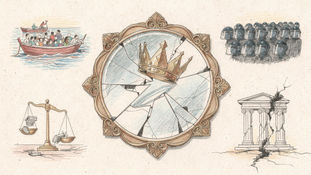
This ECFR article delivers a blunt warning – the EU is drifting into danger not because it lacks strategies, but because it lacks speed. From climate policy to defence readiness, Europe is moving too slowly to keep up with a world that has turned brutal and competitive. While rivals act fast and take risks, the EU debates, delays and waters things down. The core message is simple: Europe’s biggest enemy may not be Russia or China, but its own inertia.
Europe’s energy mess isn’t over: the EU is still paying the price for its own mistakes
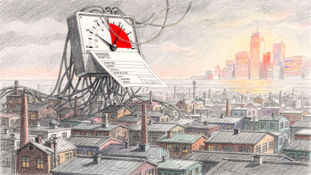
This HCSS “Draghi Report Revisited” piece warns that Europe’s energy crisis may have slipped out of the headlines, but the underlying weakness is still there – and it is costing the EU dearly. Europe has reduced its dependence on Russian gas, but it has replaced one vulnerability with several new ones: high prices, unstable supply routes, and a transition strategy that is politically fragile and economically expensive. The paper’s message is grim – without a tougher, more realistic energy strategy, Europe risks permanent loss of competitiveness.