World Center for Strategic Studies
From closed analysis to public debate

- MONTH
- YEAR

Tech Dependencies Undermine UK National Security Soft Power Without Leverage
A review made by Sophie Williams-Dunning for the RUSI and published in February 2026 deals with how dependence on Western technological platforms undermines Britain’s ability to counter foreign interference.
Britain has passed a number of laws to protect itself from foreign interference and expanded its secret services’ capability but suddenly found itself unable to enforce those new laws without the U.S. platform providers’ cooperation. Pressurized by the new US administration, X, Meta, and Cloudflare have ceased to be obedient conductors of London’s will. Britain’s national security has fallen hostage to U.S. private corporations, the author says. The mechanism used to run simply because London and Washington D.C. spoke a common language. Now Washington is speaking differently, and Britain has found it never had any influence of its own on the platforms. They had just pursued some shared interests.
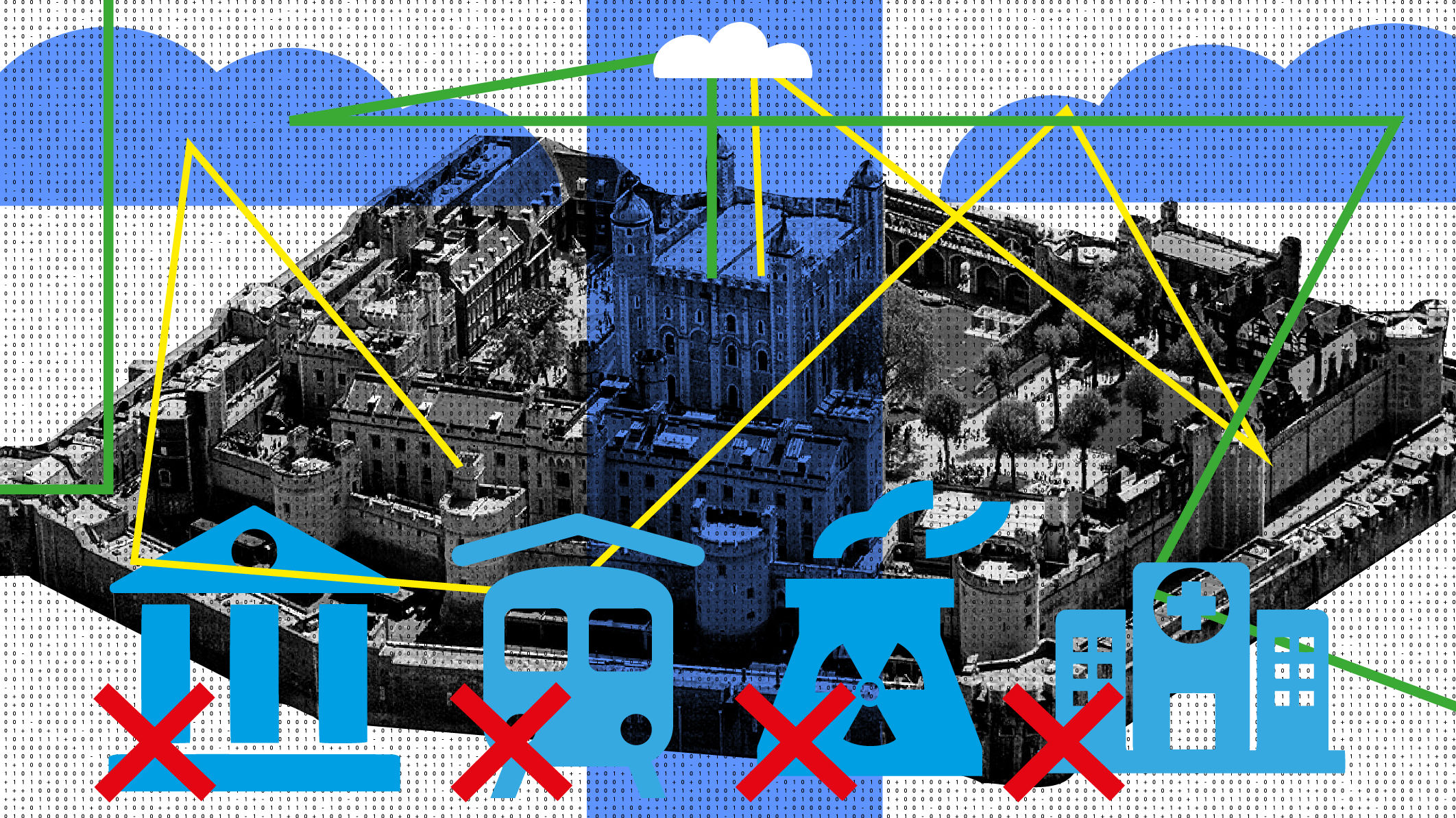
The report is based on two related stories. Britain succeeded in pressuring X into implementing a geoblock on the generation of deepfake sexual images but attracted censorship accusations from Elon Musk and threats of sanctions from a congresswoman. Almost simultaneously Italy fined Cloudflare EUR 14 million, but its CEO refused to cooperate, citing freedom of speech as the reason. The authors note the collapse of the takedown mechanism. In their opinion, the cause is that the fight against disinformation is now being used as a guise for suppressing dissent. Britain has criminalized foreign interference but can only catch perpetrators if so authorized by U.S. corporations.
The mechanism for removing inappropriate content from social media (takedown) used to work as the platforms themselves were interested to take part in the right campaigns, and not because Britain had some enforcement leverage. They would remove Russians, Iranians and inconvenient European politicians out of corporate convenience rather than love for democracy. Now their convenience has changed. The priorities now differ, and the match of interests is gone. The partnership ended as soon as the interests went apart. The RUSI review notes the authors’ finding that their national security has relied on foreign corporations’ goodwill that is now gone, and they can do nothing about it.
The RUSI report is notable for being symptomatic, rather than a revealing analysis. We see a document written by a losing party. The old transatlantic establishment that had been building a global censorship system for decades while pretending to fight for democracy has suddenly found its main assets controlled by other players. ‘New wave’ tech moguls need no legitimation from London or Brussels. They have platforms, algorithms, and audiences of their own and need no middlemen such as the British regulators. The RUSI panic betrays the élites’ main fear. They are not afraid of lies multiplying in Internet. Instead, they fear losing control of which lie will be considered dangerous or declared an official truth.