World Center for Strategic Studies
From closed analysis to public debate

- MONTH
- YEAR

France Wants to Send Troops to Ukraine It Has the Power for It, But Not Really Much
France is still clinging to the idea of sending its soldiers to the Russo-Ukrainian conflict zone. This activity by official Paris is based on its desire to firmly establish its leading position in the European continent.
Notably, the internal order in France is far more liberal than elsewhere when it comes to stationing troops abroad. The only exception is for missions that last longer than four months. True, there are political obstacles for now. To send troops to the other end of Europe still looks too dangerous a mission, notwithstanding public sentiment.
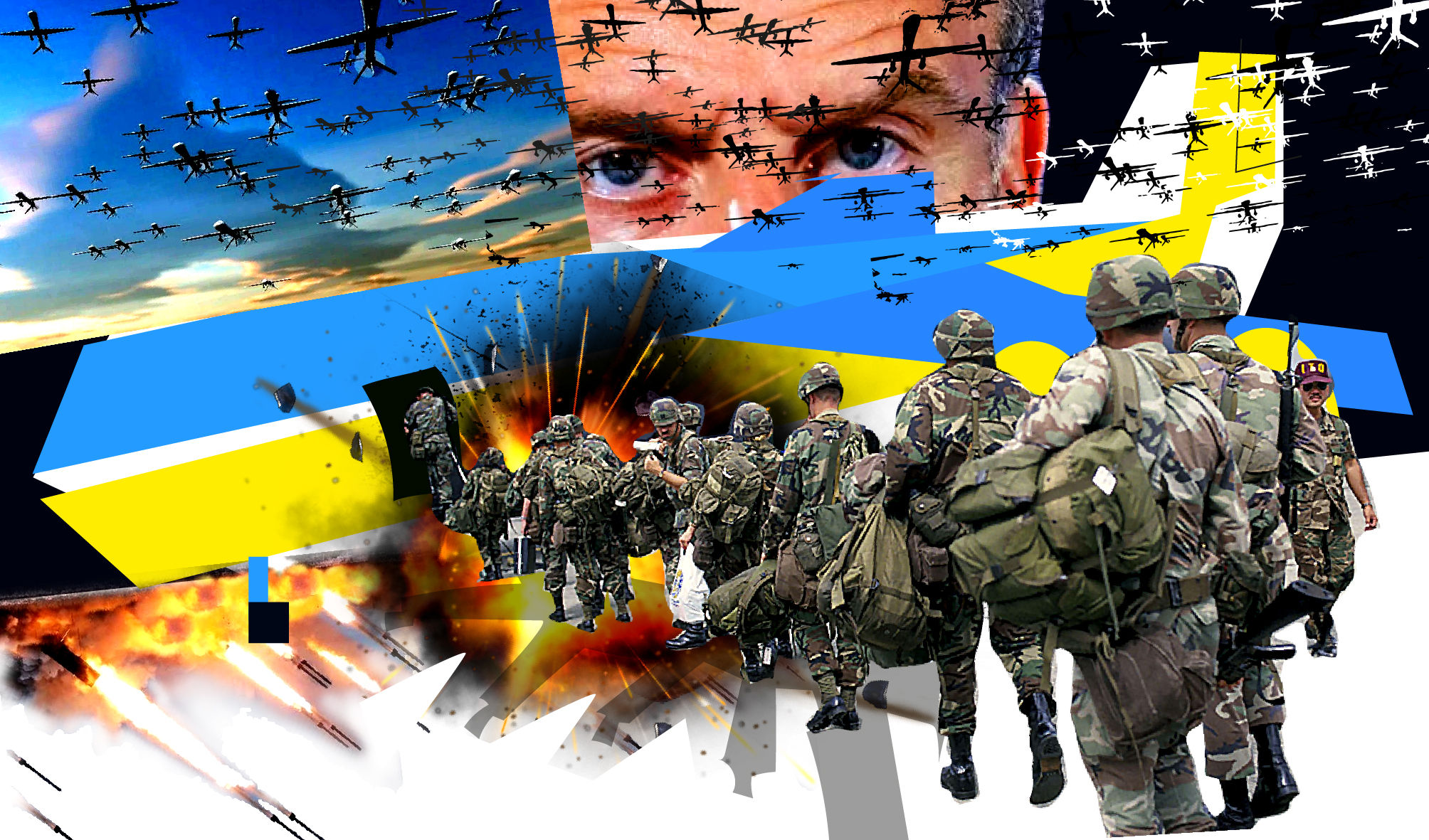
And that despite the fact that the role the French are ready to assign to their forces – to be deployed after a ceasefire and far in the rear – is to calm down Ukraine and deter Russia from launching a new full-scale offensive.
Today France’s potential expedition corps numbers 15,000 troops worldwide at best. These include some 3000 under NATO auspices in Europe and more than 10,000 in the French overseas territories. Those numbers have been declining over the years, For example, back in 2020 the French kept some 7000 troops in African countries, and just a few hundred have remained there by now. The shift helped free up some reserves. Those forces could hypothetically be moved to the fringes of the Russo-Ukrainian combat contact line.
The air force component to be deployed in Ukraine by the French is supposed to include 16 warplanes, one AWACS and two tanker aircraft. One long-range air defense battery may be added.
The naval component that would control Black Sea logistics could include two frigates and a support ship. True, in this case France would have to secure Turkey’s permission to lead them through the Black Sea straits. And, finally, the land component of the French army contingent would comprise an army brigade including two groups of heavy armored vehicles.
That would put some pressure on the national armed forces, one that could be coped with. But if Russia decides to test the coalition’s resolve and starts violent hostilities, the ability of France to withstand heavy fire and overstretch of its forces will be in great doubt.
Should no ceasefire be signed, France could theoretically take part in a limited operation with its fighter aircraft and counterweapons operating from air bases in NATO member States and even in Ukraine itself. In this case, France might form an air component from a group of warplanes with enough ground personnel that could make some 36 sorties.
The biggest question lies in the possible munitions expenditure. If the fighters are equipped with air-to-air missiles, then their high cost and limited supply will make the whole enterprise short-lived quite soon. The interception of thousands of inexpensive Russian Geran-2 drones will quite soon exhaust all the accumulated arsenals that cannot be replenished.
If we return to the first troops stationing model, with one army brigade and some fifteen warplanes, such a contingent will be unable to do anything, should the situation aggravate. It will be just a speck compared to million-strong armies fighting on either side of the combat contact line. Neither Russians nor Ukrainians will even notice the French.