World Center for Strategic Studies
From closed analysis to public debate
- MONTH
- YEAR

Europe’s Climate Flagship Hits The Factory Wall
Europe’s industrial giants are no longer politely asking Brussels for help. They are demanding a freeze on the EU’s flagship carbon-pricing system before it does more damage to the continent’s manufacturing base. The Politico report shows ArcelorMittal, ThyssenKrupp, Voestalpine and BASF warning that rising Emissions Trading System costs are hammering sectors already squeezed by high energy prices, weak demand and global competition.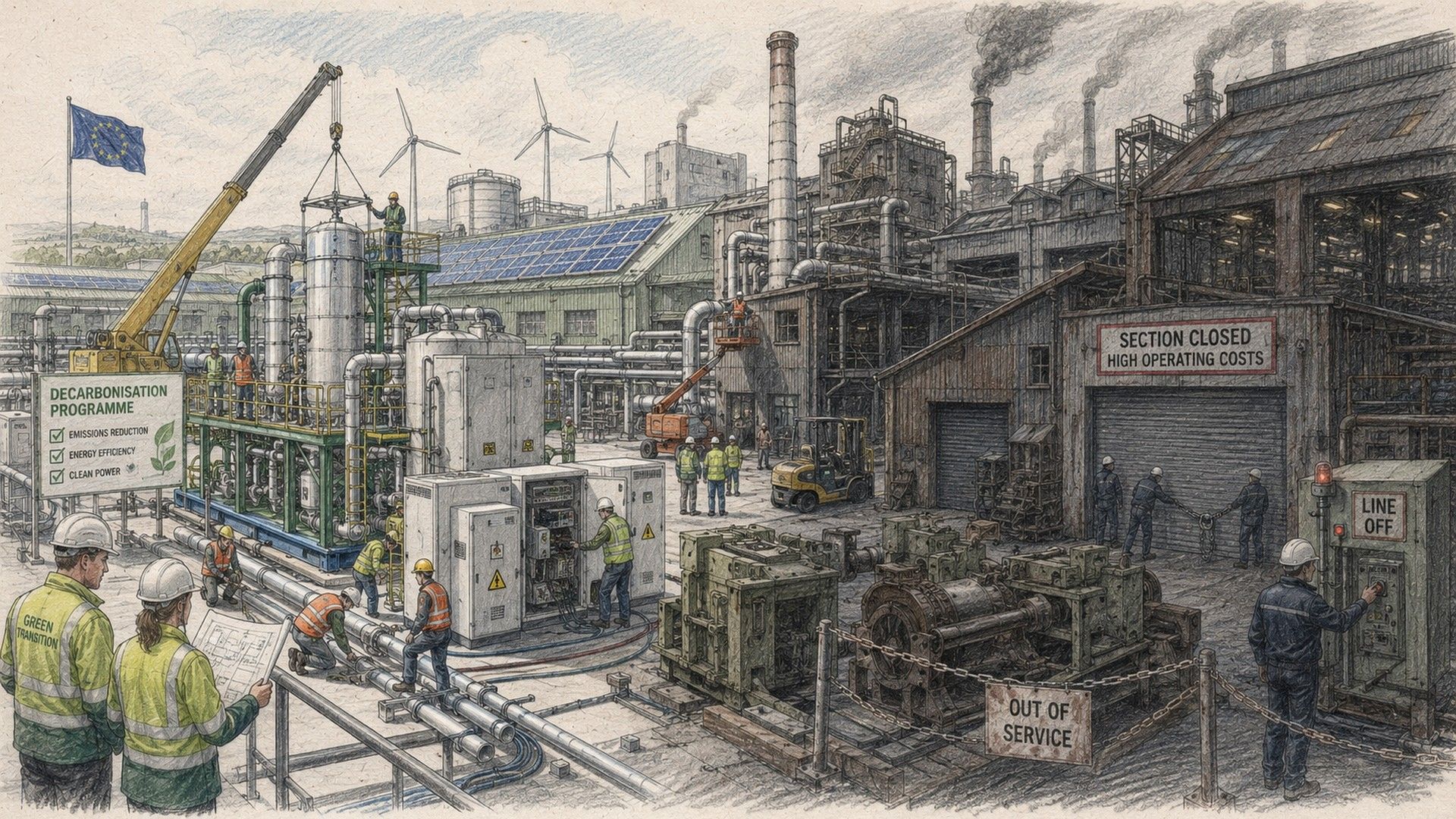
This is not a fringe revolt. These are some of Europe’s biggest steel and chemical players, and their message is blunt: the EU is forcing heavy industry to carry climate costs that rivals in America, China and elsewhere do not face in the same way.
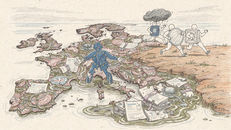
The fight exposes the brutal collision now shaking Brussels – Europe wants to lead the green transition, but its factories are warning they may not survive the journey.
Industry turns on Brussels
The companies are calling for immediate action to stop ETS-related costs from escalating further. Their argument is that Europe’s carbon-pricing regime no longer reflects current global realities.
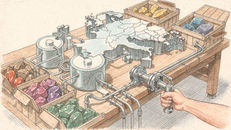
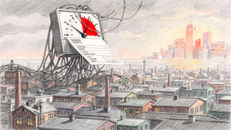
That is a direct attack on one of the EU’s proudest climate tools. The ETS was designed to make polluters pay and push industry towards cleaner production. But for heavy manufacturers, the policy now looks less like an incentive and more like a bill they cannot keep absorbing.
The warning is stark: keep raising costs, and more production may leave Europe.
Europe is acting alone
The core complaint is competitiveness. Steel and chemicals producers say they face structural disadvantages that foreign rivals do not share – especially higher energy prices, heavier regulation and rising carbon costs.
That makes the EU’s climate ambition look dangerous when competitors are not moving at the same speed. If a European plant pays more to produce the same material than a rival in Asia or America, the result is not necessarily lower global emissions.
It may simply mean fewer European factories.
The Green Deal meets hard economics
Brussels has long argued that carbon pricing is essential to Europe’s net-zero plan. Without it, companies have weaker incentives to cut emissions, invest in cleaner technology and shift away from fossil-heavy production.
But the industrial backlash shows the political limit of that logic. A carbon price only works if companies can afford the transition, access clean energy, finance new equipment and remain competitive while they decarbonise.
If those conditions are missing, climate policy starts to look like managed deindustrialisation.
The carbon leakage fear returns
The companies’ warning points to a familiar nightmare: carbon leakage.
That means production moves outside the EU to jurisdictions with looser climate rules, leaving Europe with lost jobs, weaker supply chains and little or no environmental gain. Brussels created the Carbon Border Adjustment Mechanism partly to stop that. But industry clearly doubts that the system will protect it fast enough or fully enough.
The fear is not just that carbon costs rise. It is that Europe’s defences arrive too late.
Factories are losing patience
This is also a political signal. Heavy industry has spent years warning that Europe’s green transition must be matched with cheaper energy, faster permitting, stronger infrastructure and bigger support for clean investment.
Now the tone is shifting from complaint to confrontation.
Steel and chemicals are not ordinary sectors. They sit at the base of supply chains for cars, construction, defence, agriculture, pharmaceuticals and energy technology. If they shrink, the damage spreads far beyond one balance sheet.
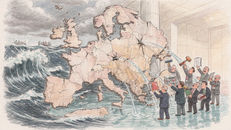
Brussels faces a nasty choice
The EU cannot easily retreat from the ETS without weakening its own climate credibility. But ignoring industrial pressure carries its own risk.
If Brussels refuses to adjust, it may accelerate factory closures and deepen voter anger in regions already feeling abandoned. If it freezes or softens the system, it will be accused of surrendering to corporate pressure and undermining Europe’s climate promises.
Either way, the old Brussels comfort zone is gone.
The weakness rivals will exploit
The wider problem is that Europe is trying to decarbonise from a position of economic vulnerability.
Energy remains expensive. Growth is weak. Defence bills are rising. China is flooding markets with cheap industrial goods. America is pulling investment with subsidies and lower energy costs. Against that backdrop, rising carbon costs become politically explosive.
Europe wants to be the world’s green rule-maker. Its rivals are happy to watch if that ambition makes European industry weaker.
The big warning: Climate policy cannot outrun industrial reality
The Politico report captures a turning point in Europe’s climate fight. The EU’s carbon market is no longer just an environmental success story. It is now a battlefield over jobs, competitiveness and the future of heavy industry.
The companies demanding a freeze are not asking Brussels to abandon decarbonisation entirely. They are saying the current pace and cost are becoming unbearable for sectors already under pressure.
Europe’s green transition was supposed to build the economy of the future.
The danger now is that it hollows out the economy it still has.