World Center for Strategic Studies
From closed analysis to public debate

- MONTH
- YEAR

Europe’s Crypto Sanctions Gap: Russia Finds the Seams
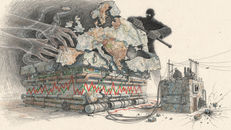
RUSI’s commentary exposes a dangerous hole in Europe’s sanctions war.
Crypto is no longer a fringe trick used by rogue wallets and shady exchanges.
For Russia, Iran and other sanctioned actors, it is becoming part of the machinery that moves money, buys goods and keeps pressure campaigns alive.
The EU has started to react, but the warning is stark: Moscow’s networks adapt faster than Brussels can list names.
Wallet bans are not enough
The easy mistake is to chase individual wallets, tokens or exchanges and pretend the job is done. RUSI says the real problem is bigger.
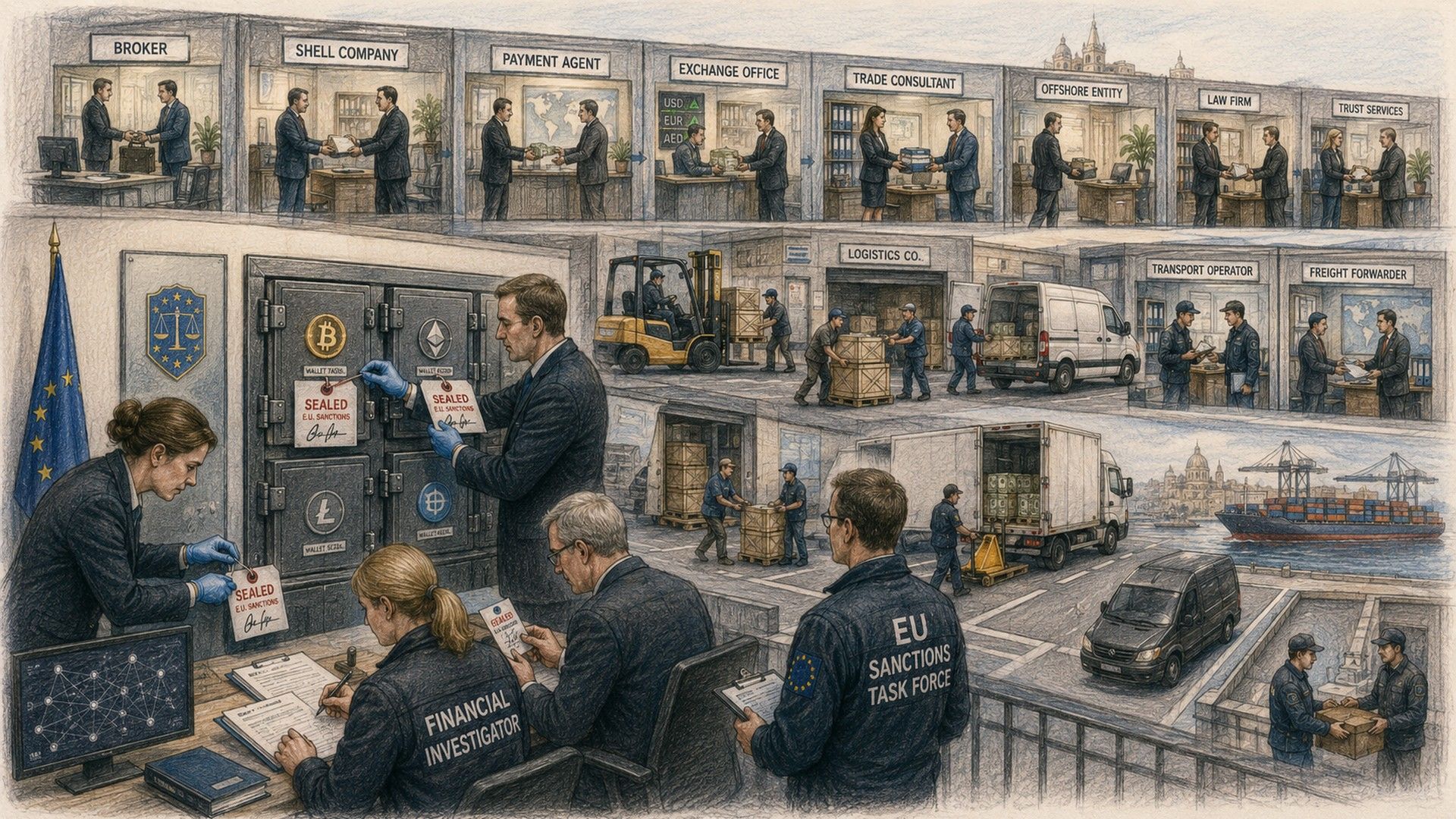
Crypto works for sanctions evaders because it plugs into a wider system: shell companies, brokers, money service businesses, trade routes, third-country banks and professional enablers. It is not replacing old evasion methods. It is strengthening them.
Russia turns crypto into power
For Moscow, the prize is not the token itself. The prize is usable financial power.
Crypto can help move value across borders, reward intermediaries, support procurement networks, shift roubles into more useful currencies and reduce reliance on banks already under Western scrutiny. That matters directly for Russia’s war machine and wider hybrid operations.
The UK shows where to hit
The commentary points to recent UK crypto-related Russia sanctions as a useful test case. The important move was not simply naming exchanges. It was targeting the points where crypto touches liquidity, reputation and the formal economy.
Exchanges still need users, counterparties, payment processors, app access, banking links and confidence. Hit those weak spots, and sanctions can bite. Leave them alone, and banned money keeps finding a road out.
Liquidity is the battlefield
A token is easy to create. Making it useful is the harder part.
That is why RUSI puts the spotlight on liquidity and convertibility. If Russia-linked tokens such as A7A5 can be turned into stablecoins, dollars, renminbi or other usable currency through third-country exchanges and brokers, they become a real sanctions threat.
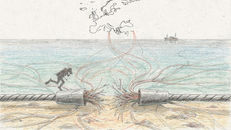
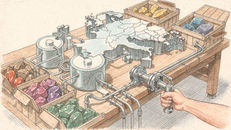
Brussels must stop staring at the token and start mapping the pipework: exchanges, liquidity providers, brokers, banking partners, payment agents and jurisdictions that turn blocked value into buying power.
Third countries are the escape hatch
Crypto evasion thrives where regulation is weak, supervision is patchy and politics favours cooperation with Russia. These networks can be registered in one place, operated from another, serve users in a third and rely on infrastructure scattered across several more.
That is a nightmare for a slow EU system. RUSI warns that places linked to Russian alternative payments, including Kyrgyzstan in the A7 debate, need closer attention. If similar networks spread into Africa, the Caucasus, Central Asia or the Gulf, delay will make them harder to uproot.
Stablecoins cannot hide
The commentary is especially tough on stablecoins. They are often the bridge between volatile crypto, local currencies and the dollar-based financial system.
Issuers may not know every end user, especially on secondary markets. But RUSI argues they should not get a free pass. If stablecoin liquidity helps sanctioned actors turn blocked assets into usable money, the EU needs clearer rules, stronger obligations and more pressure on the gatekeepers.
Brussels is still too slow
The EU has tools. It has sanctions packages. It has growing awareness. The proposed 21st Russia package shows movement.
But movement is not enough. Crypto networks move fast, shift platforms and exploit inconsistent rules between the EU, UK and US. Entity-by-entity designation is too reactive. Brussels needs faster implementation, closer public-private coordination and joint action with London and Washington.
The verdict: Russia exploits hesitation as financial cover.
RUSI’s message is unforgiving. The EU cannot win this fight by treating crypto as a niche technical issue or by listing wallets after the damage is done.
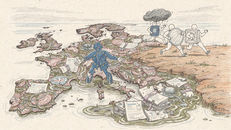
The next phase must target the infrastructure that makes crypto useful: liquidity, conversion, fiat access, trusted platforms and permissive jurisdictions. Otherwise Europe’s sanctions will keep looking strong on paper while Russian money slips through the plumbing.
The loophole is not digital. It is political delay.