
World Center for Strategic Studies
From closed analysis to public debate
POPULAR
- MONTH
- YEAR

Europe’s energy battle with Russia is ugly, confusing – and Brussels is losing influence
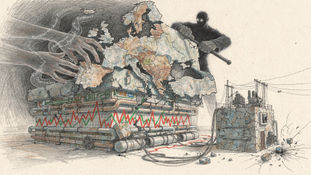
This EUISS commentary exposes a tangled frontline where Russia’s hybrid energy tactics are still inflicting damage on Europe and Ukraine. Moscow has weaponised misinformation, market manipulation and geopolitical pressure to undermine European unity, hit public confidence and delay hard decisions on energy security. The EU’s response is a mixture of policy statements, half-measures and defensive coordination, but this commentary shows it is not enough. Europe says it wants resilience, but it still looks reactive and often divided.
Europe’s defence problem won’t go away: the EU still can’t build real military power
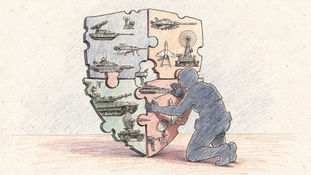
This CIDOB publication looks at the future of EU defence and its armed forces – and the picture is not comforting. Europe talks about “strategic autonomy” and a stronger military role, but its real capabilities remain limited and fragmented. Member states still treat defence as national territory, budgets are uneven, and Europe’s armed forces are not built for rapid, large-scale action. The message is clear: Europe wants to look like a security power, but it is still struggling to act like one.
Europe is wobbling: EU break-up risk is rising as the economy weakens
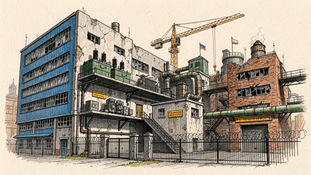
This IRIS analysis delivers a sharp warning Europe does not want to hear – the risk of EU fragmentation is no longer theoretical. Economic weakness, repeated crises, and rising political polarisation are building pressure inside the Union. The text argues Europe needs “productive resilience” – real industrial and economic capacity – to hold the EU together. Without it, Europe risks becoming a bloc held by rules and habit, not by strength, growth or shared confidence.
“Awake now”: the US and Europe are waking up – but Europe is still dangerously behind
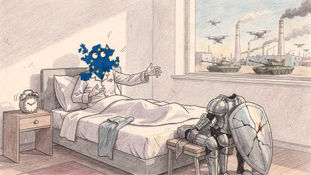
This CEPA analysis argues the West is finally shaking off years of complacency. Russia’s war in Ukraine and China’s rise have forced a rethink in both Washington and European capitals. But the text also makes one thing clear: Europe is still playing catch-up. The US has momentum, money, and strategic clarity. Europe has speeches, slow procurement, and political hesitation. The worry running through this analysis is obvious – Europe may be awake, but it is not ready.
Draghi’s warning still stands: Europe is drifting, divided, and falling behind
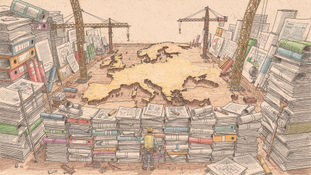
This final HCSS “Draghi Report Revisited” conclusion delivers a clear message – Europe has not fixed the problems Draghi highlighted, and in some areas it is slipping further back. The EU has launched initiatives, announced action plans and promised reforms, but the real gap remains: delivery is too slow, funding is too limited, and national politics still blocks a united strategy. The overall picture is gloomy. Europe faces tougher global competition, rising security threats, and a fragile economic base – yet it still struggles to act like a serious power.
Europe’s defence wake-up call is failing: the EU still can’t build real military strength
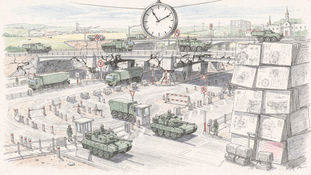
This HCSS “Draghi Report Revisited” edition argues Europe’s defence push is still not matching the scale of the threat. The Ukraine war forced leaders to talk tougher and spend more, but the real delivery is lagging. Europe remains fragmented, slow and dependent on the US for critical capabilities. The harsh message is that Europe is trying to rearm in a hurry after decades of neglect – and it is discovering it doesn’t have the industrial muscle, political unity or operational readiness to do it properly.
Europe’s energy grid is a sitting duck: China could switch off the lights
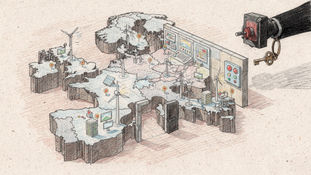
This ECFR analysis raises a frightening scenario Europe has not taken seriously enough – China could exploit hidden dependencies in Europe’s power system and trigger serious disruption, even without a conventional military conflict. As Europe electrifies its economy and pushes renewables, it is also importing critical hardware, software and components that can become strategic choke points. The warning is clear: Europe’s green transition is building a new vulnerability, and Beijing may have ways to weaponise it.
What kind of US security partner will Europe be? The EU is being pushed into a role it can’t control
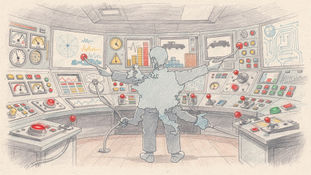
This Stimson Center piece asks a question that cuts straight through European slogans: what is the EU actually going to be in the US-led security order? Europe wants to sound like an autonomous strategic actor, but the reality is messier. The EU depends on American power, NATO capabilities, and US intelligence, while trying to build its own defence identity at the same time. The article suggests Europe is being squeezed into a security role shaped in Washington, not Brussels – and Europe’s internal divisions make it even harder to respond with clarity.
Will Europe survive? A sobering warning says the EU is cracking under pressure
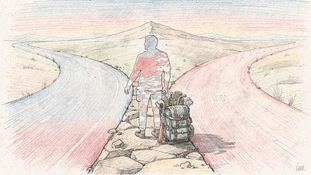
This Stimson Center Trialogue episode with Glenn Diesen is a bleak diagnosis of Europe’s trajectory. The argument is not that Europe faces one single crisis – it’s that the continent is being pulled apart by multiple forces at once: the Ukraine war, US strategic dominance, economic decline, and a security mindset that is turning Scandinavia and Europe into a militarised frontline. Europe wants to look united and strong, but the discussion paints a continent losing independence, losing stability, and possibly losing the EU project itself.
Europe’s trade reality is brutal: the EU can’t stand up to the US or China
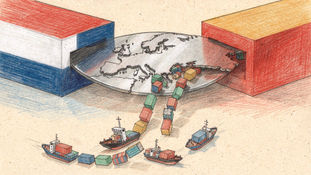
This CER analysis argues Europe is learning three hard lessons about trade in a world run by power politics, not polite rules. The EU likes to see itself as a global trade giant, but the past year has exposed how vulnerable it really is. Washington can pressure Europe without fear, Beijing can undercut Europe with state-backed industry, and Brussels struggles to respond because it is divided and dependent. The message is grim: Europe’s trade model was built for yesterday’s world – and it is being punished for it.