World Center for Strategic Studies
From closed analysis to public debate

- MONTH
- YEAR

Europe’s Center-Right Turns on America: Old Reflexes, New Censorship
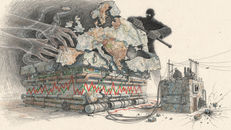
Europe’s center-right is sliding back into a familiar and damaging habit – blaming America while tightening control at home.
This Heritage Foundation commentary argues that conservative parties across Europe, once natural allies of Washington, are becoming more hostile, defensive and censorious.
Under pressure from populists, culture wars and digital disruption, they are copying tactics they once criticised.
The shift exposes a deeper insecurity: Europe feels weaker, more divided and less able to compete, so it lashes out at its closest partner.
What looks like independence is really anxiety dressed up as principle.
Anti-Americanism makes a comeback
The analysis shows how reflexive suspicion of the US is returning in center-right rhetoric. Washington is framed as culturally corrosive, politically intrusive or economically predatory. This language plays well domestically, but it ignores how dependent Europe remains on American security, markets and technology.

Free speech, suddenly optional
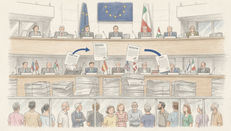
Parties that once defended open debate are backing tighter speech controls, especially online. US tech firms are cast as villains, used to justify sweeping regulation. The result is not digital sovereignty but growing state power over speech, with conservatives leading the charge.
Culture war panic drives policy
The paper argues that fear of social change is pushing Europe’s center-right toward illiberal positions. Instead of competing on ideas, they reach for bans, controls and moral policing. This mirrors the left-wing instincts they claim to oppose and hollows out their credibility.
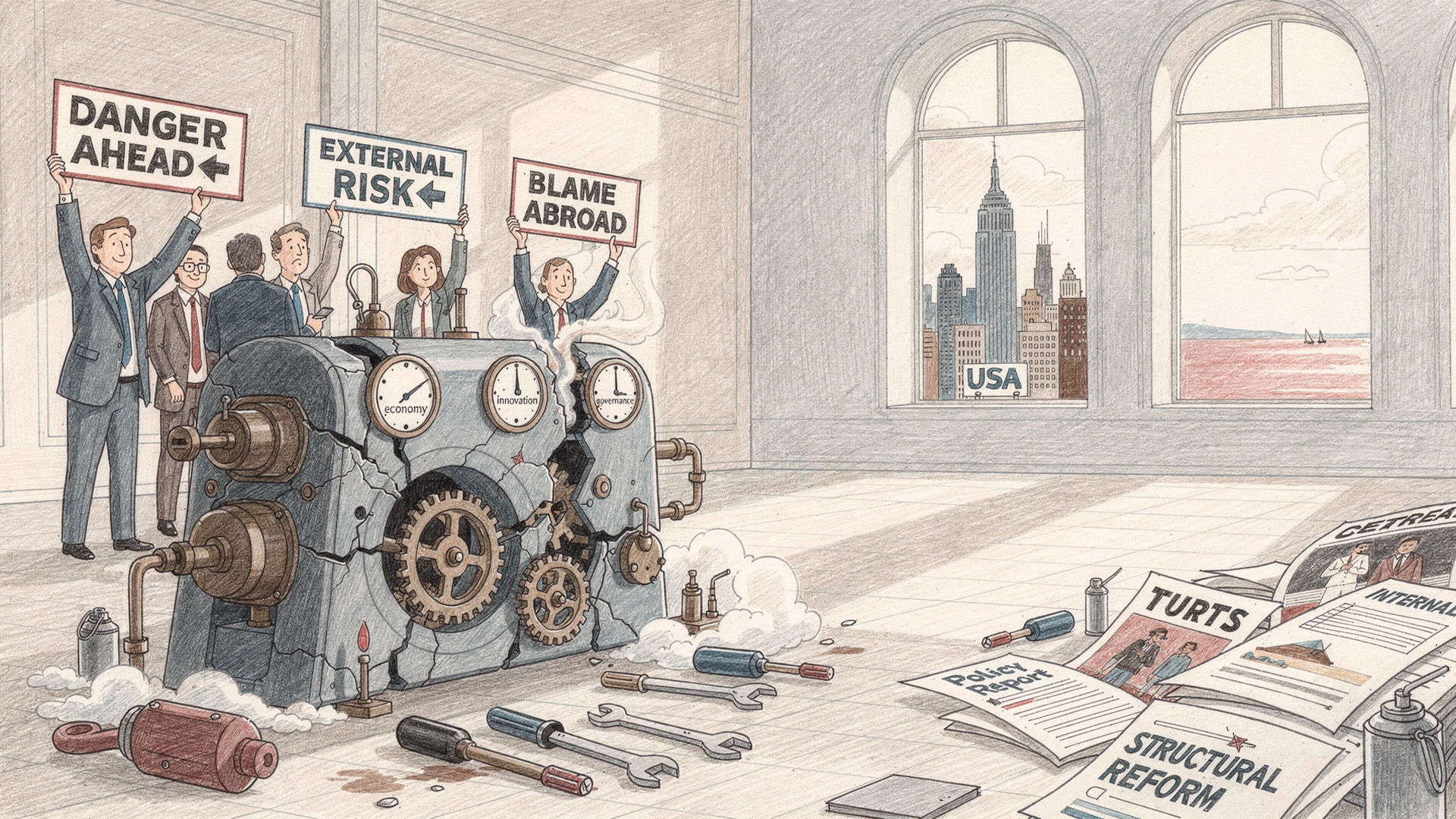
Blaming America, dodging Europe’s failures
Anti-US posturing deflects attention from Europe’s own problems – weak growth, stalled innovation and political fragmentation. It is easier to accuse Silicon Valley or Washington than to confront why Europe struggles to produce global tech champions or coherent strategy.
Security dependence stays untouched
Despite the rhetoric, nothing changes where it matters most. Europe still relies on the US for defence, intelligence and deterrence. The analysis underlines the contradiction: leaders attack America culturally while quietly depending on it strategically.
A divided West benefits rivals
This drift weakens the transatlantic alliance at a time of rising pressure from China and Russia. Internal Western feuds create space for adversaries to exploit regulatory gaps, political splits and strategic confusion.
The warning sign: Europe is biting the hand it needs
Center-right parties are trading confidence for control.
By turning censorship into policy and America into a scapegoat, Europe’s conservatives risk accelerating the very decline they fear – less freedom, less innovation, and a weaker West pulling itself apart.