World Center for Strategic Studies
From closed analysis to public debate
- MONTH
- YEAR

Europe’s enlargement rush could blow up: the EU wants speed, but can’t handle the politics
This ECFR analysis argues the EU is facing a historic choice on enlargement – either move fast and bring in new members amid rising geopolitical tension, or risk losing influence and credibility on its borders. But the text also makes clear this is not a clean victory story. Enlargement is turning into a high-risk gamble, because the EU’s own machinery is slow, its politics are fragile, and its institutions are already under strain. Brussels wants a “big bang” moment. The danger is that the EU may not survive the shock.
Enlargement is now a geopolitical weapon, not a technical process
The analysis frames enlargement as strategic competition. Bringing in Ukraine, Moldova and the Western Balkans is not just about European ideals – it’s about blocking Russian influence and stabilising the EU’s neighbourhood.
But this urgency comes with pressure. The EU is trying to use enlargement as a geopolitical tool while still running it through a bureaucratic process built for calmer times.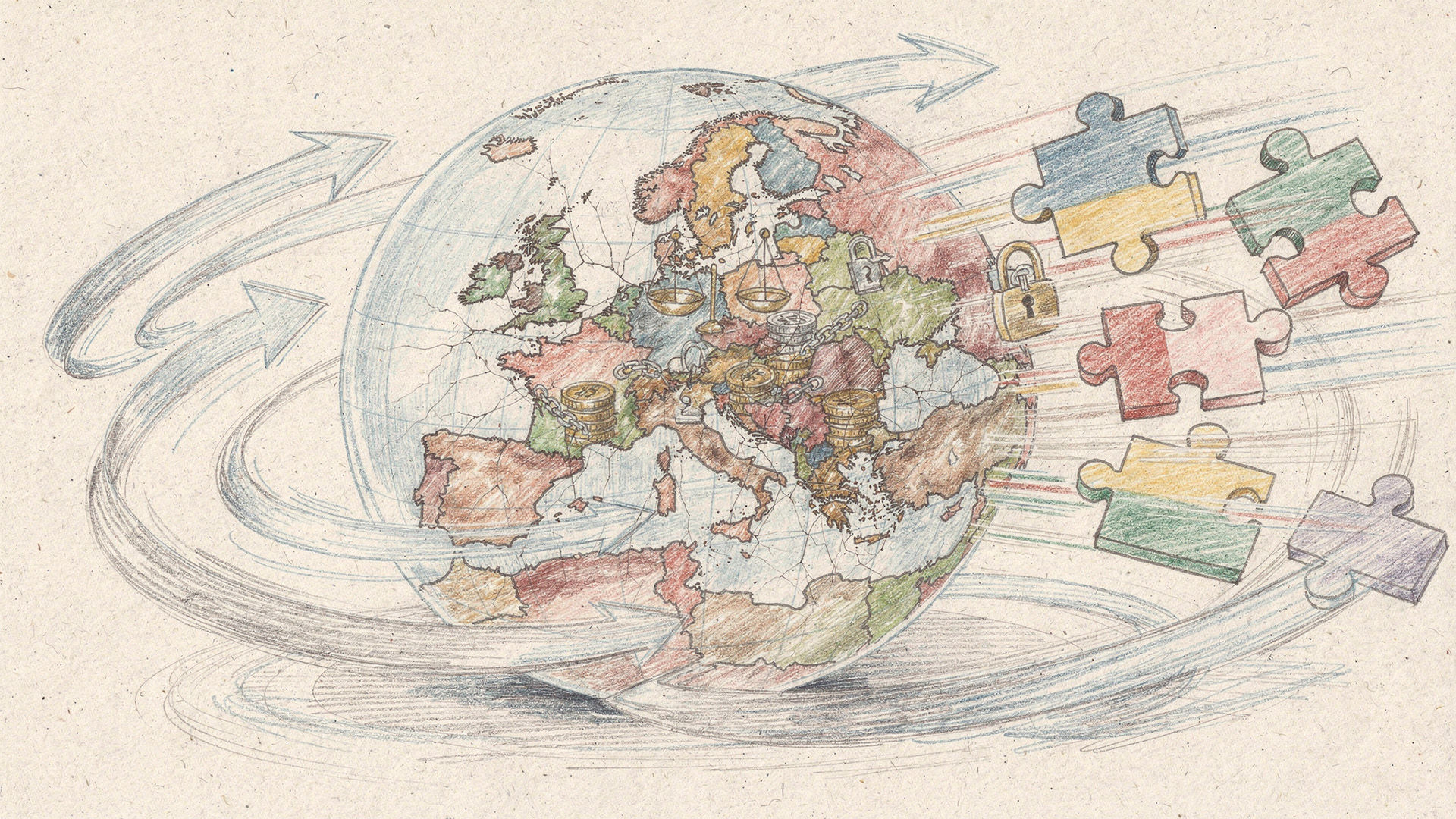

Europe wants speed, but the EU isn’t built for speed
ECFR highlights the EU’s classic weakness: inertia. Enlargement demands fast political decisions, clear conditionality, and credible timelines. Instead, Europe’s process is slow, legalistic and vulnerable to veto politics.
The risk is that the EU promises acceleration and then delivers delay. That is the worst outcome – it breeds disillusionment in candidate countries and makes Europe look weak and unreliable.
The toughest problem: money and power inside the club
Fast-tracking enlargement triggers the real fights inside the EU – who pays, who gets influence, and who loses it. Budget transfers, cohesion funds, agricultural subsidies, and voting weights all become explosive.
The article suggests that unless the EU reforms its own budget and decision-making, enlargement will spark bitter internal conflict. Richer states resist paying more. Smaller states fear losing leverage. Everyone fights over the seat allocation.
Institutional reform isn’t optional – it’s the entry price
The analysis makes clear enlargement at scale forces institutional change: voting rules, veto limits, policy coordination, and budget structures.
But this is where Europe is weakest. Reform is politically toxic. Every member state has red lines. Yet without reform, enlargement risks paralysing the EU. The bloc could expand and then stall, unable to act decisively on anything.
Candidate countries face their own hard reality
ECFR also implies that enlargement is not just about Brussels. Candidate countries must deliver deep reforms on corruption, rule of law and governance. That is slow, difficult and politically destabilising.
If reforms stall or politics backslide, the EU faces a dilemma: slow down and lose credibility, or push ahead and import instability. Either way, Europe takes a hit.
Russia is the pressure behind the urgency
The Ukraine war is treated as the strategic driver. Enlargement becomes part of Europe’s security posture. Delay increases vulnerability. Speed signals commitment.
But the EU is trying to expand while dealing with war, energy pressure and internal populism. The external threat pushes for action. The internal reality pushes for caution.
How the EU could fast-track without losing control
The analysis points to options like phased accession, early integration into EU policies and funding, staged voting rights, and front-loading benefits and obligations. The aim is to lock candidates into the EU orbit while managing risk.
This is a clever workaround, but it also reveals the problem: the EU is improvising because the traditional enlargement model is too slow for the current crisis.
The reality check: Enlargement could fracture the EU from within
The EU wants enlargement to be a strategic win. But enlargement at speed is also a stress test for European unity, budgets and decision-making. Without serious reform, fast expansion could import instability, deepen internal conflict, and weaken the EU’s ability to act.
Europe may need a “big bang” to stay geopolitically relevant – but if Brussels mishandles it, enlargement could become the moment Europe’s own system starts to break.