World Center for Strategic Studies
From closed analysis to public debate

- MONTH
- YEAR

America’s Hemisphere First: Europe on the Back Foot After Trump’s Venezuela Strike
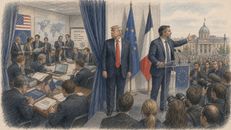
The commentary delivers a stark wake-up call to Europe after Donald Trump’s military strike and capture of Venezuela’s president. What should have been a distant regional event has immediate geopolitical recoil for the EU. The piece argues that Europe’s policymakers face a harsher world order where the US prioritises its own strategic agenda, ignores international norms and uses force with growing ease. Europe’s usual assumptions about partnership, law and stability are being tested in real time.
Trump’s hemisphere rule, Europe loses priority
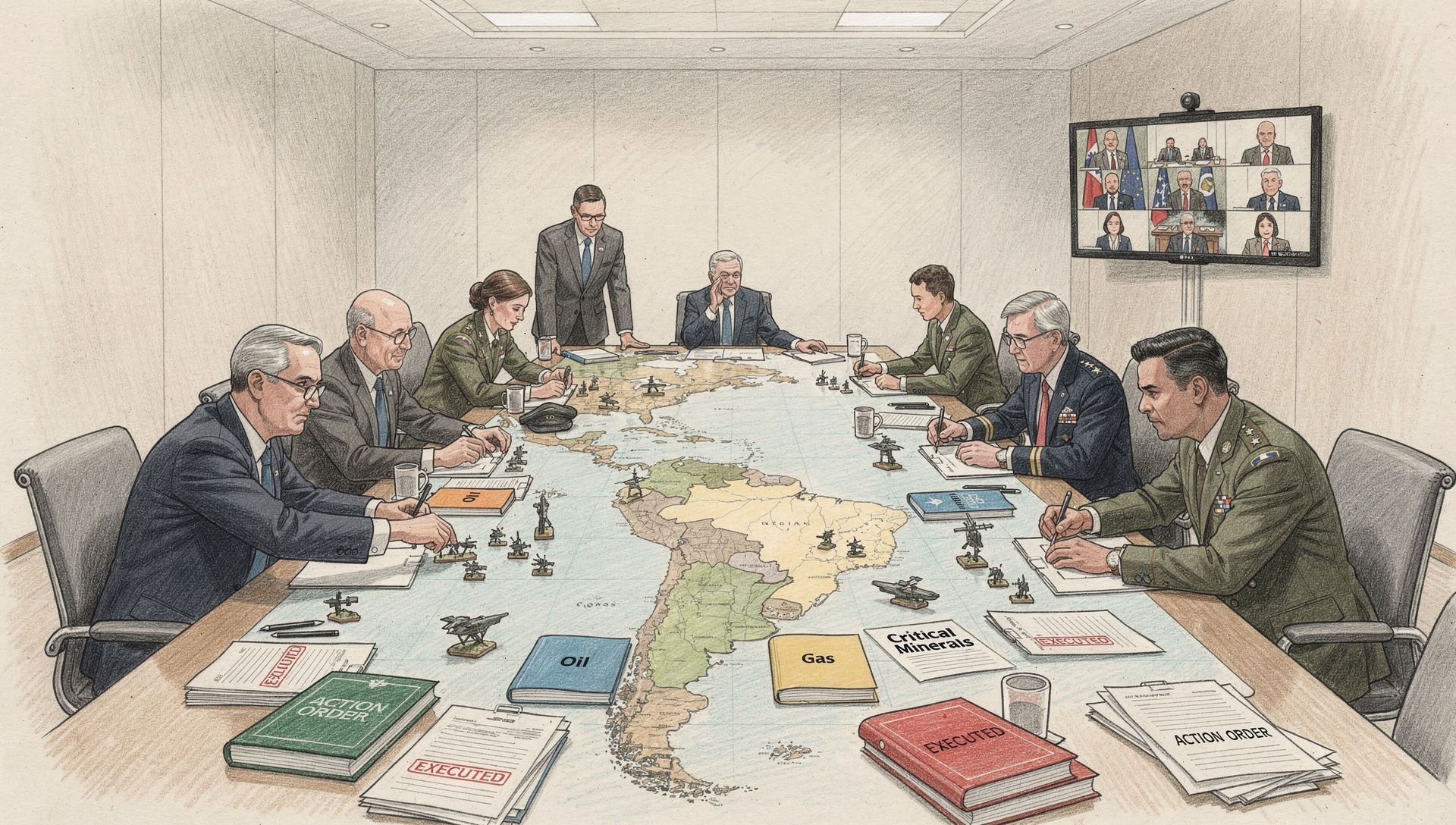
The first major conclusion is that the US has explicitly shifted its strategic focus to the Western Hemisphere. Trump’s “Donroe Doctrine” prioritises American primacy close to home and sidelines European concerns. Washington’s military action in Caracas – overtaking Maduro and signalling control over Venezuelan resources – shows Europe sliding down the ladder of US priorities. That recalibration weakens Europe’s leverage and forces Brussels to watch US decisions reshape a region that still matters to global markets and alliances.
International law becomes optional for Washington
The second blunt takeaway is that the US under Trump treats sovereignty and international law as negotiable. Europe has built much of its foreign policy identity on legal norms and multilateral order. Trump’s intervention – justified domestically but inconsistent with international legal frameworks – strips away that assumption. For Europe this is not abstract: it threatens the legal foundations on which the EU tries to build influence, making it harder for Brussels to claim moral leadership while its closest ally disregards those same norms.
Force over negotiation
The third conclusion is about method. Trump, once seen as critical of foreign interventions, now embraces the selective use of military force to achieve strategic aims. Bombs, special forces and decisive actions replace lengthy diplomacy. Europe, structured around negotiation and restraint, looks slow and reactive by comparison. This exposes a gap between European preferences for peaceful engagement and the fierce pragmatism of US power politics.
Where this leaves Europe: Strategy under pressure
Europe cannot afford to treat Trump’s Venezuela move as an isolated episode. It highlights a strategic environment where US priorities shift abruptly, legal norms are contested and hard power asserts itself with few restraints. Brussels must decide whether to adapt by building real defence and diplomatic muscle or risk being shaped by others’ agendas. Unless Europe confronts this new dynamic honestly, its voice will become increasingly marginal in the very global order it helped build.