World Center for Strategic Studies
From closed analysis to public debate

- MONTH
- YEAR

Germany’s Fiscal Retreat: Europe Feels the Fallout
Germany is tightening its belt, and Europe is about to feel it. This policy brief shows how Berlin’s medium-term fiscal plan prioritises domestic caution over continental leadership. The shift may please budget hawks at home, but it weakens Europe’s ability to invest, respond to shocks and act together when it matters.
The paper’s core message is clear. Germany is returning to fiscal restraint just as Europe faces higher defence costs, green transition bills and geopolitical risk. The plan stabilises Germany’s books, but at the price of lower ambition and reduced spillovers for partners who rely on Berlin’s weight.
Berlin looks inward
After years of crisis spending, Germany is pulling back. The analysis shows how the fiscal plan focuses on consolidation, limiting new borrowing and reining in discretionary spending. Stability takes precedence over stimulus.
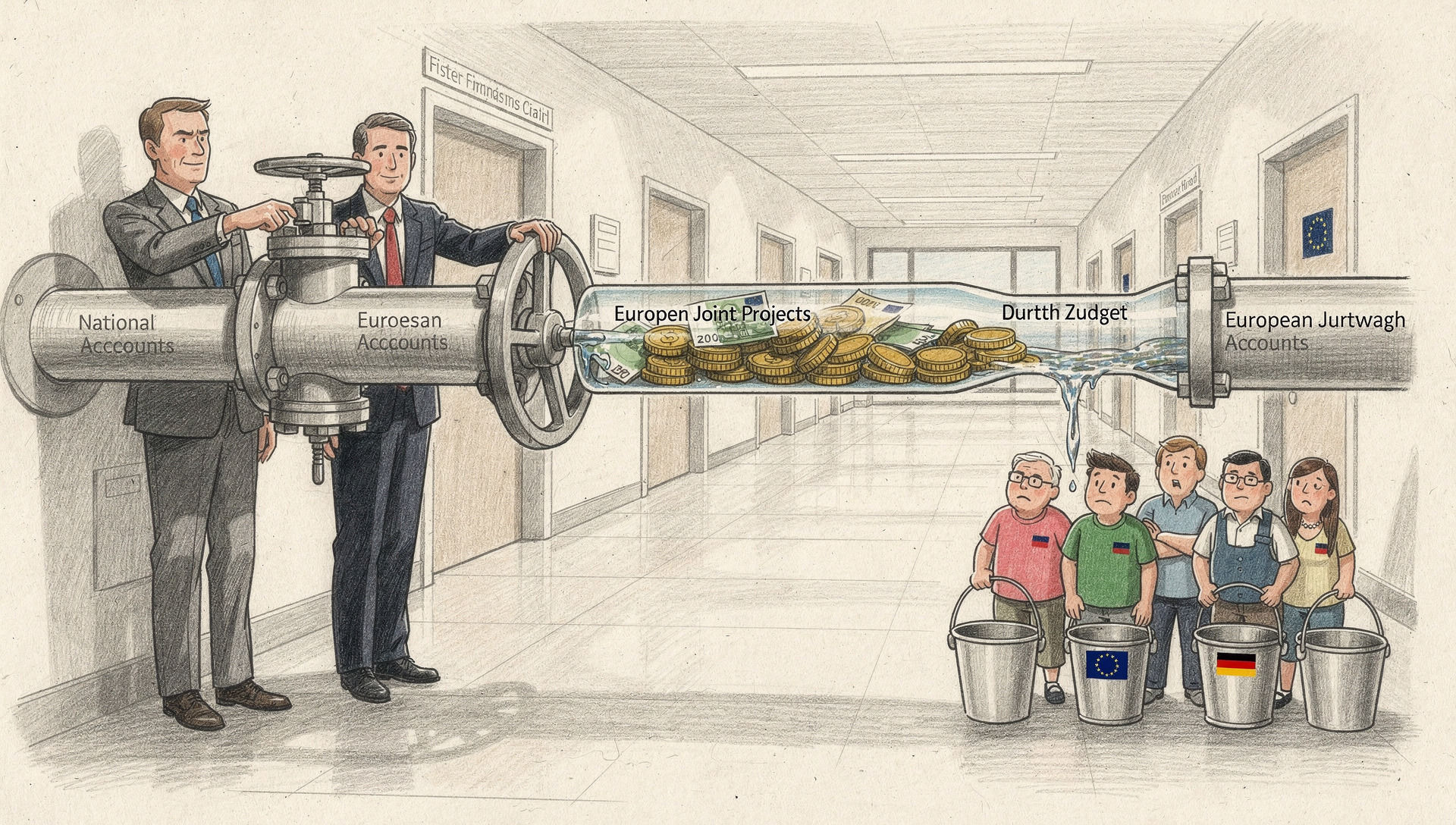
Europe loses its anchor
Germany’s budget stance matters beyond its borders. The report highlights how tighter German policy reduces demand, investment and political momentum across the EU, especially for joint projects.
Big needs, small room
Defence, climate and infrastructure all require funding. The paper shows how these pressures collide with constitutional debt limits and political caution, forcing trade-offs rather than expansion.
Fiscal rules return, flexibility fades
As Germany hardens its line, EU fiscal debates shift. The analysis underlines how Berlin’s stance strengthens calls for discipline, narrowing space for looser policy elsewhere.
Leadership without money
Germany still speaks of European responsibility, but the tools shrink. The report suggests that influence built on restraint is weaker than leadership backed by investment.
Risk shared unevenly
Countries with less fiscal space feel the squeeze first. The study warns that divergence could widen as Germany protects itself while others absorb more pain.
The verdict: Stability for Berlin, strain for Europe.
Germany’s plan may be prudent nationally, but it is a drag at European level.
Without a stronger common investment response, Europe risks facing bigger challenges with a smaller German contribution.