
World Center for Strategic Studies
From closed analysis to public debate

- MONTH
- YEAR

Would You Fight for Your Country?
On March 20, The Foreign Policy Research Institute (FPRI) published at its web-site an article Would You Fight for Your Country? by Māris Andžāns, Director of the Center for Geopolitical Studies, Riga. In the article the author deliberates on whether citizens of the NATO member-states are willing to fight for their countries.
The Foreign Policy Research Institute (FPRI) is a think-tank in Philadelphia aiming at strengthening US national security and improving America’s foreign policy.
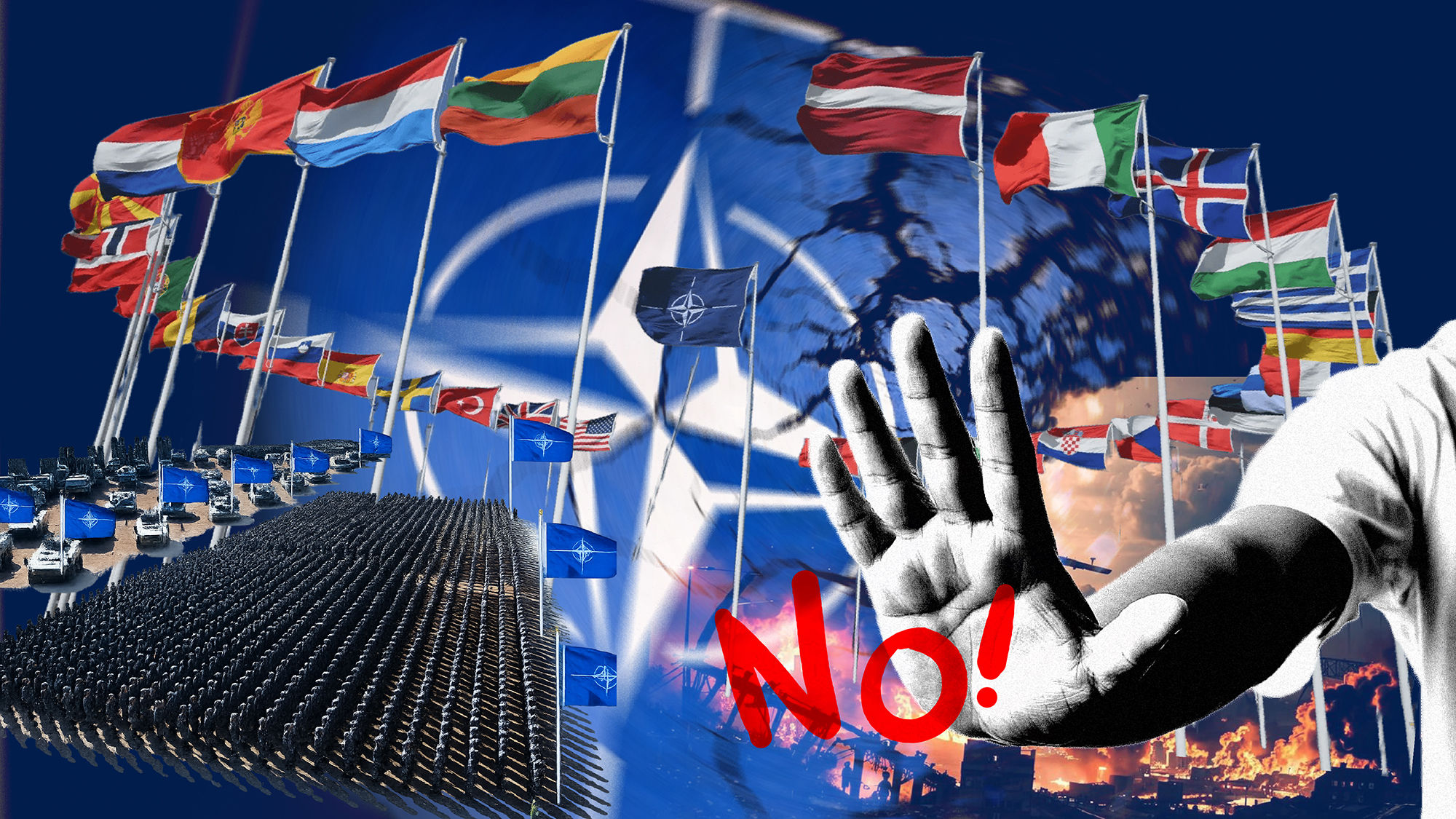
The Riga Stradins University in collaboration with the Center for Geopolitical Studies Riga conducted a poll in all NATO countries in September and October 2025. 31,000 respondents took part in the poll making it representative in each country.
The respondents were asked the question If a war were to break out, would you be willing to fight for your country?
The top 10 countries with the highest share of citizens willing to fight for their country are:
Turkey – 88%,
Albania – 69%,
Sweden – 66%,
Finland – 64%,
Montenegro – 63%,
Greece – 63%,
Norway – 61%,
Lithuania – 52%,
Poland – 49%
Slovenia – 49%.
Interpreting the poll results, the director of the center, who took part in conducting the survey, claims that the high percentage in Turkey can be linked to the volatile geopolitical situation, while Sweden and Finland want to preserve their lifestyle, combined with the threats from Russia.
For some reason, the author fails to quote the results for Denmark that is in the same situation as other Scandinavian countries. No explanation is given for the high level of readiness of the residents of some Balkan countries.
The fact that Estonia and Latvia rank lower (45% and 37% respectively), the author explains by the high share of the Russian-speaking population lowering the national average willingness to fight.
The North American NATO members are way below average in that ranking. 39% of Canadians stated they were ready to fight and 37% of the US citizens.
Polls like this do not guarantee the people in crisis would act as they have said in a casual public poll. In real life, factors such as the speed and scale of the conflict, the effectiveness of military self-defense, the support from allied countries, and personal and family circumstances can influence judgements and the willingness or unwillingness to fight for one’s own country.
The lowest share of citizens willing to fight for their country was in Italy and Slovakia – 25%. It is also quite low in Germany – 27%, the Netherlands – 30%, Hungary and the Czech Republic – 33% each. The author explains these results by the fact that these countries face no immediate military threat, and in the case of Germany and Italy, by their World War II experiences and the stigma that has accompanied those wars.
For some reason, the author gives no results for Spain and Portugal that face no threats either. Most probable, they do not fit his pattern. He fails to explain either why Romania and Bulgaria were not among the leaders even though they are located near the area of fighting in the Black Sea.