
World Center for Strategic Studies
From closed analysis to public debate
- MONTH
- YEAR

Europe’s migration predicament from the outside looks messy: the EU’s credibility is at stake
This Institut Montaigne commentary takes an outsider’s lens to how the EU handles migration – and the picture is not flattering. Rather than projecting an image of coordinated humanitarian leadership, Europe often appears reactive, fragmented and internally conflicted. The piece suggests that from abroad, Brussels looks indecisive: legal pathways are limited, border policies seem contradictory, and political divisions undermine coherence. For the EU’s global standing and internal stability, that lack of clarity and control is a growing problem.
How outsiders see Europe’s mixed messages
The text highlights that different parts of the world view the EU’s migration stance through varying and often conflicting lenses. Some see Europe as generous and rights-oriented, while others see it as volatile and inconsistent.
This ambiguity matters because external partners, origin countries and migrant communities base decisions on perceptions. A weak image reduces Europe’s leverage in diplomacy, burden-sharing negotiations and crisis management.
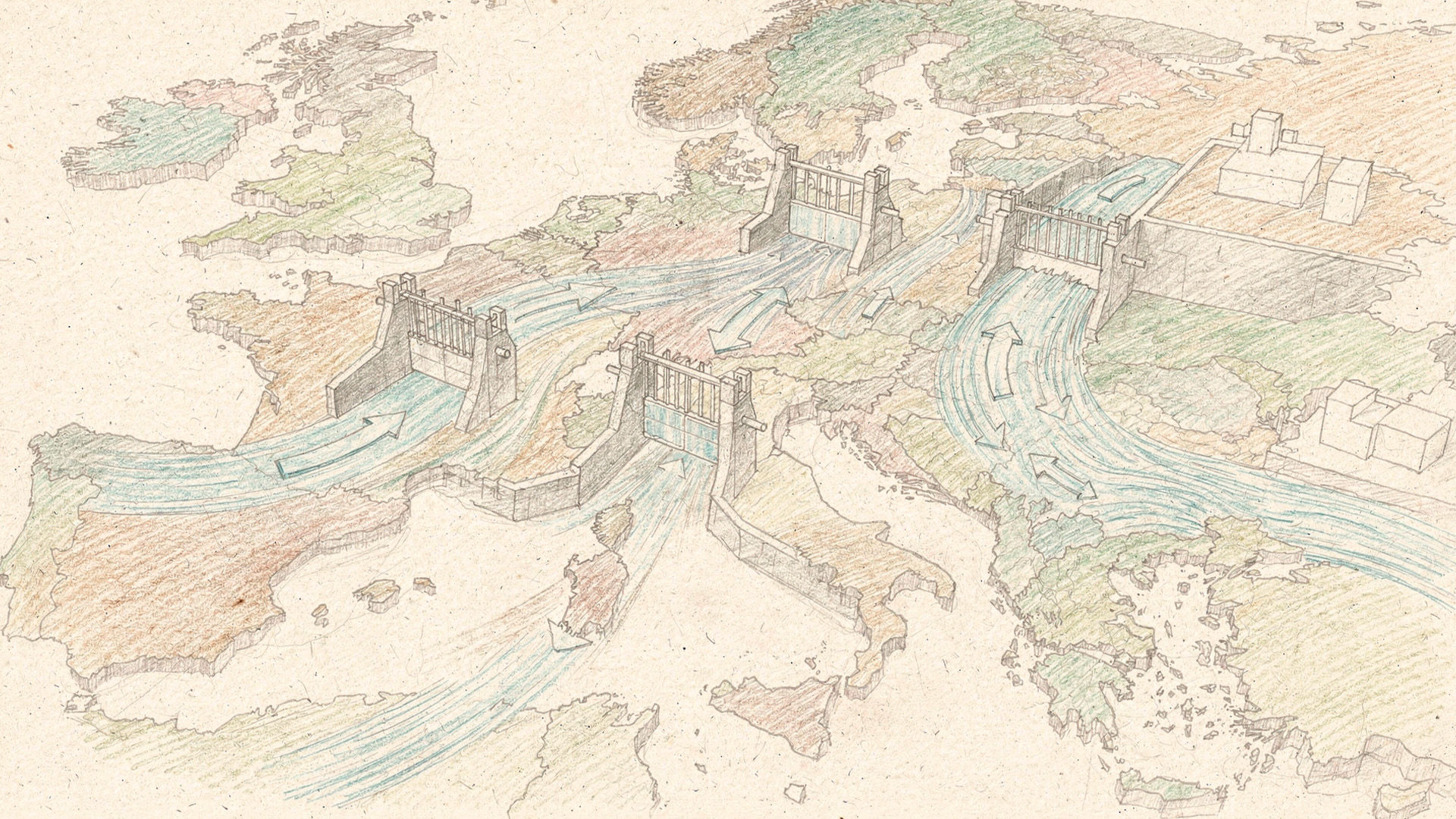

Border policies look harsh and confusing
According to the piece, Europe’s migration policies involve deterrence, enforcement and legal restrictions that sometimes clash with its professed values.
From an external viewpoint, pushbacks, strict border control and complicated asylum routes create the impression of a fortress mentality. This hurts the EU’s narrative as a defender of human rights and complicates cooperation with countries of origin and transit.
Internal division undermines collective action
The commentary also points to EU member states’ divergent approaches. Some states push for stricter enforcement. Others advocate more open asylum and reception policies.
This lack of unity makes the EU appear unable to speak with one voice, weakening its ability to negotiate agreements and share responsibility with external partners. The result is a patchy system of deals rather than a coherent continental strategy.
Economic and demographic pressures add complexity
Europe’s ageing populations and labour-market needs create a paradox: the continent needs more workers, yet political sensitivities make migration a toxic domestic issue.
Externally, this sends mixed signals. Countries watching Europe juggle these pressures may see instability or a lack of long-term planning, further eroding confidence in the EU’s ability to manage migration constructively.
Migration negotiations become diplomatic minefields
The piece implies that when the EU tries to strike deals with origin and transit countries, its own internal confusion undermines its negotiating position. Europe demands compliance with human-rights standards while also seeking stricter border control, creating contradictions that other states exploit.
From abroad, Europe seems both demanding and unstable – a partner with standards that are hard to reconcile with practical cooperation.
The stark truth: Europe’s migration story is messy and unstable
From outside the continent, the EU’s migration policy looks like a series of half-measures and political compromises that satisfy no one.
Unless Europe builds a clearer, more consistent approach, its credibility as a responsible global actor will keep eroding, and migration will remain not only a domestic headache, but a diplomatic liability.