World Center for Strategic Studies
From closed analysis to public debate

- MONTH
- YEAR

Germany’s China Gamble: Berlin Risks Choosing The Wrong Giant
Germany is being warned that its China policy is drifting into danger. The National Interest commentary argues that Berlin is clinging to Beijing as a business lifeline just as the United States and several EU partners are hardening their line against Chinese trade abuses.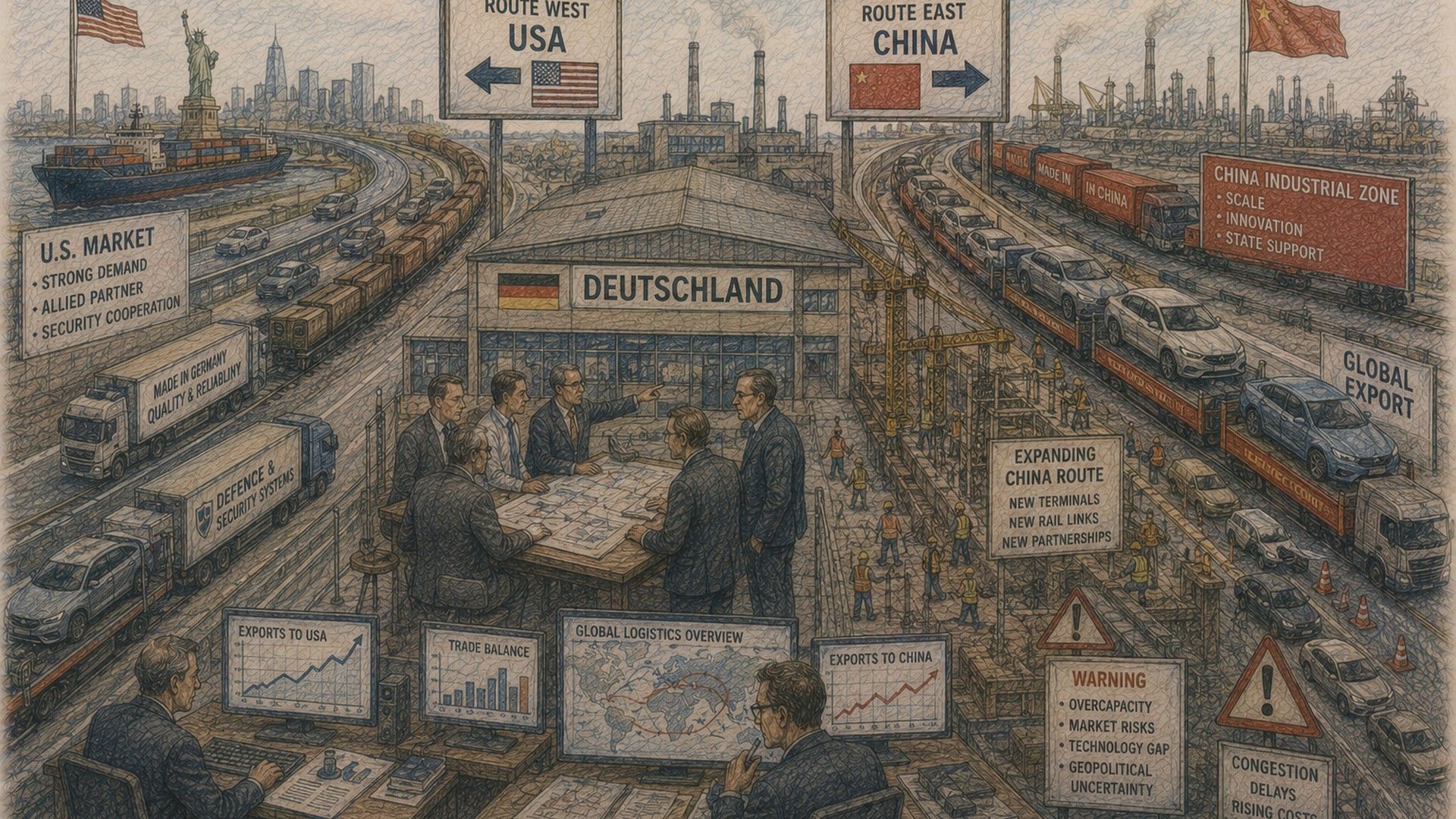
The charge is sharp: Germany’s obsession with protecting industrial access to China is no longer strategic caution. It is becoming economic self-harm and diplomatic weakness.
At the heart of the argument sits a brutal choice. Germany still talks as if China is its future growth market. But China is already replacing German exports, especially in cars, while America remains Germany’s safer and more important economic and security partner.
Berlin is blocking the tougher line
The commentary presents Germany as the main European obstacle to a firmer China strategy.
While the United States pushes Beijing on trade concessions and countries including France, Italy, Spain, the Netherlands and Lithuania back stronger EU tariffs, Berlin is still trying to deepen industrial ties with China. That makes Germany look less like Europe’s economic leader and more like the weak link in the Western response.
The problem is not just optics. If the EU cannot act together on China, Beijing gains space to divide, delay and play European capitals against each other.
The car industry is driving policy
Germany’s caution is rooted in one giant vulnerability: its carmakers.
Volkswagen, BMW and other flagship brands spent years treating China as the great engine of future growth. Berlin therefore fears anything that could trigger retaliation or close doors for German industry.
But the commentary argues that this logic is increasingly outdated. China is not simply buying German cars. It is building its own competitors, pushing electric vehicles, replacing imports and steadily squeezing foreign manufacturers out of the market.
Germany protected access to China – and China used that time to build rivals.
America still matters more
The piece’s strongest warning is that Germany may be undervaluing its relationship with the United States.
America remains Germany’s largest export market and its ultimate security guarantor. German defence is still backed by US military power, while NATO remains central to Europe’s deterrence posture.
That gives Washington leverage Berlin cannot ignore. If Germany appears soft on China while criticising America, the Trump administration is likely to treat that as a political and strategic insult.
For a country still dependent on US security, that is a dangerous game.
Washington decides, Berlin hesitates
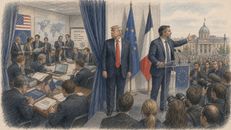
The commentary frames Donald Trump’s China policy as a pressure campaign that Germany risks undermining.
Trump has made clear that allies must align more closely with Washington’s tougher approach. Germany, however, is sending mixed signals: distancing itself from America in tone while keeping relations with China warm in substance.
That leaves Berlin exposed to US retaliation or diplomatic downgrading at exactly the moment Europe needs American support on defence, energy and Russia.
Germany may think it is hedging. Washington may see betrayal.
China has eaten Germany’s lunch
The harsh economic point is simple: China is no longer the opportunity Germany imagines.
German car sales in China have weakened as domestic Chinese producers gain ground. Beijing’s industrial policy is aimed at self-sufficiency and dominance, not permanent dependence on European imports.
That means Germany’s old bargain – political caution in exchange for market access – is becoming less valuable every year.
The longer Berlin delays adjustment, the greater the shock when the Chinese market stops delivering.
Europe pays for German caution
Germany’s position affects more than Germany.
As Europe’s largest economy, Berlin shapes the EU’s entire China debate. If it resists tariffs or softens policy to protect national champions, the bloc’s collective leverage weakens.
That frustrates partners who see China as a systemic industrial threat and want stronger defences against dumping, subsidies, technology transfer and strategic dependence.
Europe cannot claim to be tough on China if its biggest economy keeps reaching for special treatment.
The ugly reality: Germany is betting against its own leverage
The National Interest commentary delivers a blunt message: Germany is risking the wrong relationship at the wrong time.
China is becoming a tougher competitor, not a reliable growth machine. America remains Germany’s key market, military shield and strategic anchor. Yet Berlin appears more willing to offend Washington than confront Beijing.
That is not strategic autonomy. It is confusion dressed up as pragmatism.
If Germany keeps treating China as the future and America as the problem, it may discover that both conclusions were dangerously wrong.