World Center for Strategic Studies
From closed analysis to public debate

- MONTH
- YEAR

Germany in Trouble: The Centre Buckles Under Pressure
The analysis cuts through the noise and delivers a stark message – Germany is not just unsettled, it is politically and economically adrift. What looks like a series of isolated crises is actually a deeper breakdown of confidence in leadership, institutions and direction. The piece argues that Germany’s problems are no longer temporary shocks but symptoms of a system struggling to cope with a harsher world.
At its core, the study shows a country squeezed from all sides. Economic weakness, coalition infighting and voter anger are feeding off each other. Germany still looks stable on paper, but the foundations are thinning. The danger is not collapse tomorrow, but steady erosion that leaves Berlin weaker at home and less useful abroad.
Economic model losing traction
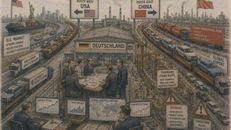
Germany’s growth engine is misfiring. High energy costs, slowing exports and weak investment have exposed how vulnerable the old model has become. The analysis makes clear this is not a short dip but a structural challenge that demands painful adjustment.
Coalition politics turns toxic
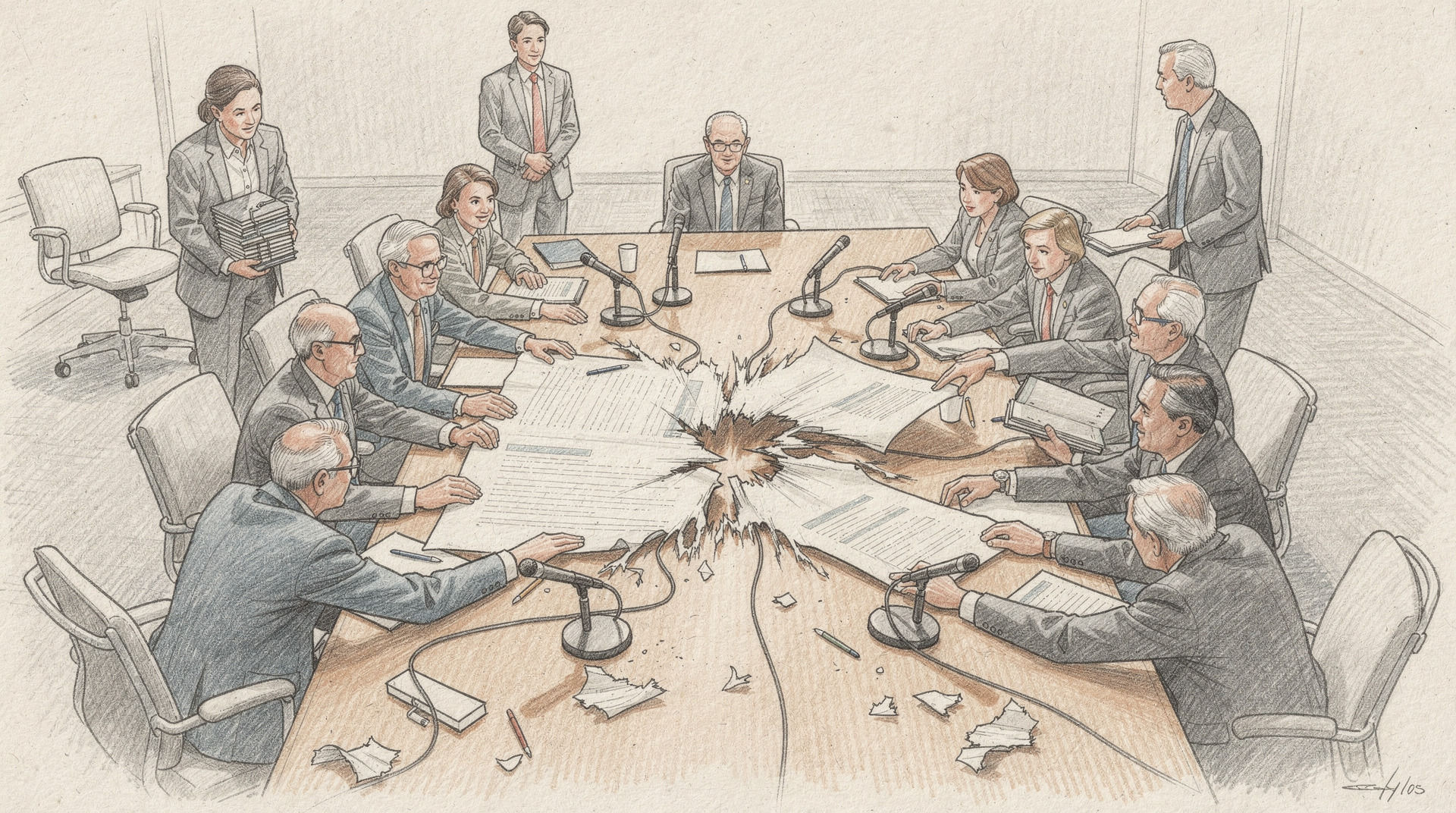
The governing coalition is trapped in constant argument. Instead of compromise, paralysis dominates. The paper shows how policy disputes spill into public rows, undermining authority and reinforcing the sense that nobody is really in charge.
Voters drift from the centre
Public frustration is rising fast. The analysis highlights how mainstream parties are losing trust as living costs climb and promises fall flat. Protest voting is no longer marginal – it is becoming a central feature of German politics.
AfD capitalises on disorder
The far-right thrives in this climate. The study underlines that AfD’s gains are not driven by solutions, but by the failure of others to offer convincing leadership. Each stumble by the centre widens the opening.
Federalism slows response
Germany’s complex governance structure once delivered stability. Now it drags. The analysis points to overlapping responsibilities and slow coordination that delay decisions when speed matters most.
Europe feels Berlin’s weakness
A distracted Germany means a hesitant EU. The paper stresses that Germany’s internal troubles reduce its ability to lead on security, budgets and reform at the European level.
The big warning: Stability is no longer automatic
Germany’s reputation for reliability is built on past performance, not current momentum. The analysis suggests that without decisive course correction, decline becomes normalised.
Germany is not collapsing, but it is wobbling. If leadership remains fragmented and reforms stalled, the country risks drifting from anchor of Europe to its biggest uncertainty.