
World Center for Strategic Studies
From closed analysis to public debate
POPULAR
- MONTH
- YEAR

Pushed East by Washington? Europe Caught in a New Squeeze
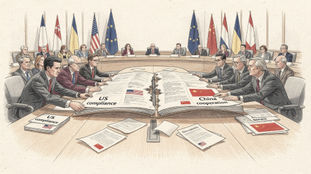
The analysis asks a provocative question Europe would rather avoid – could US pressure end up nudging Europe closer to China instead of pulling it firmly into line. The answer is uncomfortable. As Washington hardens its demands on security, trade and technology, Europe risks being boxed into choices it is not ready to make.
Trump’s Davos Shock: Europe Shaken, Not Fixed
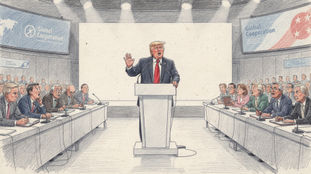
The analysis looks at Donald Trump’s disruptive return to the Davos stage and delivers a mixed verdict for Europe. The shock was real. Complacency was punctured. But the claim that this jolt has made Europe “healthier” is treated with caution. The piece argues that Trump’s blunt pressure may have clarified problems, yet it has not solved them. Europe feels more alert, but still underpowered.
Europe’s Regulation Overload: Brussels Trips Over Its Own Rules

The brief delivers a sharp critique of the EU’s regulatory machine and lands on an awkward conclusion – Europe’s problem is no longer lack of ambition, but too much poorly controlled lawmaking. Brussels keeps piling on rules in the name of protection, fairness and strategy. The result is a regulatory thicket that slows growth, scares investment and weakens Europe’s ability to compete. The paper argues that “better regulation” has become a slogan masking systemic failure.
The Donroe Doctrine Goes North: Europe Loses the Arctic High Ground
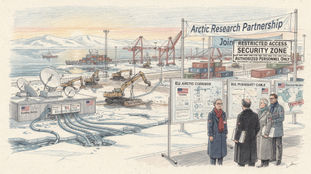
The analysis warns that Washington’s hardening “Donroe Doctrine” has now reached the Arctic – and Europe is not ready for the consequences. What once felt like a remote, cooperative space is turning into a theatre of power politics where the United States moves first and sets terms. The piece argues that Europe’s Arctic influence is thinning fast as American priorities tighten and security logic crowds out partnership.
Europe Ringed by Fire: 2026 Brings a Harder, Riskier World
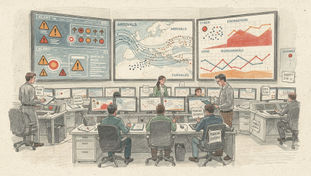
The commentary delivers a sobering security forecast for 2026 and makes one thing clear – Europe is entering a year of elevated danger with little margin for error. Conflict risks are multiplying on Europe’s borders and beyond, while the EU’s ability to shape events remains limited. The piece argues that this is no longer about isolated crises. It is about a crowded threat landscape where several conflicts could escalate at once and stretch Europe’s attention, resources and unity.
Trump Steps Back In: Europe Still Waiting for Leadership
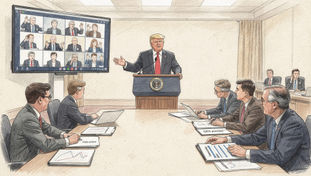
The commentary delivers a pointed claim that stings in European capitals – as Donald Trump enters 2026, he looks more decisive on Europe’s future than Europe’s own leaders. While Brussels debates processes and Berlin hesitates, Trump acts, signals and sets terms. The piece argues that Europe’s leadership vacuum has become so visible that an American outsider once again fills the space by default.
The European Emperor Exposed: Power Talk Without Power
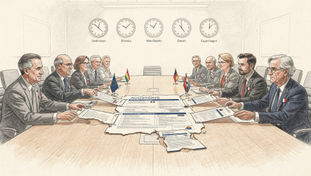
The analysis pulls no punches and argues that Europe’s claim to geopolitical clout is a carefully maintained illusion. Beneath the grand speeches and strategic documents, the EU lacks the tools, unity and speed to act like the power it pretends to be. The piece says the problem is no longer hidden. Crises have stripped away the costume, leaving a bloc that talks big and delivers small.