World Center for Strategic Studies
From closed analysis to public debate
- MONTH
- YEAR

Geopolitical EU Meets Trump 2.0: Storm Warnings After 100 Days
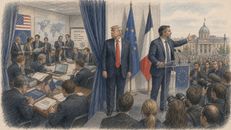
The analysis takes stock of Europe’s position one hundred days into Donald Trump’s return to the White House and finds a Union talking geopolitics while bracing for turbulence it cannot control. The EU wants to act like a strategic power, but Trump’s early moves expose how thin that ambition still is. The piece argues that Europe is navigating the storm with limited instruments, fragile unity and heavy dependence on decisions made in Washington.
At its core, the study says Trump’s second term has already changed the transatlantic atmosphere. The tone is harder, the expectations sharper and the margin for European hesitation smaller. Brussels speaks of autonomy and resilience, yet the relationship remains deeply asymmetric. Europe adapts. America decides.
The honeymoon never started
Within the first hundred days, Trump signalled a transactional approach to allies. The analysis shows how security guarantees, trade and cooperation are framed as deals, not commitments. For Europe, this removes the comfort of predictability it still relied on.
Geopolitical language meets hard limits
The EU has embraced the idea of being geopolitical, but the paper stresses that rhetoric runs ahead of capacity. Defence gaps, slow decision-making and weak enforcement power limit what Brussels can actually deliver when pressure rises.
Ukraine becomes the fault line
Support for Ukraine is the clearest test. The analysis warns that any wavering or conditionality from Washington forces Europe into choices it is not fully prepared for, financially or militarily. Unity looks solid, but strain is visible underneath.
Trade and tech turn hostile
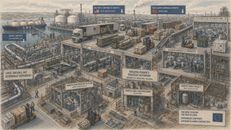
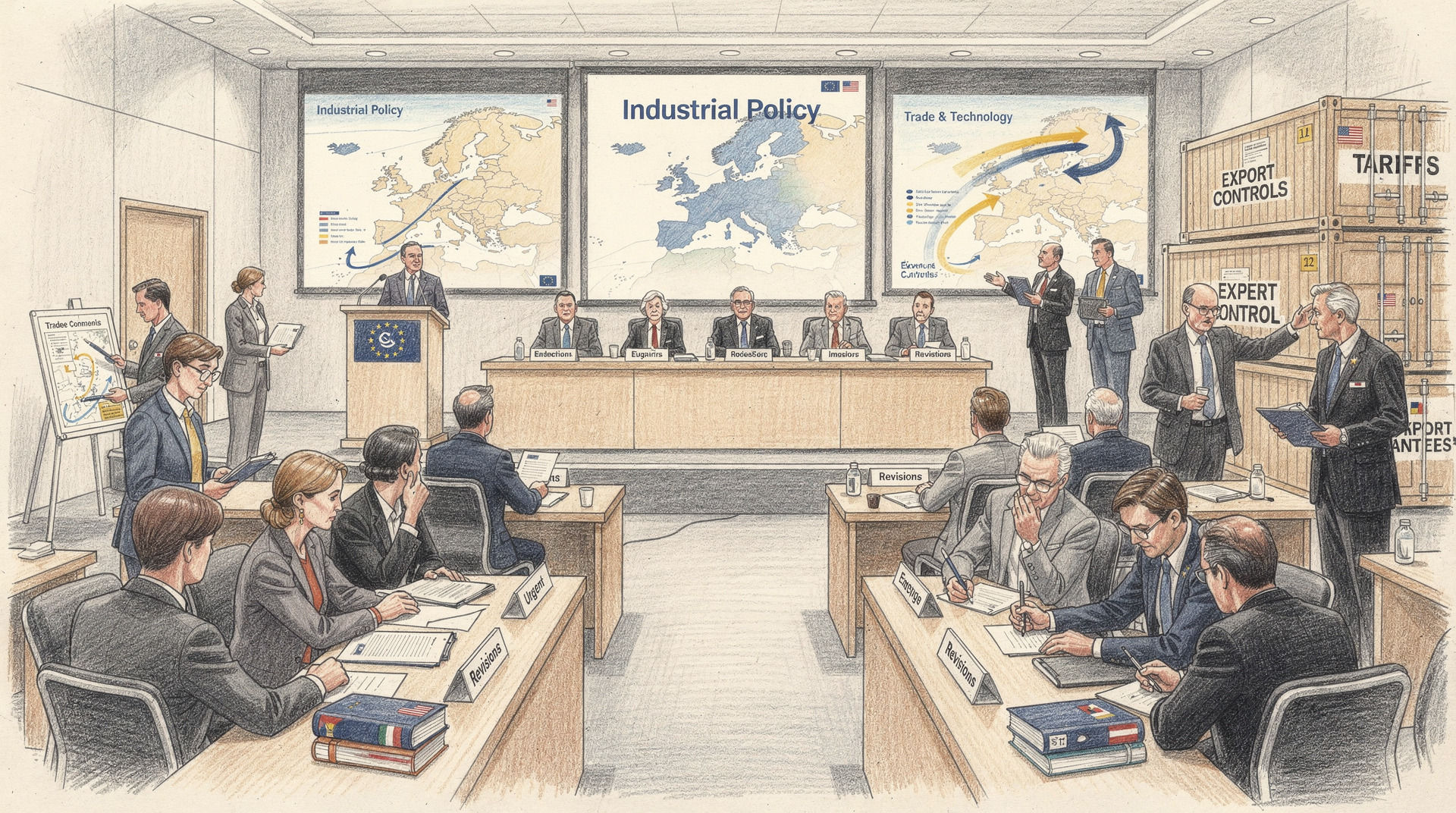
Trump’s return sharpens disputes over industrial policy, tariffs and technology controls. The paper highlights Europe’s vulnerability to US economic pressure, especially where supply chains and digital infrastructure are concerned.
Internal fractures resurface
Facing US pressure, member states split over strategy. Some push accommodation, others resistance. The analysis shows how this fragmentation weakens Europe’s negotiating hand and slows response.
Autonomy still depends on others
Despite years of debate, Europe remains reliant on US defence, intelligence and tech. The paper frames this as the central contradiction of the geopolitical EU – ambition without independence.
Where this leaves Europe: Steering in heavy seas
Trump 2.0 has compressed time and raised the cost of indecision. Europe must react faster in a system built for delay.
The storm is already here. If the EU cannot match its geopolitical talk with speed, unity and capability, it will keep navigating crises on Washington’s terms – calling it partnership, while learning again how little control it really has.