World Center for Strategic Studies
From closed analysis to public debate
- MONTH
- YEAR

Could Carney’s Speech in Davos Mark a Turning Point Towards a Post-American World Order?
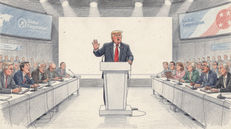
On 8 February 2026, the Middle East Eye website posted an article by Marco Carnelos, a former Italian diplomat who had mainly served in the Middle East. The publication analyzes the causes and consequences of a speech made by Canadian Prime Minister Mark Carney at the 2026 forum in Davos and shows the context of the global processes and the possible consequences of the changes.
The author likens the Canadian Prime Minister’s speech to the Fulton speech by Winston Churchill. Future historians may consider Carney’s statements to be no less significant than Churchill’s.
Carney was welcomed with a standing ovation even though he had sharply criticized the hypocritical and mistaken policies promoted by those present at the forum. The provocative content of Carney’s speech evoked no meaningful response from European politicians.
On the other hand, Carney’s words resonated widely in the Global South, as his assessment of the end of the world order matched those countries’ own positions. The West’s double standards were evident. Yet, as noted by British columnist Peter Oborne, Carney took umbrage only when the U.S. President Donald Trump threatened to treat the rest of the West in the same way as the USA has long treated the Global South.
Those methods cannot be attributed solely to Trump, as they have been the gold standard for nearly all previous US presidents. Trump has simply been more blunt in his approach, discarding diplomatic pretense.
The EU leaders slapped down by Trump tolerated similar treatment from Zelensky. He brazenly criticized them even after they pledged a further EUR 90 billion in aid to his country.
Carney calls on middle powers to act together. Canada is trying to escape U.S. diktats. Carney has signed to a comprehensive strategic partnership with the EU and, in just six months, signed 12 other trade and security agreements, including new strategic partnerships with China and Qatar and free trade agreements with India, ASEAN, Thailand, the Philippines, and MERCOSUR.
The great powers’ intensifying competition fueled by predatory instincts over strategic commodities is generating a tectonic geopolitical shift towards a more polycentric world.
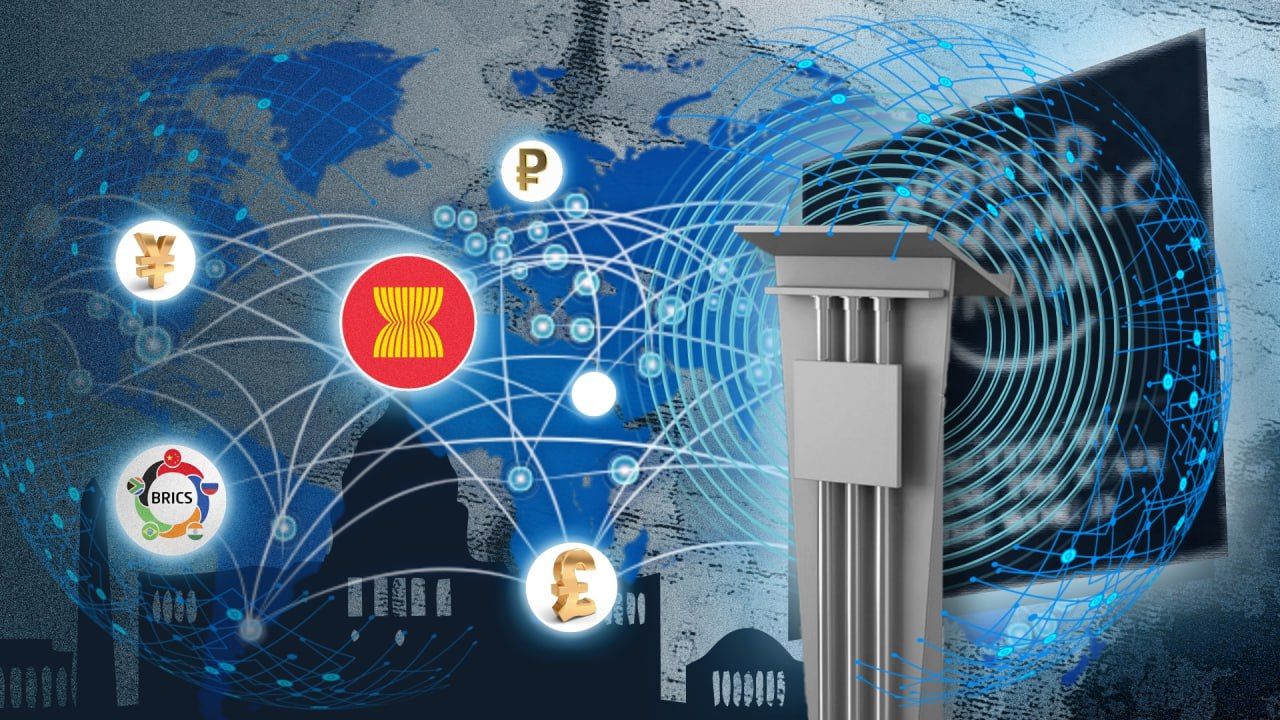
Another current shift in the world order is Xi Jinping's call for the renminbi to assume a global reserve role. What was discussed discreetly only two years ago in a closed meeting of the Chinese Communist Party has now come out into the open.
The Global South has already recognized and begun preparing for this gradual shift in the international system. The BRICS grouping is one prominent example. Carney’s speech marks tectonic changes in the world order. But it is disappointing that that such a pronouncement did not come from a European leader. Western democracies, especially in Europe, need to rethink their self-harming policies. For now, however, that prospect appears closer to wishful thinking.