World Center for Strategic Studies
From closed analysis to public debate
- MONTH
- YEAR

Venezuela, Oil, and US Energy Dominance: Implications for German Policy
In January 2026, the German Council on Foreign Relations (Deutsche Gesellschaft für Auswärtige Politik, DGAP) published an analytical report entitled Venezuela, Oil, and US Energy Dominance: Implications for German Policy. The document is a geopolitical review of the plans of Trump’s administration, used as a tool for justifying the climate agenda. It exploits the image of an external threat to promote narratives on an accelerated energy transition. The authors are trying to discredit Venezuelan oil for economic, political and environmental reasons.
They note a change in U.S. policy. Washington D.C. no longer supports the liberal world order with its rules of free trade but switches to force-based resource dominance instead.
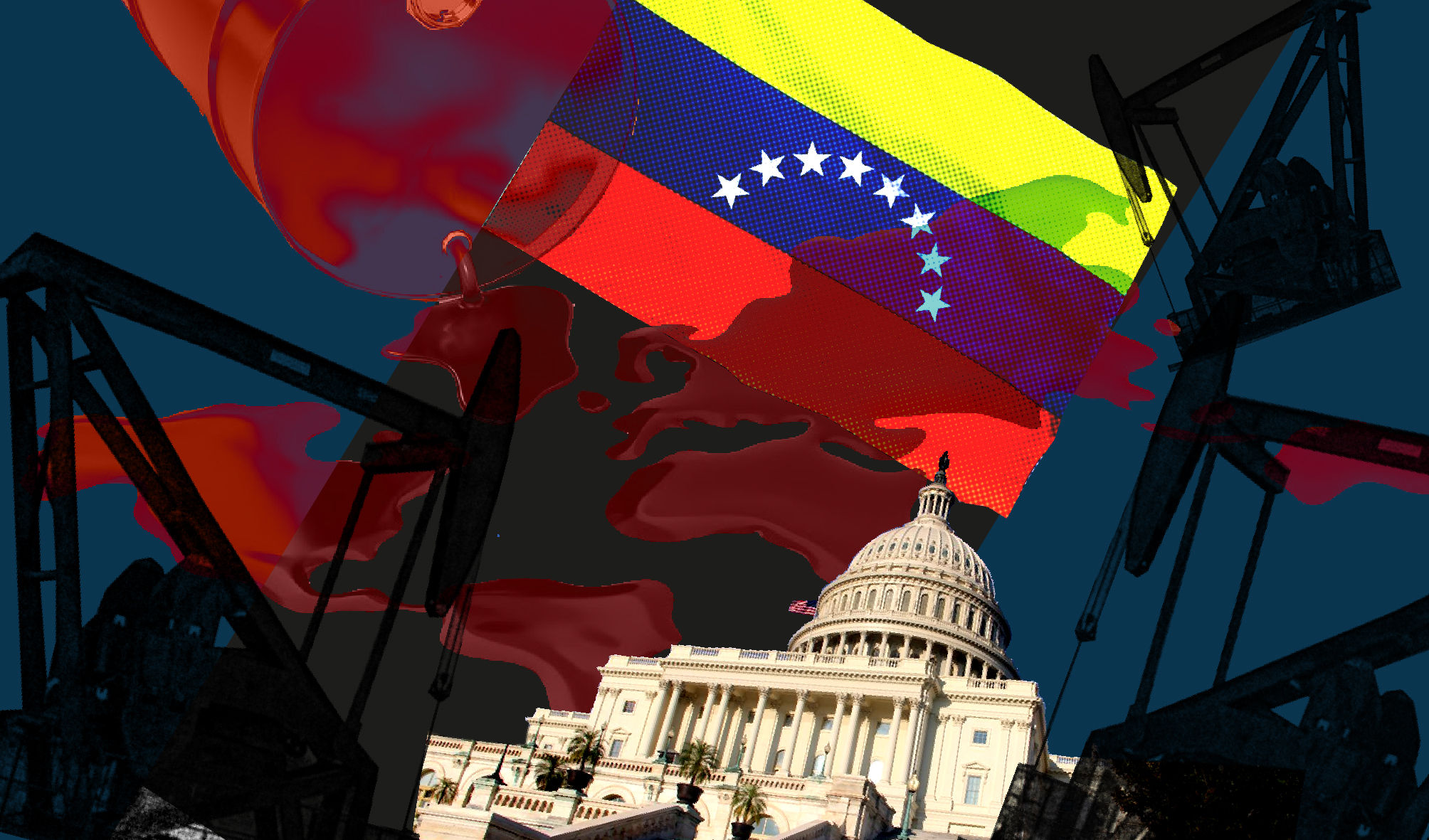
The capture of Venezuela is interpreted as a return to the Monroe doctrine intended to oust both China and Russia from the region. That creates a real problem for Germany, with its considerable dependence on imports. Rather than a reliable guarantor of stability, the USA now seems an unpredictable player that can use energy as a weapon. This is a risk for the European Union that receives 45 per cent of its LNG from the Americans.
Should the USA gain control over the oilfields, the Venezuelan resource asset will become virtually useless for the market, the authors say. They cite the risks: a destroyed infrastructure, unprofitable production, corruption, etc. The report concludes that the Venezuelan oil deposits are a liability rather than asset for any investor.
The detailed analysis points out that heavy Venezuelan oil generates higher emissions in production and processing. The authors present data and then calculate how seriously the extracted resource will affect global climate change. Damage to the environment in the production areas will entail a collapse of the healthcare system and new waves of migration that will not only hit Venezuela but spread far beyond its borders.
.jpg)
As the ‘rules-based world’ breaks down, the USA is no longer a partner. The market mechanisms provide no stability. The U.S. energy policy in respect of Europe is regarded as a possible pressure threat. In this connection the authors argue that the green transition is the only survival strategy. They emphasize the technology areas where European manufacturers remain competitive, primarily offshore wind power. They suggest diversification of LNG suppliers (to include Canada, Egypt, Senegal, etc.), reduction of energy intensity, and creation of climate alliances excluding the USA. Yet they admit, quite casually, Europe’s dependence on China in the field of green technology.
The document captures an essential divide: the USA is not a guarantor a stability any longer but a source of risk for Europe. The authors regard a forced green transition as the solution. However, the promotion of this agenda runs along with the North Sea Summit and with subsidies of billions to an industry that is unviable without public support. Another thing is also instructive: as they struggle to get rid of dependence on Russian hydrocarbons, the European countries unwillingly fall into a new dependence, now on Chinese technology and U.S. LNG. The price of such a maneuver for Germany is deepening de-industrialization under the flag of countering external threats.