World Center for Strategic Studies
From closed analysis to public debate

- MONTH
- YEAR

Civil Defense in Europe: An Initial Assessment
In a joint report by the International Institute for Strategic Studies (IISS) and the Swedish Defense Research Agency, experts argue expressly that, despite all loud declarations about ‘civil defense 2.0’ and ‘total preparedness’, Europe is still a typical patchwork with chronic vulnerabilities and weak coordination.
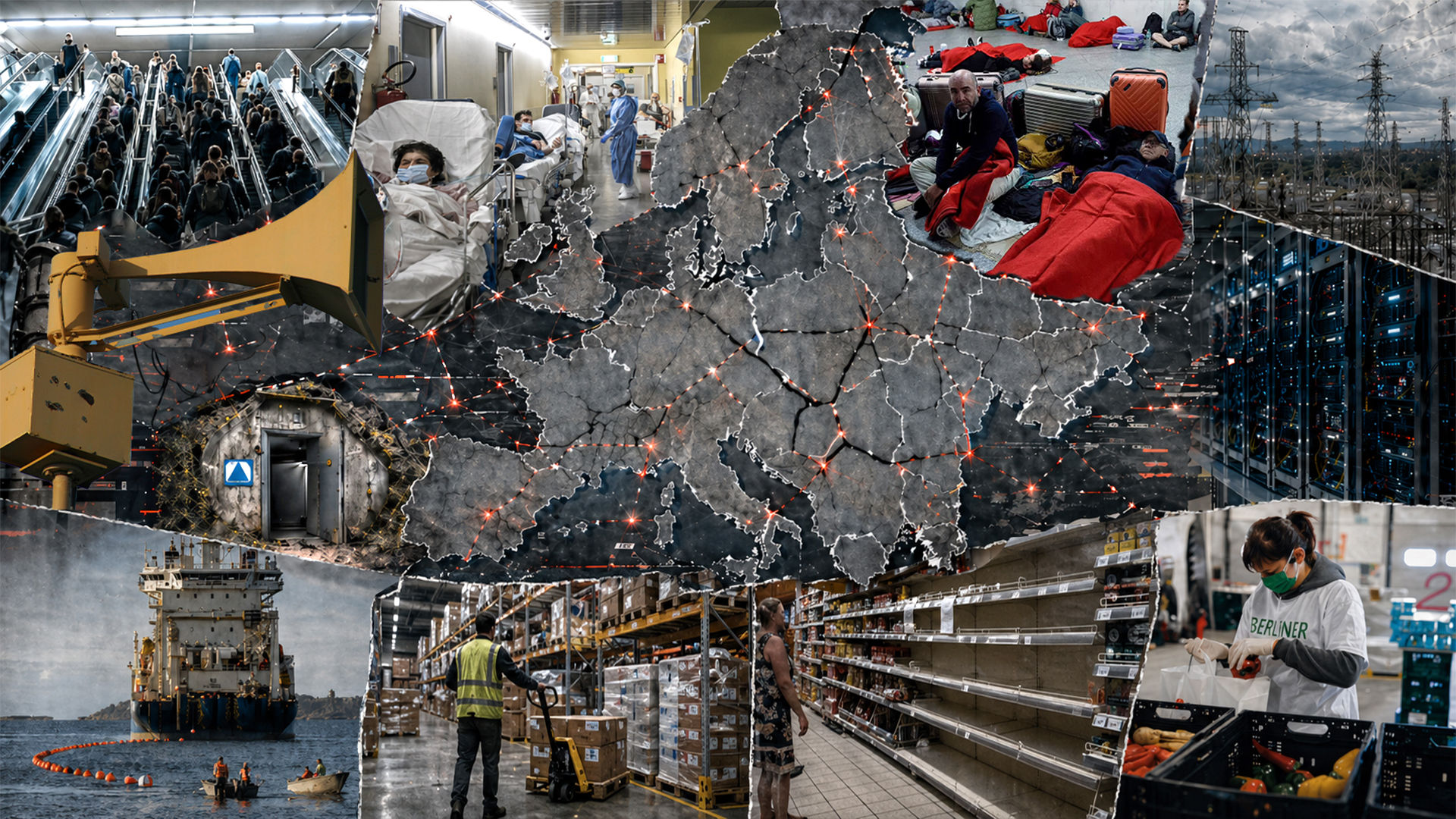
The authors note that only a few Nordic countries are making serious attempts to build a modern civil defense system, while in most EU countries things remain as they have been – with a chronic lack of funding, no single line of governance, and weak private sector engagement. Governments have finally recognized the threat of Russia’s and China´s unconventional warfare, but they are struggling to properly fund and implement a civil defense that involves the whole society – from ministries to ordinary citizens.
In the experts’ opinion, the main challenge is a complete lack of effective coordination. Civil defense requires simultaneous work by dozens of actors: government agencies, regional and local municipalities, businesses, and civil society. However, a clear line of management and clear mandates are still missing. A shift from the ‘just in time’ model to a ‘just in case’ one, with backup arrangements and redundant supply chains, is hindered by the fact that the private sector is almost nowhere truly included. Even in Sweden and Finland, considered the leaders, their handsome-looking concept of ‘total defense’ is well behind any real preparedness due to red tape and a chronic lack of resources. Underscored separately is a cognitive vulnerability: public trust has become a critical strategic asset which may be ruined in a matter of days by Russian and Chinese FIMI, deepfakes and psychological operations.
As a result, Europe repeats its classical mistakes of the past decades. A long period of enjoying the ‘peace dividend’ has left its militaries and civil societies structurally unready for a serious crisis. Even NATO’s demand that 1.5 percent of GDP should be spent on defense and security is so vague that each country interprets it in its own way.
So, despite the mounting threats, Europe shows its accustomed inability to switch from strategies and reports to real action. Disunity, a chronic lack of funding and weak coordination make ‘civil defense 2.0’ look like still another piece of bureaucratic paperwork rather than a real shield. In the case of a serious crisis or a massive hybrid attack, most of the continent risks staying virtually unprepared. The time for buildup is almost over, and the habitual half-measures will not be helpful any longer.