World Center for Strategic Studies
From closed analysis to public debate
- MONTH
- YEAR

How Can the Netherlands Build a War Economy?
On March 30, Atlantische Commissie published at its web-site an article Hoe bouwen we een Nederlandse oorlogseconomie? The article analyzes the problems of building a war economy in the Netherlands. It is based on the research conducted by Rand Europe and commissioned by the Ministry of Defence of that country.
The author, Judith Huismans, is the research leader for defence, security and justice with the Dutch team of RAND Europe.
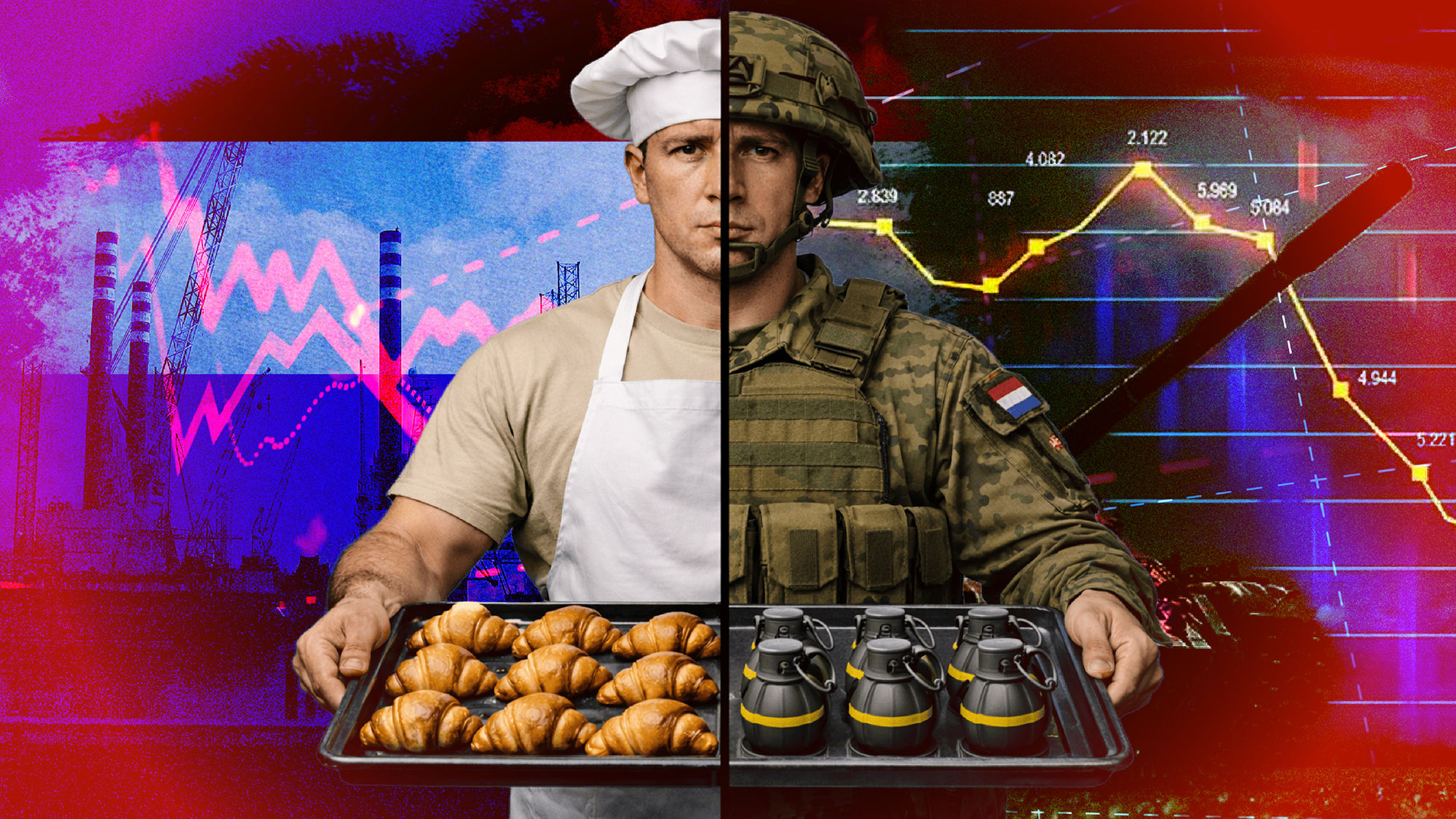
A “war economy” implies state intervention to prioritize the development of military production. The article analyzes the following state policies to create the “war economy”.
Number one. Building a “war economy” requires coordination within the EU and NATO. If there is no coordination, it will lead to the competition between different states for the same limited production capacity and resources.
In April 2025, the European Commission announced changes to the existing EU funding programmes aimed at strengthening the European technological and industrial defence base. The changes deal with the issues of financing and coordination as well as simplifying the procurement legislation.
Number two. Supplies from the countries that are not EU or NATO members, such as China, may lead to strategic dependency. These countries can use their dominant position in the supply chains to exert pressure. They can limit or stop the export of critical raw materials as in the case with the supply of Chinese rare earths stopped in April 2025.
That is why it is important to reduce the current dependency on third countries, such as China. At the EU level, it is the Critical Raw Materials Act. It is designed to strengthen the entire chain, from extraction to processing, and to diversify import. However, such initiatives are still at an early stage and the effectiveness of this act is not proven yet.
Number three. To increase wartime readiness of the Netherlands requires significant investments in the defence industry. Traditionally, inflation and the growth of public debt are the consequence of switching to a war economy.
For the Netherlands as part of the Eurozone, a significant portion of their response measures should be coordinated at the EU level. These measures may be taken as quantitative easing when additional money is poured into the economy.
Significant increase of the government defence spendings may lead to the increase of the public debt. Building a “war economy” will lead to inflation and the expenditures on public debt management.
Number four. A war economy will have serious consequences for the labour market. Cooperating with the EU is important to solve the problem of labour force shortage. To prevent competition for the hard-to-get labor force at the open labour market, the Netherlands will have to coordinate their efforts with the key defence partners within the EU. It is possible that such coordination would imply bringing in additional migrants.
The measures suggested in the article point out to the fact that the Netherlands are unable to build a war economy on their own. All the measures envisage the active role of the EU in coordinating, ensuring critical supplies, financing through emission and the growth of public debt, providing additional labour force. All this will increase the Netherlands’ dependency on Brussels.