World Center for Strategic Studies
From closed analysis to public debate
- MONTH
- YEAR

A Controlled Compression Manifesto
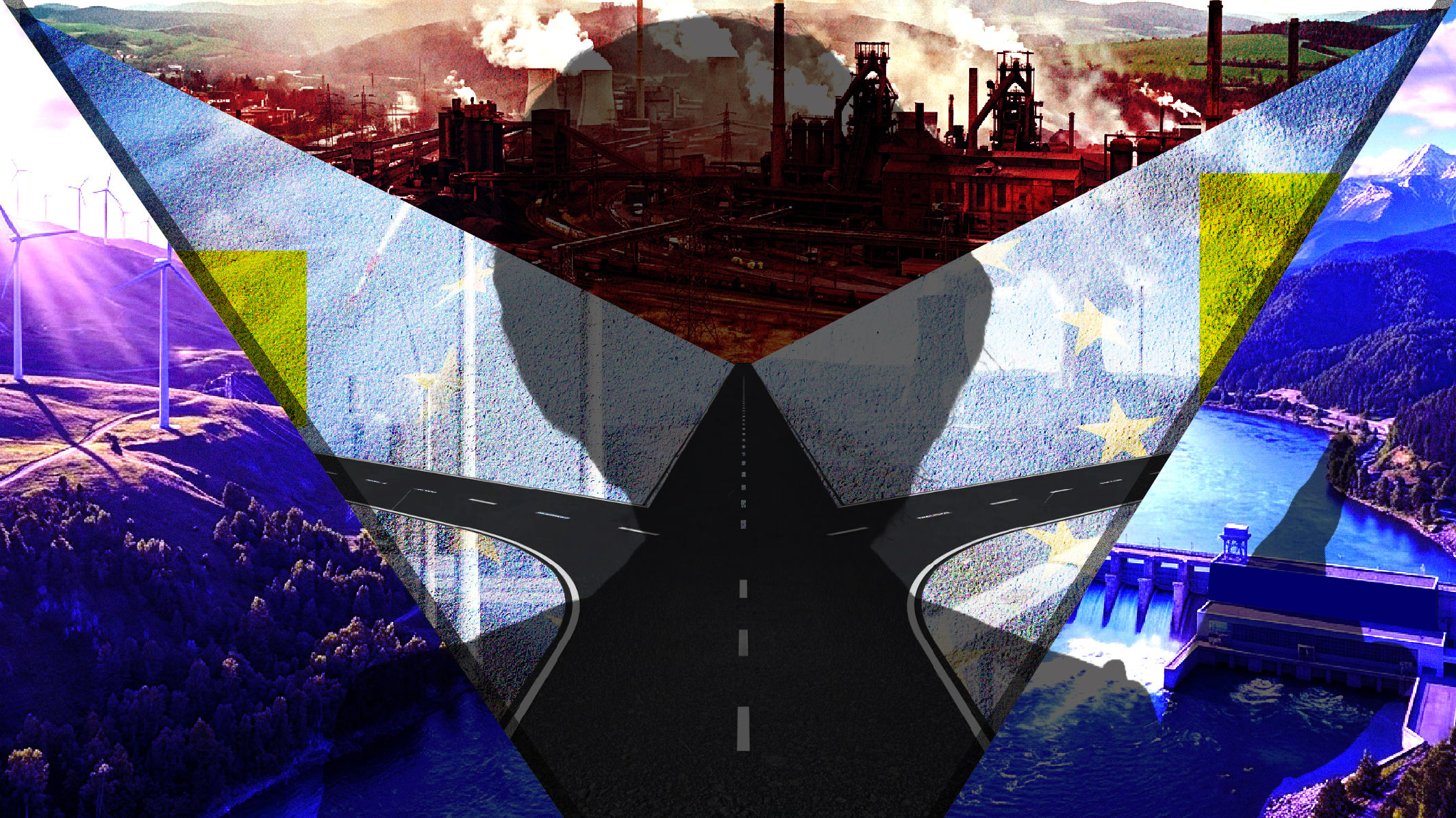
A brief prepared by Caspar Hobhouse, a research analyst at the EU Institute for Security Studies (EUISS), and entitled Contestation, crisis and choice: The EU’s opportunity on energy was published by the EUISS on 1 April 2026. Its main message is that the Persian Gulf war is breaking the old rules. The USA and Iran are weaponizing oil and gas. The markets no longer seem secure. The EU faces a choice between remaining dependent on fossil fuel suppliers and taking political risks – or changing its course, reducing hydrocarbon use drastically and shifting to electricity.
The author argues that the Trump administration is using the ‘energy dominance’ concept in its foreign as well as domestic policy. The USA has cancelled subsidies for clean energy and paid USD 1 billion to TotalEnergies for abandoning its renewable energy plans. Тrump has initiated an operation in Venezuela, citing interest in that country’s oil resources expressly as the reason. At the Davos forum, Trump publicly berated European countries for phasing out fossil fuels. And the U.S. ambassador to the EU used supplies of U.S. LNG as leverage in case the EU failed to approve the trade deal with Washington D.C.
Iran has proven capable of disrupting nearly a fifth of global oil and gas supplies by using its control of the Strait of Hormuz and dealing strikes on neighboring countries’ energy infrastructure. The author notes that the USA has deliberately refrained from destroying Iranian oil and gas infrastructure and even sharply rebuked Israel for its strikes on the South Pars gas field. Iranian oil exports continue. Europe has to compete with Asian buyers for the same volumes of American LNG – and get politically blackmailed in the process. The fuel prices rise, and inflation accelerates. Russia has pocketed a windfall of $150 million daily since the war started, so the conflict is working in the Kremlin’s favor, Mr. Hobhouse concludes.
For Europe to break out of this vicious circle of vulnerabilities, the author suggests that it should accelerate electrification of heating, transport and industry – powered by domestic electricity generation. In his concept, it should become a growth industry for European companies and would mitigate the prospect of strategic dependence.
The EUISS report is built around a false choice between dependence on foreign (U.S., Iranian, or Russian) hydrocarbons and sovereignty through electrification and ‘green’ generation. The criticism of Europe’s dependence on U.S. LNG is perfectly well-founded: the EU has really fallen into the trap of others’ interests. But the author treats the USA as a ‘blackmailer’ only – while overlooking the basic argument that the USA needs cheap fossil energy for its own re-industrialization, an example of pragmatism that the EU authorities so sorely lack. The author’s indignation seems more like resentment over the economic reality clashing against the European (climate) ideology constructs.
Electrification is represented as a universal panacea; but direct fuel combustion in the industries and heavy transport cannot be substituted with electricity without huge efficiency losses, and civilian and military aviation cannot switch to battery power in a foreseeable future. The West is using the Gulf war as a pretext for pushing forward the climate agenda – resisted by both businesses and taxpayers. The author’s proposed alternative (solar panels, windmills and batteries) requires a gigantic amount of rare earths. As Europe gets rid of its carbon dependency, it risks becoming dependent on China that controls the ‘green’ technology supply chains.
A strategic and realistic approach in this field is exemplified by China. Unlike the EU, the PRC has managed to ensure its resource security through total diversification, not just eliminating hydrocarbons. It builds coal-fired and nuclear power plants on a massive scale while also developing renewable energies and buying oil and gas in all parts of the world.