World Center for Strategic Studies
From closed analysis to public debate
- MONTH
- YEAR

A Flimsy French Umbrella: A Belief Instead of Real Protection
Not trust but a belief in words – this is what the French nuclear initiative for Europe aims to elicit. Nick Witney, senior policy fellow at the European Council on Foreign Relations (ECFR), makes this conclusion in his article Under my parapluie: Macron’s nuclear guarantee for Europe published on 17 March, 2026.
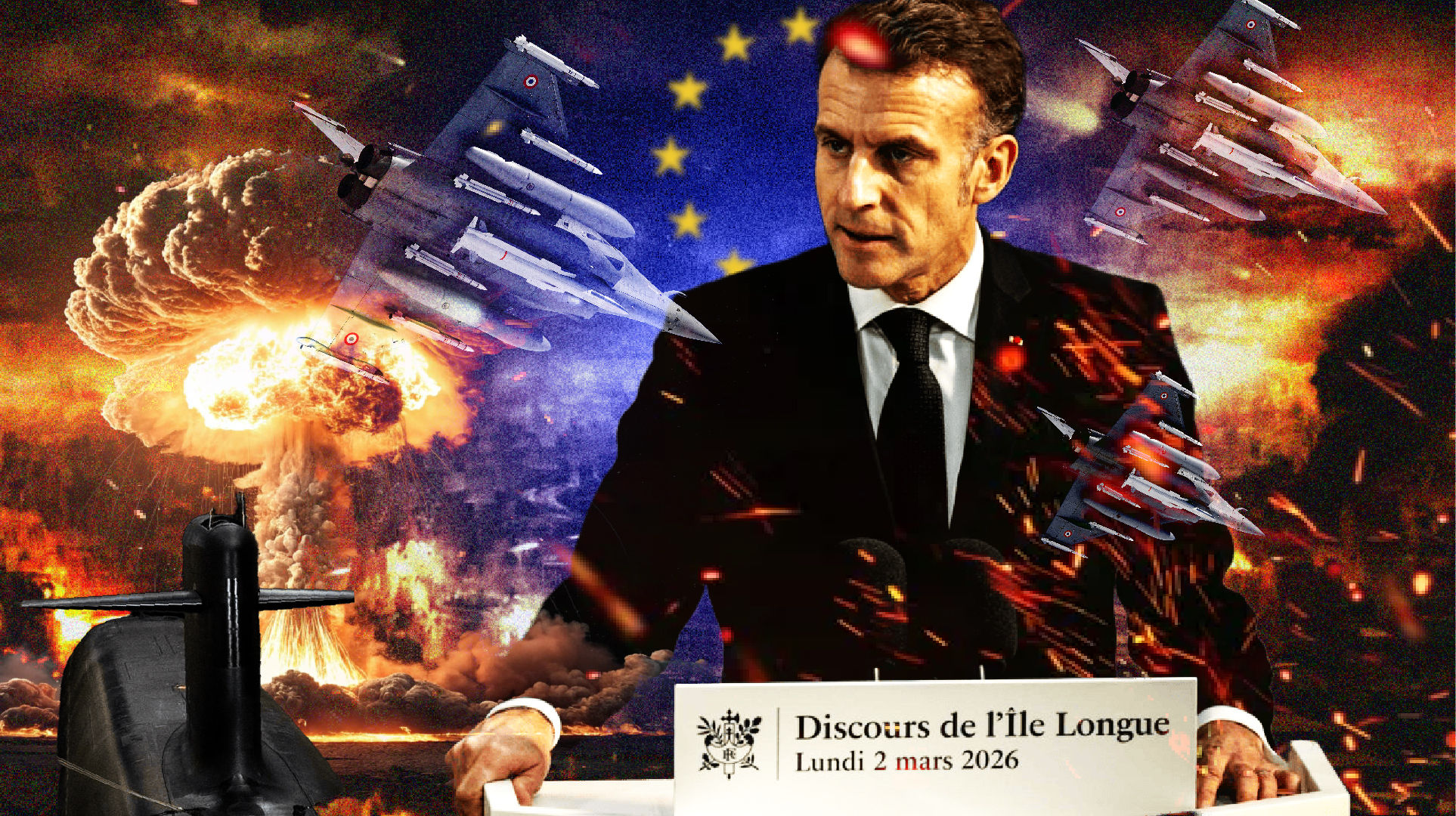
President Emmanuel Macron actively promotes his idea that the French nuclear arms will now cover all of Europe as well as France. This is presented as a big breakthrough and a step towards genuine European autonomy – especially as U.S. security guarantee looks increasingly precarious and Russia is increasingly aggressive. But when one delves deeper, one understands that it is an attempt to create an illusion of protection, rather than a real and reliable shield.
Here problems lie at two levels. The first one is purely technical and that of numbers. France possesses some 290 warheads (and plans a small increase). This is the world’s fourth arsenal but clearly insufficient as against contemporary Russia’s. The Russian nuclear capability numbers some 1500 strategic warheads deployed and just as many tactical ones. The doctrine of ‘minimum deterrence’ that France and the UK have used since the Cold War era no longer works as it used to. Europe lacks the margin of security and redundancy granted by the U.S. arsenal. Even the new warheads will not solve the problem of Russia’s multi-layered air defense.
Secondly and perhaps most importantly, there is the question of confidence and preparedness. Macron has made it clear that the final decision to use nuclear weapons rests exclusively with the French president. All the talk about joint exercises, intelligence sharing, and possible stationing of Rafale aircrafts with nuclear-tipped missiles is handsome political theater at best. In fact, allies are asked to simply believe the promise that at a critical moment Paris will escalate to a nuclear level in their interests, not just its own.
This is compounded by political instability. Already in 2027 France may elect quite a different president with a different vision of foreign policy. Any arrangements that Macron could make in his remaining time in office may well be revised. Europe repeats its previous mistakes in trying to fix everything with one ambitious nuclear statement, rather than concentrating on the principal threat and embarking on a serious buildup of its conventional arms and industry. In the meanwhile China applauds, for Europe’s disunity and dependence on one person play into its hands.
Rather than a reliable protection, Macron’s nuclear umbrella looks like a new European illusion. Allies have to rely on the personal appeal of the French president whose term in office will soon expire, while their real capabilities and political will remain quite limited. With U.S. guarantees getting weaker and Russia and China mounting their pressure, this pattern only strengthens the sense of fragility and uncertainty. Europe is again engaging in wishful thinking, which adds to concerns about the continent’s future.