World Center for Strategic Studies
From closed analysis to public debate
- MONTH
- YEAR

The weak point: Why pharmaceutical security belongs at the heart of European defense
On 10 April, an article entitled “The weak point: Why pharmaceutical security belongs at the heart of European defense” was posted on the website of the EU Institute for Security Studies (EUISS). It examines the issues involved in supplying the EU with pharmaceuticals and ingredients for their production and with Europe’s increasing dependence on China in this field.
China and the United States are using trade dependencies to advance political and economic interests. And this is not only about rare earths and semiconductors. Another area is just as vital: pharmaceutical ingredients.
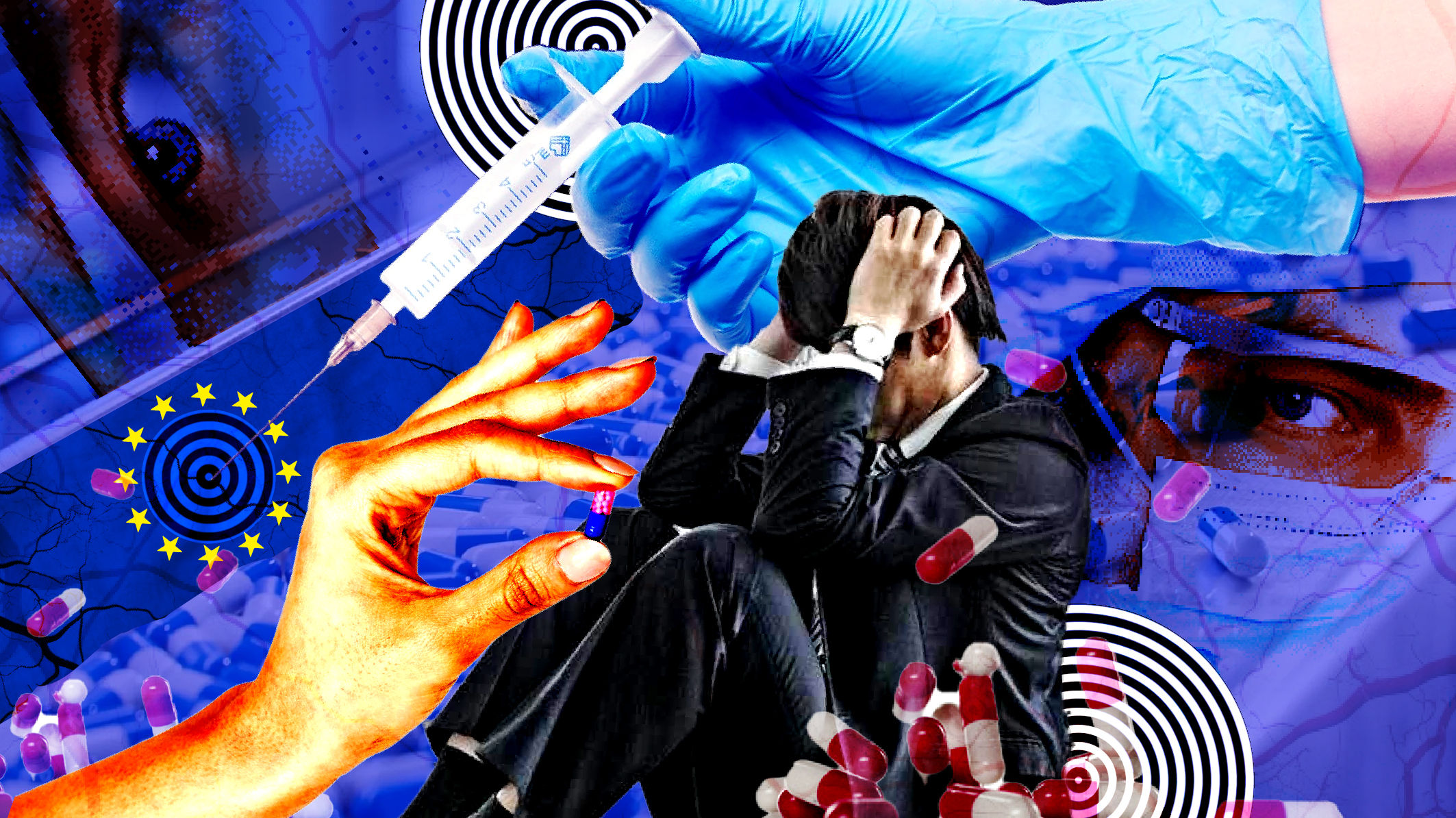
A year ago, in spring 2025, 11 EU health ministers warned in an open letter that Europe’s dependence on Chinese medicines was the weak point in Europe’ s security. The ministers warned that even routine surgery could become risky without enough antibiotics.
To inquire into the problem, the authors studied the supply chains of 56 ingredients, that are the core substances in medicines. Considered were ingredients of painkillers, antibiotics, and diabetes medications, for which dependencies on China were identified. This is particularly true for generics, or off-patent drugs, which account for about 80 percent of the EU’ s medicine supply.
Europe’ s dependence on China is even more pronounced at the precursor stage, i.e. for the chemical inputs needed to produce active pharmaceutical ingredients. For example, the production of the antidiabetic metformin and the antibiotics amoxicillin and cefpodoxime is dependent on China: up to 83 percent dependence for metformin, 71 percent for amoxicillin, and 94 percent for cefpodoxime. Even when pharmaceuticals are imported from other locations such as India, the EU remains ultimately dependent on Chinese supplies of precursors.
China’ s strength in pharmaceuticals is not accidental. It results from decades of an industrial policy built on two pillars: generous state support and a largely protected domestic market.
China aims to become a leader in innovative pharmaceutical research. Since 2013, patent filings by Chinese pharma companies have risen by 440 percent, while they have fallen by 10 percent in Germany. The value of Chinese drug licensing deals has risen from USD 52 billion in 2024 to USD 157 billion in 2025.
A review of listed Chinese pharmaceutical companies shows that, on average, each receives more than EUR 3 million a year in support for production capacity and research and development, with the real figure likely being much higher.
Europe would struggle to replace a loss of Chinese supply in the short term. EU firms cannot rapidly build new generic capacity, so today’s first priority should be to prevent existing production in Europe from disappearing.
Measures like the development of research and process innovation across the pharmaceutical value chain and partnerships with third countries to secure alternative sources of supplies can yield results in the long run only.