
World Center for Strategic Studies
From closed analysis to public debate

- MONTH
- YEAR

The Royal Navy: On Course for National Embarrassment
An article entitled “The Royal Navy: On Course for National Embarrassment”, about the decline of the British Royal Marine and the causes thereof, was posted on the website of the Center for European Policy Analysis (CEPA) on 12 March. The author is James Fennell, a Navy veteran, Fellow of the Royal Geographical Society, an international peace and security expert.
2026 has been a horrible year for Britain’s Royal Navy, whose strength has fallen to a historic low. It emerged that the navy could not send an advanced destroyer for the defense of Cyprus after a UK air base came under drone attack on March 2.
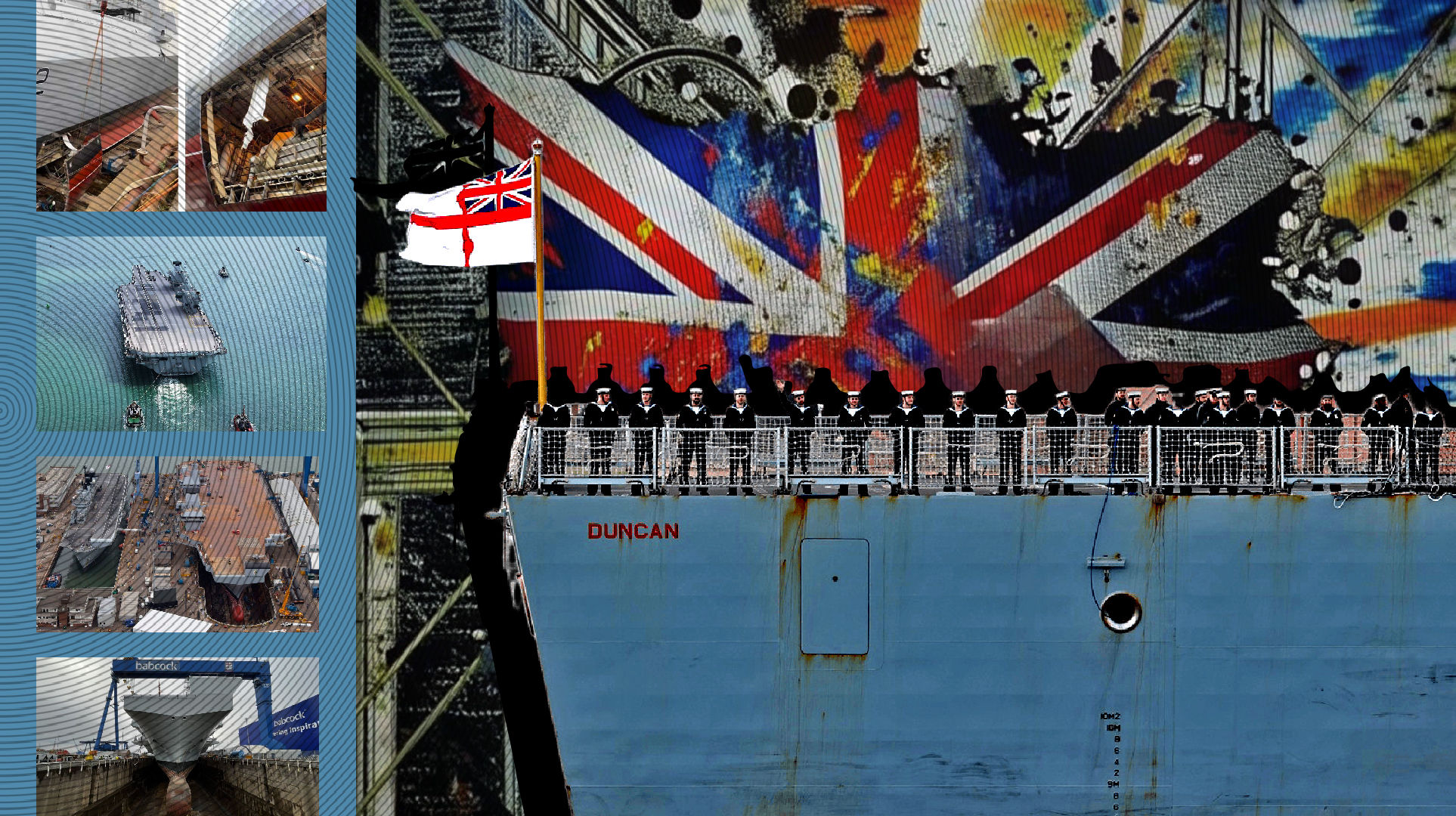
Right now, the Royal Navy fleet looks like a construction site. All of the major classes of warships, without exception, are in various states of retirement, repair, construction, training, or crew regeneration. Some relatively new ships are uncrewed as they await sufficient trained manpower and funding. Of just 13 destroyers and frigates, only around four are at sea. It’s the same story with attack submarines, where only one of the five vessels is known to be operational
This condition results from the UK’s history of NATO membership and the changes brought about by the end of the Cold War.
NATO membership and the 1958 Anglo-American Mutual Defense Agreement led to a withdrawal of forces ‘east of Suez’ beginning in 1967. The bulk
of these were maritime. Britain gradually ceded its global maritime responsibilities to the USA.
This strategy lasted until the end of the Cold War. Thereafter, most politicians
assumed (and were rewarded by voters for assuming) that the era of permanent peace would continue.
The fighting ships needed during the Cold War to confront the Soviet Navy – nuclear attack submarines, anti-submarine frigates, and air defense destroyers, – seemed less important now. Now the need was for more logistics ships, platforms for special forces, helicopters and humanitarian aid, and patrol ships to police the small wars of the era.
More money was also needed to invest in soft power to underpin the transition to democracy and free market economics in former communist nations in Central and Eastern Europe, Africa, and Asia.
The outcome was a dramatic cutback on shipbuilding and support infrastructure for the navy’s fighting power. The research and development institutions, workforces, infrastructure, and training needed to confront a peer adversary began to wither on the vine. Politicians were reducing maritime capability in order to deliver short-term political priorities to counter terrorism, support humanitarian intervention, and promote concepts like ‘Global Britain’.
The navy was pared back to the ability to deliver and protect the nuclear deterrent and generate an occasional (every three to four years) carrier strike group to support US foreign policy objectives.
The year 2022 exposed the foolishness of this posture. Yet the inertia within Britain’s political leadership, within the Ministry of Defense and among the current generation of naval commanders, is still there and keeps defense not grounded in an appreciation of the importance of a balance of conventional fighting power, but in its utility in delivering short-term political policy goals.
The UK’s defenses can do nothing serious without more money. Spending 2.3% of GDP on defense is grossly inadequate.
The author asks whether either British politicians or the British naval establishment have the leadership or organizational capacity to reverse the trend that has turned a once-proud service into a national embarrassment.