World Center for Strategic Studies
From closed analysis to public debate

- MONTH
- YEAR

Europe can’t even move its own troops properly: the EU’s military mobility problem is a security risk
This EUISS brief delivers an awkward truth for Europe’s defence ambitions – the EU can talk about deterrence all it wants, but it still struggles with the basics of moving forces quickly across the continent. Roads, railways, bridges, ports, paperwork and national rules all slow things down. In a real crisis, those delays could be fatal. The report argues the EU must treat military mobility as a strategic priority, because right now Europe’s infrastructure and bureaucracy are undermining its own security.
Europe’s big weakness: you can’t deter if you can’t move
The EU has ramped up defence talk since Russia’s war in Ukraine, but mobility remains a weak link. The ability to shift troops, equipment and supplies across borders at speed is essential for reinforcement and deterrence.
The brief makes clear Europe is still not ready. It has a lot of soldiers and kit on paper, but the system to deploy them quickly is messy, slow and patchy.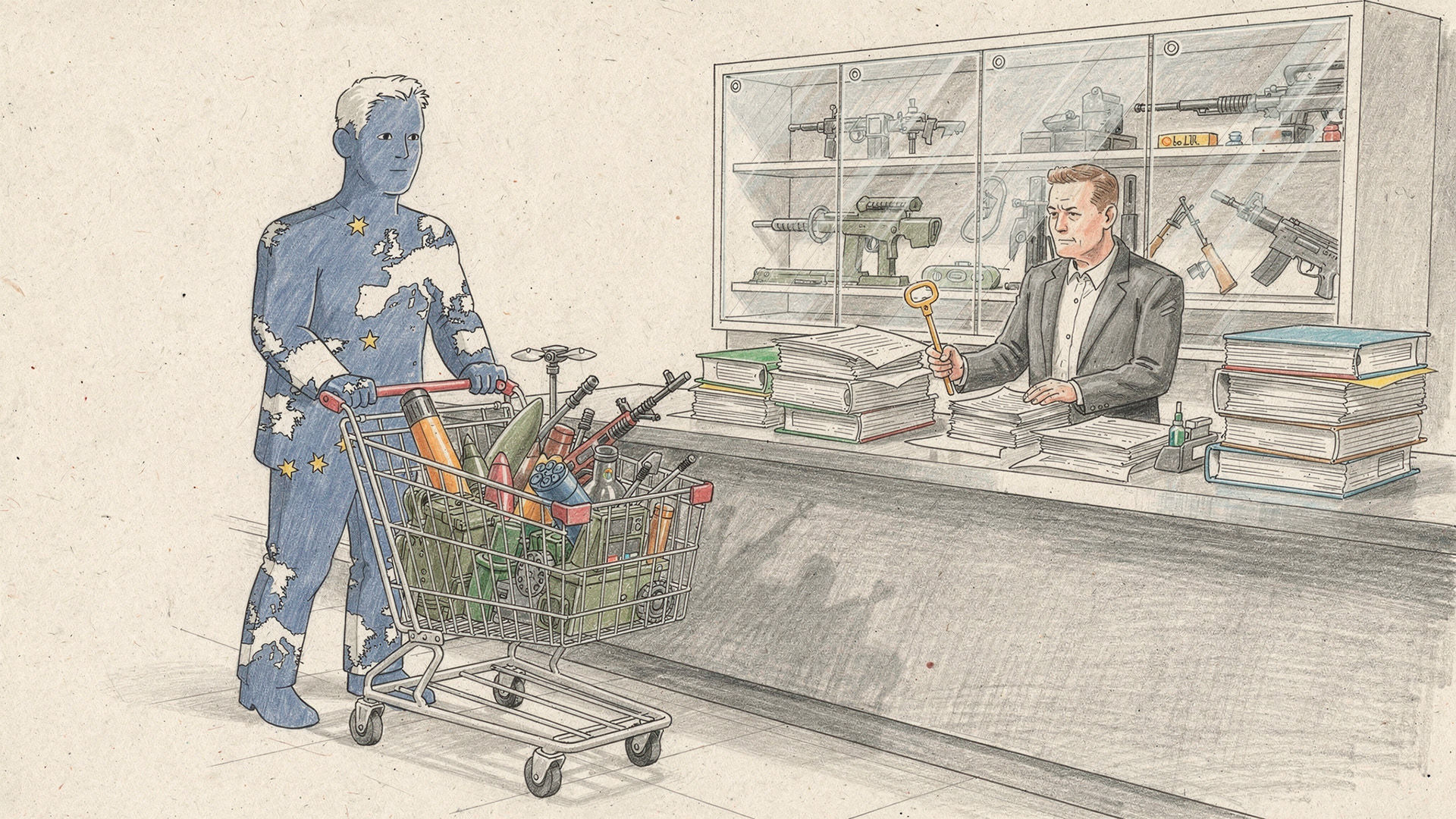

Infrastructure bottlenecks are everywhere
A major issue is physical infrastructure. Many bridges cannot carry heavy military vehicles. Rail systems vary across countries. Ports and airports have limited capacity for large-scale deployments. Road networks are not designed for fast military transport at scale.
Europe has modern infrastructure in parts, but it was built for civilian efficiency, not for wartime movement. When you test it under military requirements, the cracks show.
Bureaucracy slows Europe down more than any enemy
Even worse than concrete and steel is paperwork. Cross-border movement still involves national permits, inconsistent rules and administrative friction. Member states have different procedures and different risk appetites.
The result is absurd: Europe can deploy a battalion on a map faster than it can deploy one in real life. The report highlights that in a crisis, delay becomes vulnerability.
Europe is depending on NATO, but can’t deliver the EU side
Military mobility is often framed as NATO business, but the EU controls major levers: infrastructure funding, regulations and coordination. The brief argues that if the EU wants to contribute to European defence, this is where it must deliver.
Right now, Europe risks being the weak link in its own collective defence – needing reinforcement, but struggling to move it.
Funding and coordination problems still block progress
The EU has programmes and initiatives, but funding is limited and priorities compete. Military mobility needs long-term investment, not just short-term political attention.
Coordination between civilian infrastructure planners and defence needs is also weak. Europe is still not fully integrating military requirements into transport planning, meaning new projects can miss the mark.
Cyber, hybrid and resilience: mobility is more than transport
The brief also treats military mobility as part of resilience. Routes can be disrupted by sabotage, cyberattacks, misinformation and grey-zone operations.
Europe must protect not only its roads and railways but also the systems that manage transport and logistics. If digital infrastructure fails, physical movement can collapse.
What Europe needs to do: build, simplify, and speed up
EUISS argues for practical reforms: strengthen infrastructure to military standards, harmonise rules, speed up permits, and create faster cross-border procedures. It also calls for better data, planning and coordination with NATO.
The point is simple – Europe must stop treating mobility as a technical detail and start treating it as a strategic capability.
What this means: The EU is weaker than it admits
Europe wants to look strong, but its mobility weaknesses expose how unprepared it still is. In a crisis, the EU could find itself unable to move forces fast enough, not because of enemy action, but because of its own infrastructure gaps and bureaucratic chaos.
If Europe cannot fix military mobility, its defense promises will remain hollow – and deterrence will look more like theatre than reality.