World Center for Strategic Studies
From closed analysis to public debate
- MONTH
- YEAR

Catching Up: Europe’s Path to Strategic Autonomy in the Defense Industry
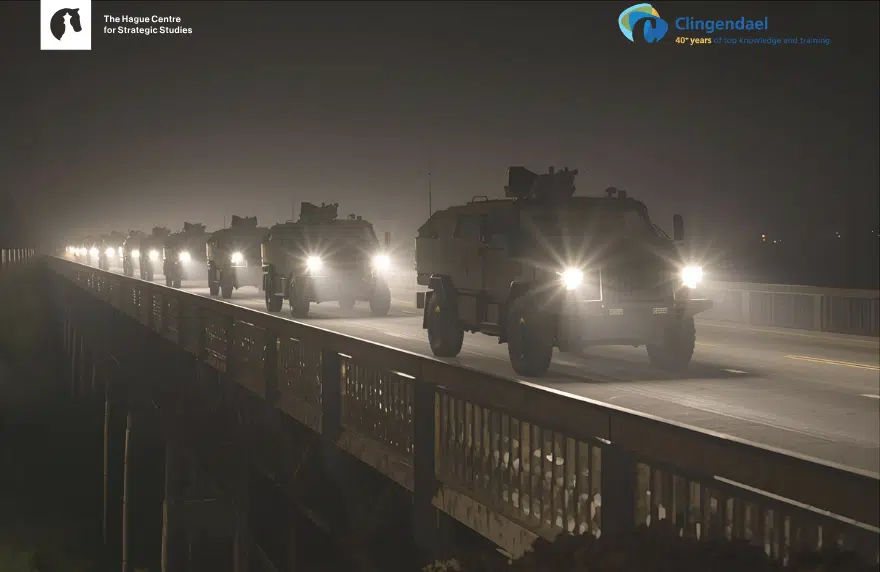
In April 2026, the Netherlands Institute of International Relations ‘Clingendael’ and The Hague Centre for Strategic Studies published an extensive joint analytical paper entitled Catching Up: Europe’s Path to Strategic Autonomy in the Defence Industry. It mostly deals with the European defense industry as the basis for achieving strategic autonomy in the defense area.
Strengthening the European defense industry hinges on increased spending, primarily from member States. The NATO members’ 5% of GDP pledges and reforms in national defense approaches are already resulting in more spending and procurement. Back in 2024, before Trump’s new demands appeared, EU member States’ defense expenditure reached EUR 343 billion, a 19% increase from the previous years.
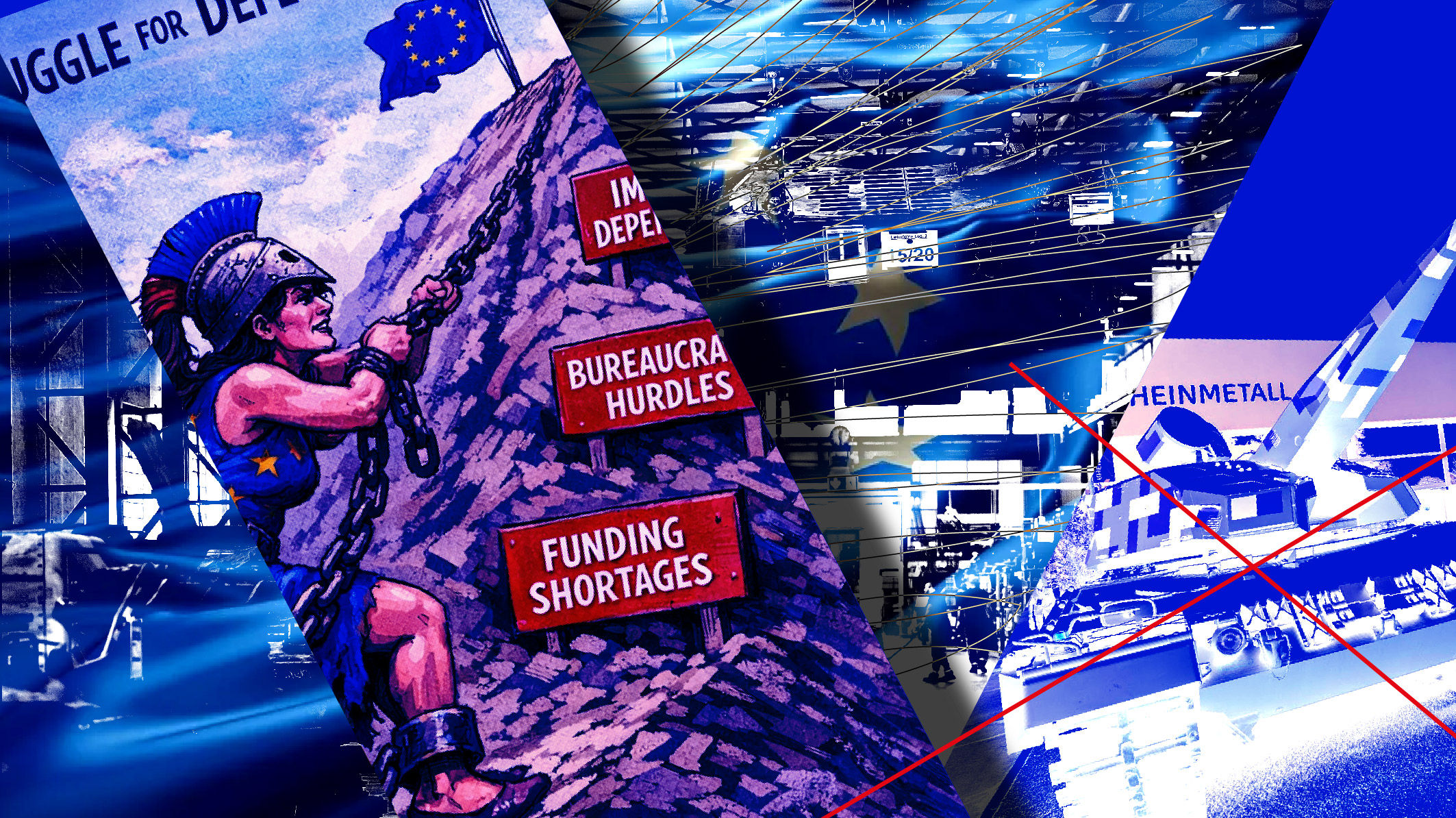
However, bottlenecks persist in European arms production. This is particularly evident in complex systems such as long-range air defense, strike capabilities, and armored vehicles. The production of Leopard 2 tanks, for example, is slow due to a lack of major orders, even though Franco-German manufacturer KNDS has acquired additional production plants.
Expanding production of complex systems is possible but requires secure long-term funding. For now, it depends too much on ad hoc or extra-budgetary spending. Manufacturers are willing and able to invest, but they require certainty of long-term contracts.
Another funding issue is the lack of funding for the stage from start-up to scale-up. Although investments in defense startups are increasing substantially, bureaucracy and obscure growth prospects cause small and medium enterprises, with their considerable growth potential, to leave Europe.
Labor resources are another problem. The shortage of skilled labor – a legacy of persistent underinvestment in the industry – is already forming a bottleneck for companies to meet the rearmament needs.
The defense sector employs around one million people and is expected to grow to 1.46 million by 2030. However, the EU is projected to potentially face a 3.9 million-strong talent gap by 2027. Critical needs include advanced manufacturing experts, for example in AI for autonomous systems, but also skilled trades like welders and technicians.
Europe is in short supply of important manufacturing components. High-grade steel and alloys are a particular weakness. After years of competition with cheap imports, notably from China, the European steel industry has contracted substantially. Similar dependencies exist on the USA and China for chemicals and dual use technologies. There is also a dependency on external suppliers in the digital
sphere: quantum technology, and artificial intelligence.
Despite the its 3% Research & Development (R&D) target, the EU still lags significantly behind the USA, which benefits from a more advanced and integrated R&D ecosystem spanning public, private, and foreign investment.
For example, the F-35 fighter jet’s ODIN software is contractually bound to American updates. The USA could effectively restrict the use of certain European-operated weapons systems by withholding software updates.
Industrial automation requires semiconductors below 10 nm, with leading designs reaching 5 to 3 nm. Europe has limited capacity in this range and cannot produce semiconductors smaller than 7 nm.
Coordination is also a challenge. National industries used to develop in isolation, which led to a high level of redundancy and duplication. The ten different howitzers in Ukraine provided by EU members and the twelve different tanks in operation are a symptom of this disease.
Fragmentation in the European defense sector precludes the economies of scale required. The EU cannot sustain a large and efficient industry if every country buys and builds separately.
European countries have traditionally competed to export their arms. Europe gets caught in a contradiction in planning its common defense, as R&D and investments largely occur in national silos while strategic defense autonomy is pursued at the EU level and even within a broader set of NATO allies (including the United Kingdom and Norway).
Whether national governments will agree to have their sovereignty curtailed even more by a common defense industrial policy – and whether European defense corporations will embrace subordination to EU managing bodies – remain unanswered questions until now.