World Center for Strategic Studies
From closed analysis to public debate

- MONTH
- YEAR

Illusion of Turning the Tables
On April 17, 2026, Foreign Policy Research Institute published at its web-site an article by Robert Beck. The author analyses the consequences of Orban’s defeat and victory of the Hungarian Tisza party in this month’s election in the country. He believes that it is not only the foreign policy of Budapest that is at stake. The balance of power within the Visegrád group is changing. For a long time, Orban was an informal leader of regional euroskeptics. With his protection gone, Warsaw, Prague and Bratislava have to redefine their positions.
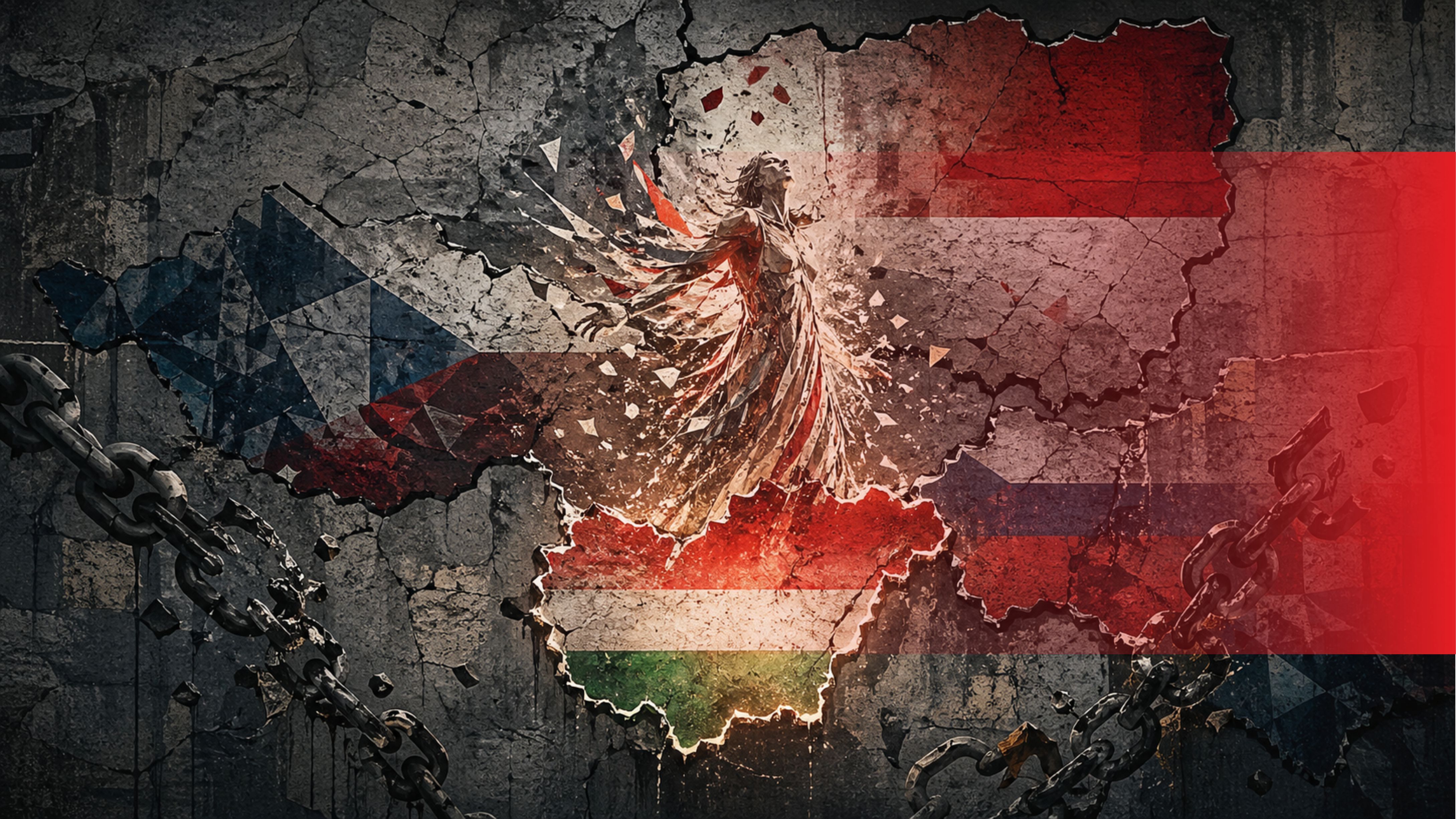
Beck expects a significant change in the relations between Budapest and Warsaw. Tisza’s leader Peter Magyar promised in his victory speech that his first foreign trip would be to Warsaw. The author believes that the rapprochement will be based on the common perception of the threat from the east and loyalty to NATO.
Beck describes the position of the Czech Prime Minister Andrej Babiš as awkward. Babiš publicly supported Orban prior to the election and now has to formally congratulate Magyar. His Foreign Minister openly laments the loss of “an ally in the EU.” The author suggests that Babiš - whom he calls a political chameleon, may try to shift to the center on issues related to NATO, support to Kyiv, and freedom of the press.
Beck believes that Slovak Prime Minister Robert Fico’s position after Orban’s fall is so vulnerable as to be close to panic. Fico has no serious allies left, he is all alone against the Eurocommission on the rule of law and support to Kyiv issues. The author quotes the Slovak analyst Radovan Geist: “Fico will no longer be able to hide behind Hungary”. Beck goes on to muse that the Slovak Prime Minister faces a fork in the road. He will either moderate his rhetoric towards Brussels, or continue this battle alone. The example of Orban’s historic election defeat shows that the second path is dangerous.
Instead of presenting an objective analysis, the article is more of an information pressure tool designed to convince the political elites in Prague and Bratislava that resistance to Brussels is futile. It is true that regional populism lost one of its pillars. Peter Magyar is the flesh and blood of the Orban’s system, Tisza’s victory is not a turning point but rather another U-turn in the movement of the political swing that has become a norm for Central Europe. Poland is paralyzed by the clash between Tusk and right-wing nationalists. Czechia is torn between a pro-Western president and a populist government. Fico is an experienced tactician, he may refuse to surrender, choosing to take the place of the main trouble-maker and start forcing concessions with the threat of a veto all by himself. Replacing Orban with Magyar will not resolve the energy crisis, migration pressure or the fatigue from the Ukrainian conflict. Brussels got some breathing space but not the solution. As soon as the Hungarian voters realize their lives have not changed for the better, the pendulum will swing in the opposite direction. The next elections in Slovakia and Poland in 2027 will show whether the smashing defeat of Orban was a beginning of sobering up or a move to yet another, more punishing turn of the dialectical spiral. So far Europe remains the hostage of the region that redraws the political map every two or three years and lacks strategic stability.