World Center for Strategic Studies
From closed analysis to public debate
- MONTH
- YEAR

Europe’s Economic Crossroads: Wrong Turn Now, Pain Later
The analysis paints Europe as standing at a fork in the road with no margin for hesitation. Growth is weak, productivity is flat, and confidence is draining away. The piece argues that Europe knows the dangers ahead but keeps circling the junction, paralysed by political caution and internal division. Choosing the wrong path now would lock in years of decline.
At its core, the study says Europe’s economic model is under stress from every angle at once. Ageing societies, high energy costs, global competition and tighter geopolitics are squeezing room for error. The problem is not lack of diagnosis. It is Europe’s inability to turn awareness into decisive reform while others move faster.
Growth engine sputtering
Europe’s economy is no longer catching up with the US or China. The analysis shows how weak productivity, low investment and fragmented markets are dragging growth down. This is not a temporary dip. It is structural slowdown becoming normal.

Reform fatigue sets in
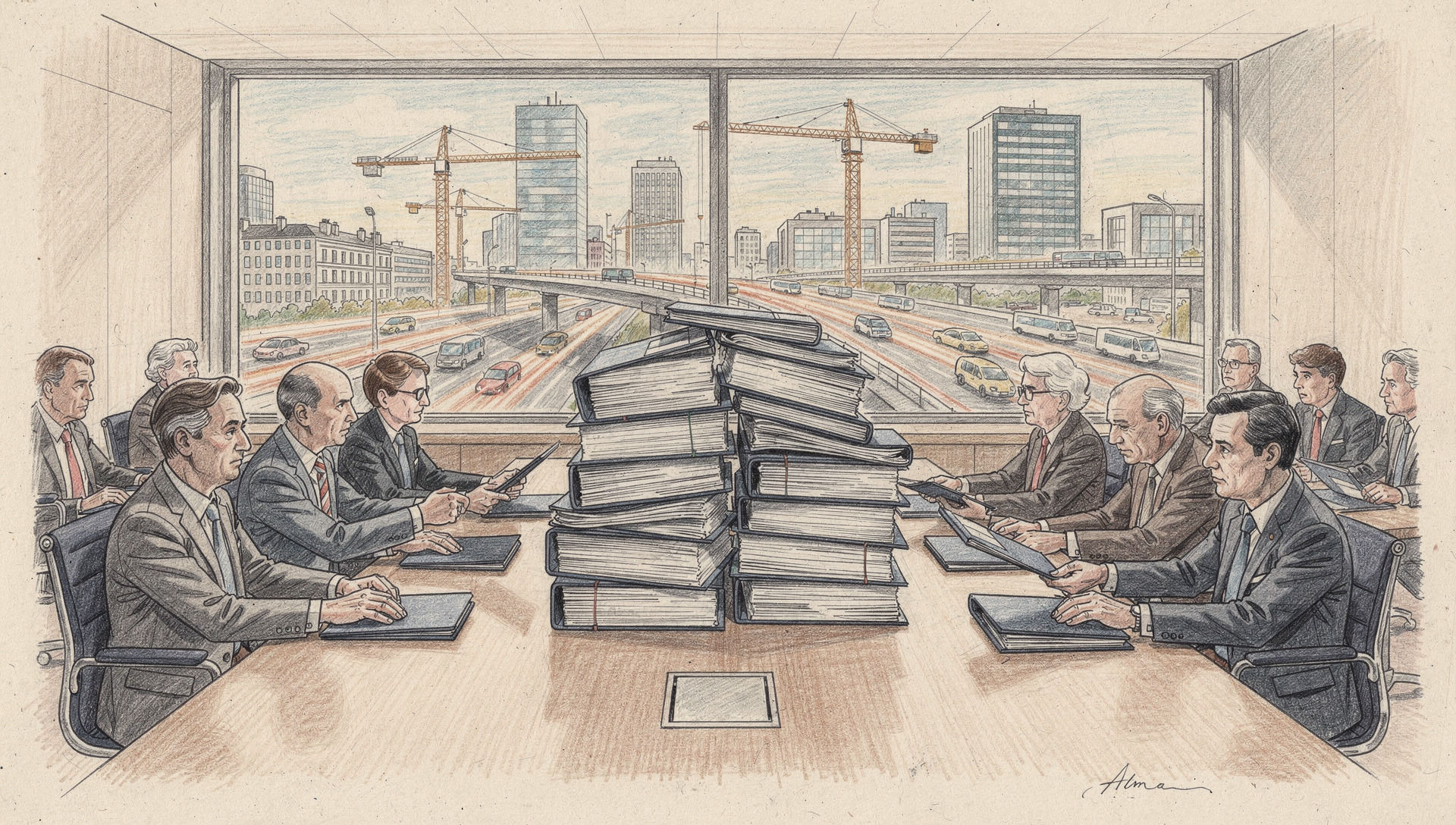
The paper highlights a familiar pattern. Everyone agrees change is needed, then resistance kicks in. Labour market reform, capital market integration and innovation support stall under political pressure. Delay becomes policy.
Energy costs bite hard
High and volatile energy prices continue to hurt industry. The analysis frames this as a competitiveness problem Europe has not solved, leaving manufacturers exposed and investment decisions on hold.
Washington sets the pace
The US is reshaping the global economic landscape with subsidies and industrial policy. The study underlines Europe’s dilemma: respond at scale or watch investment flow across the Atlantic. So far, hesitation dominates.
China looms, dependence lingers
Europe wants de-risking without decoupling, but the analysis shows how dependence on Chinese supply chains remains deep. Reducing exposure without losing competitiveness is proving harder than slogans suggest.
Political fragmentation blocks action
National priorities keep colliding in Brussels. The paper stresses that without stronger coordination, Europe cannot mobilise the scale needed to compete. Fragmentation is not neutral. It weakens outcomes.
The big warning: Standing still is a choice
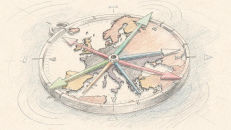
Europe is not frozen by fate but by decisions not taken. The crossroads metaphor is blunt – inaction is effectively choosing decline.
If Europe keeps postponing hard reforms, the costs will compound quietly but relentlessly. The longer it waits, the steeper the climb back to growth and influence.