
World Center for Strategic Studies
From closed analysis to public debate
- MONTH
- YEAR

From Rupture to Relevance: Investing in Europe’s Southern Partnerships
A report entitled From Rupture to Relevance: Investing in Europe’s Southern Partnerships was published on the website of the Netherlands Institute of International Relations (Clingendael) on 3 February 2026. Its authors are Megan Price, head of the Conflict Research Unit, and Máté Szalai, a research fellow at the same unit.
The report examines ways of altering EU policies in the regions of Africa and the Middle East as the USA destroys the former world order and the regional countries demand new approaches to cooperation with them.
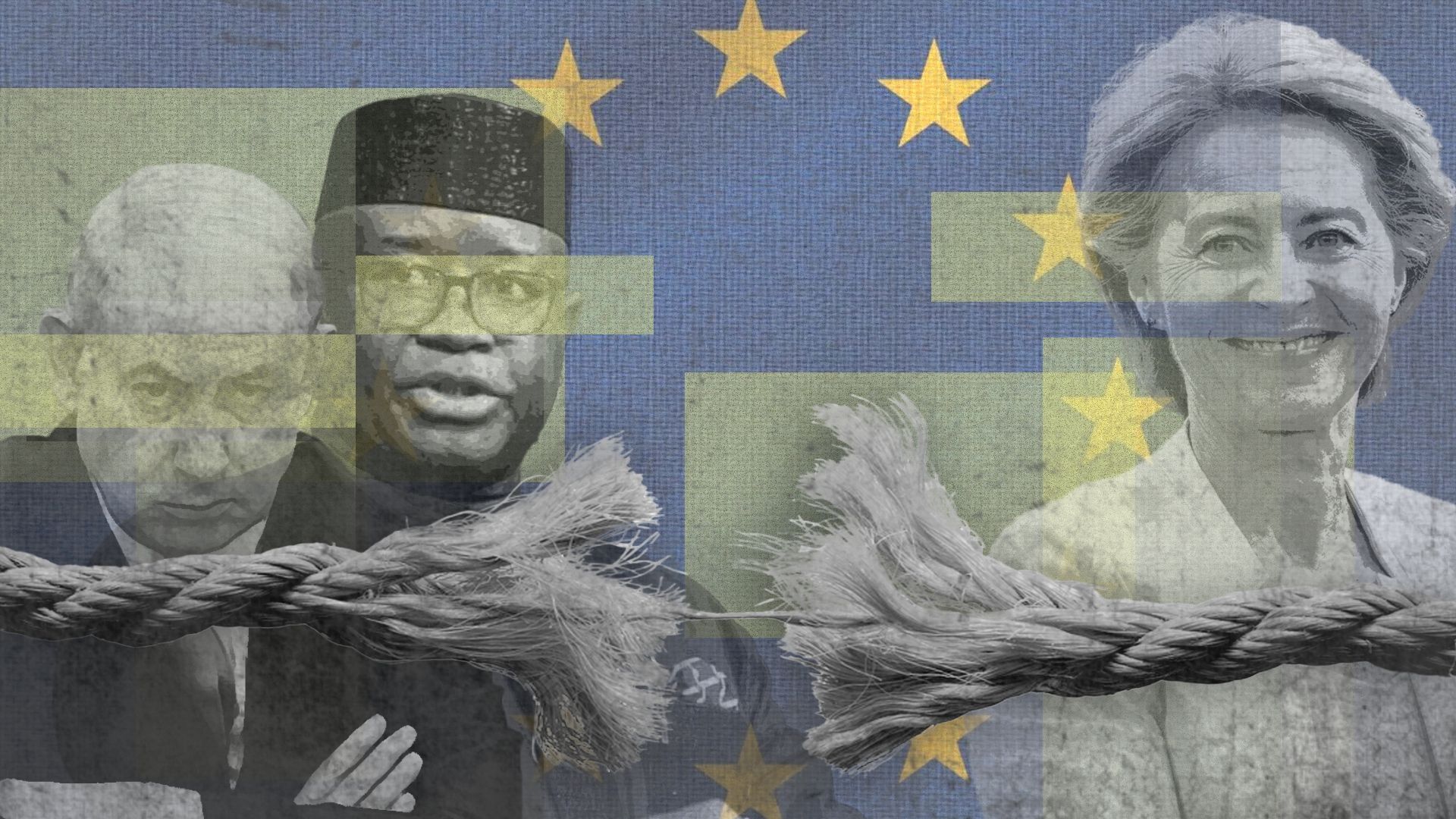
Africa and the Middle East are integral to Europe’s geopolitical, geo-economic, and security interests. For decades, the EU and its members have been pursuing their strategic interests in Africa and the Middle East, mainly through instruments of soft power: development cooperation, trade, diplomatic convening, and normative rhetoric. That enabled European actors to obscure trade-offs between interests and values. Europe projected influence through normative rhetoric and economic means, while implicitly relying on U.S. coercive capacity.
As interest-driven coercion becomes more explicit and US actions increasingly threaten the EU’s stated principles, this strategy has lost its viability.
Without adjusting its course, the EU risks getting confined to a contradictory set of unsatisfying positions. These include shadowing the American model of interest-driven coercion; clinging to norm-heavy rhetoric that lacks credible enforcement; and camouflaging strategic interests in principled language that convinces neither external partners nor domestic constituencies.
As the world order grows more multipolar, demanding strict alignment from others and overemphasizing the restoration of the previous West-centric order become a self-defeating strategy.
Europe needs to be more politically pragmatic in identifying where partnerships can be forged through mutual strategic interests – such as trade corridors, countering violent extremism and providing green energy – while still defending core normative principles.
The EU could gain a comparative advantage by positioning itself as a partner that tolerates multi-alignment and supports the emergence of a more balanced rules-based order.
Europe needs to attend to the regional theatres directly pertinent to its own physical and economic security. The EU’s relevance to partners in Africa and the Middle East will hinge not on rhetorical defense of norms but on whether it will show itself as a credible enforcer while maintaining its principles consistently and avoiding misreading regional autonomy as disloyalty.
That requires greater independence from the US, and also requires extending to others the autonomy the EU seeks for itself.