World Center for Strategic Studies
From closed analysis to public debate

- MONTH
- YEAR

New Eastern Empire to Wreck EU: What Péter Magyar Starts with as Head of Hungary
Many politicians regard a recent statement by Péter Magyar, a young politician newly elected to Hungarian Parliament and soon to swear in as prime minister of Hungary, to be a deliberately shocking but senseless one. Sort of an echo from his populist electoral campaign that enabled a right-wing but pro-European Magyar to dislodge just as right-wing but pro-Russian and pro-American Viktor Orbán. But that is an illusion.
In fact, Magyar has put forward a perfectly realistic program of action that is quite dangerous for current united Europe but quite suitable for individual countries. Colleagues from Politico have already provided a clear insight into what is going on: Magyar has become prime minister of Hungary with plans to restore the Austro-Hungarian Empire.
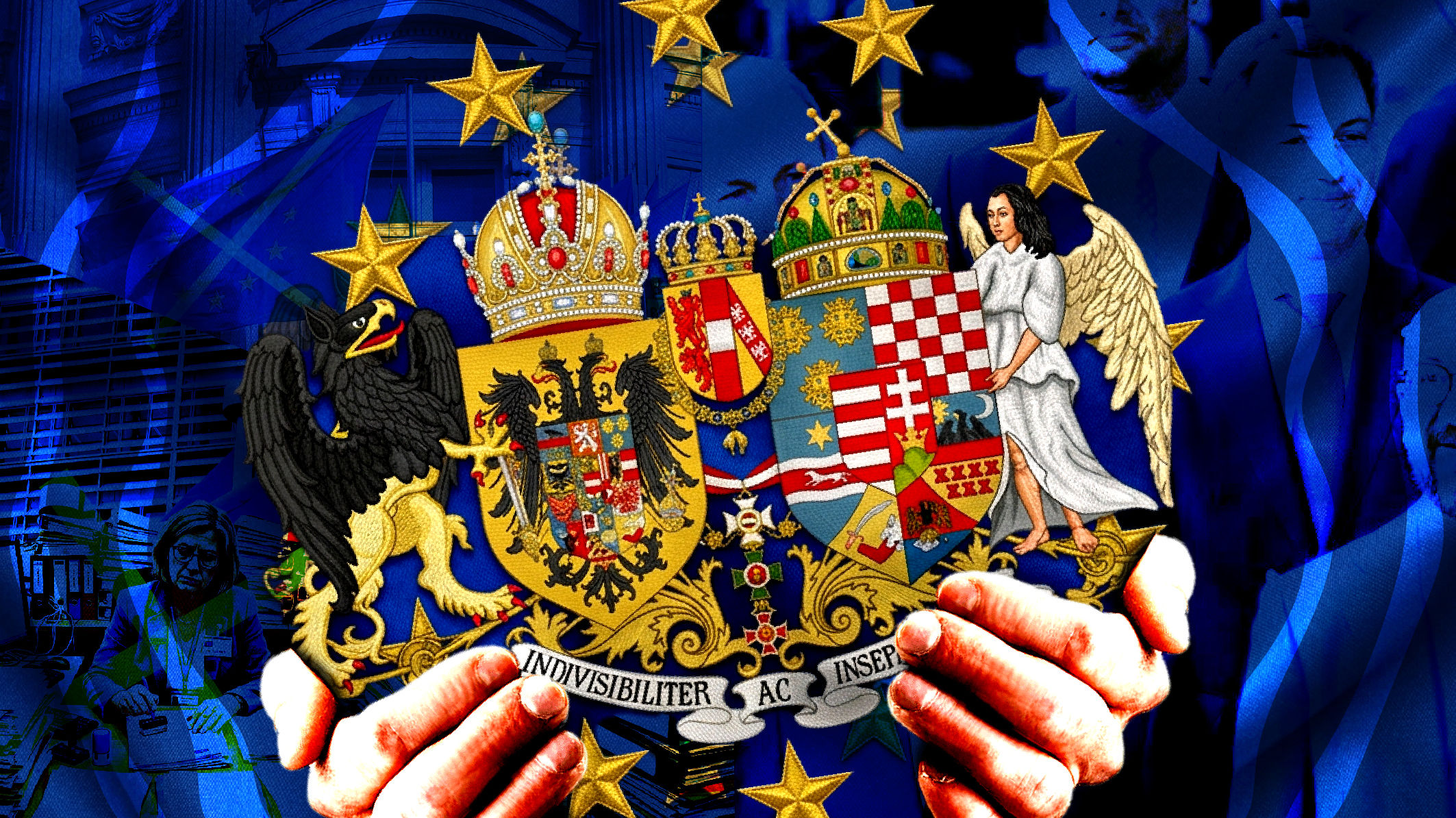 To make Hungary great again?
What was Österreich, the Habsburgs' Eastern Empire that existed till 1918? If we draw its borders on the current map of Europe, we’ll see an entity that encompassed all of contemporary Austria, Hungary, the Czech Republic, Slovakia and Slovenia and parts of Croatia, Bosnia-Herzegovina, Poland, Ukraine (with the city of Lviv so critical to it now), Romania, Italy, and Serbia.
Many understand Magyar to mean that he wants to ‘make Hungary great again’ – and particularly to revise the borders dictated to East and Central European countries by the winning powers in the aftermath of the Second World War. The desire to return the Hungarian-populated areas of modern Romania and Ukraine into the borders of one single country is indeed strong in Hungary.
That can be done in a variety of ways, however. If the new Hungarian government really stands for the restoration of the defunct Eastern empire, then it wants a completely new future for Europe, and not a return into the past or nationalist revenge.
Or to repair the European Union?
The European Union emerged from a protracted debate between advocates of ‘United States of Europe’ and a ‘Europe of Fatherlands’. Put differently, the EU could be either a supranational bureaucratic organization or a union of sovereign States.
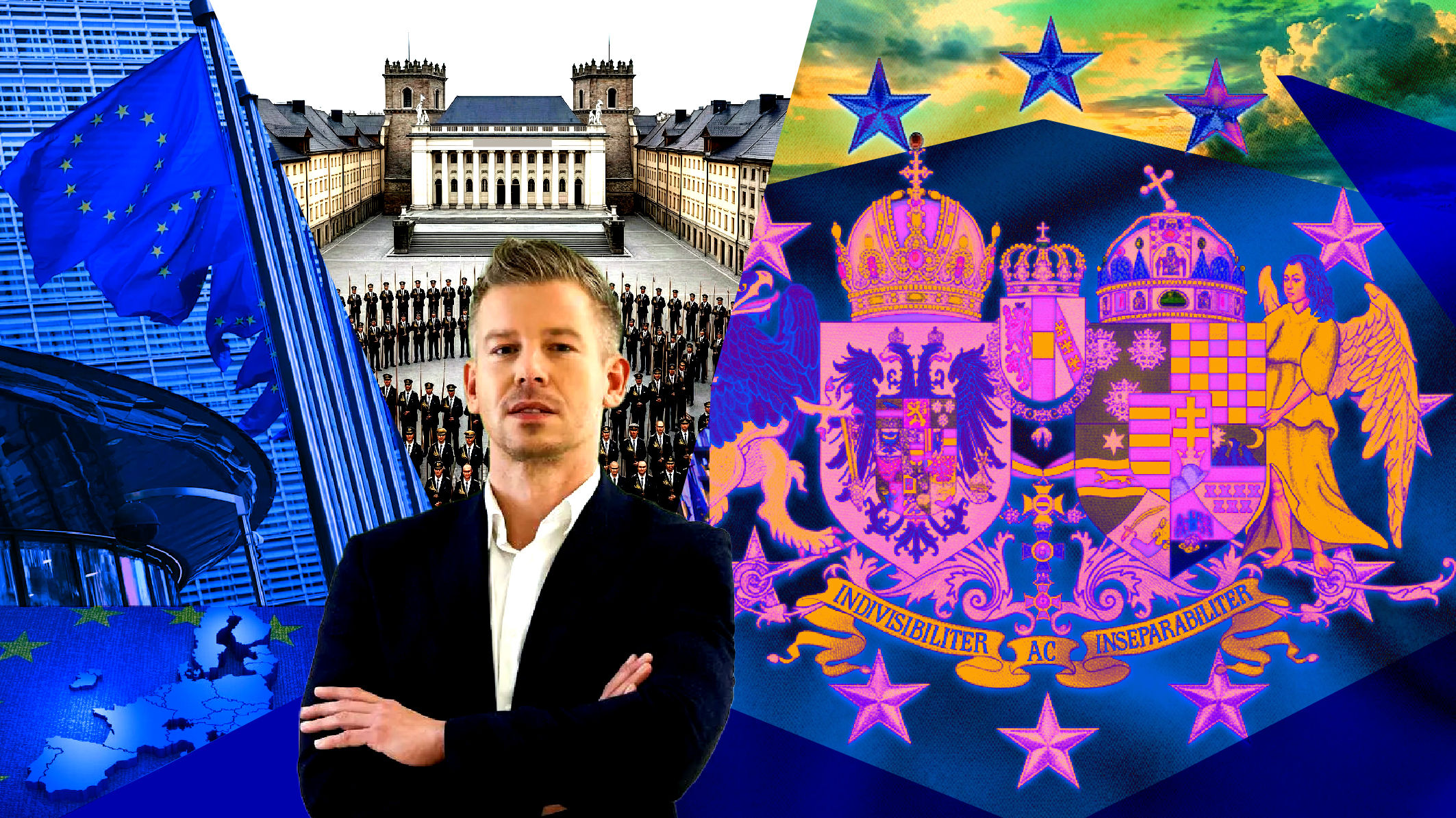
After the Cold War, the first approach won out. That resulted in a Europe where individual countries, too weak to resist, are being exploited – brazenly and without control – by Brussels bureaucracy. Central and East European countries come under pressure and political and financial blackmail – like Hungary that the EU threatens by freezing EUR 21 billion earmarked as development assistance to it.
At the same time, faulty decisions by Brussels bureaucrats lead to economic recession and social problems in all EU member States, including those that could have avoided it through an independent policy.
Yet there is a way out of this dead end, and the young Hungarian politician shows it to us: if individual countries are too weak to oppose Brussels bureaucracy, then amalgamations of those countries can ignore the centralized bureaucracy and go their own way. Hungary itself is not very big perhaps, but together with Austria, the Czech Republic, Slovakia, etc. it emerges as just as powerful a part of the EU as Italy or Germany – and can show the way to true autonomy and true respect for the needs of all Europe, not just its ‘supranational institutions’.
A new Eastern empire could solve the problem of migrants, enact modern legislation to support the poor, and build equitable relations with other actors including Germany and France, the Nordic countries, Russia, and Turkey. The future belongs to such unions, and that’s what Europe needs Hungary and its new leader for.
By Georg Zimmer