World Center for Strategic Studies
From closed analysis to public debate
- MONTH
- YEAR

Farewell to Human Security: Europe’s Values Get Squeezed Out
The analysis delivers a stark diagnosis of a quiet but consequential shift in EU thinking. Human security, once held up as a guiding idea that put people at the centre of policy, is fading fast. In its place comes a harder, narrower focus on borders, deterrence and state power. The piece argues that Europe is not openly rejecting its values, but steadily sidelining them under pressure.
At its core, the paper says the EU’s policy mindset has hardened in response to crisis after crisis. War, migration pressure, great-power rivalry and domestic backlash have pushed Brussels toward a security-first logic. The human security language remains on paper, but its influence on real decisions is shrinking.
People slip down the priority list
Human security was meant to link security with rights, welfare and protection of civilians. The analysis shows how this framing now struggles to survive when policies are judged mainly on control, speed and deterrence.
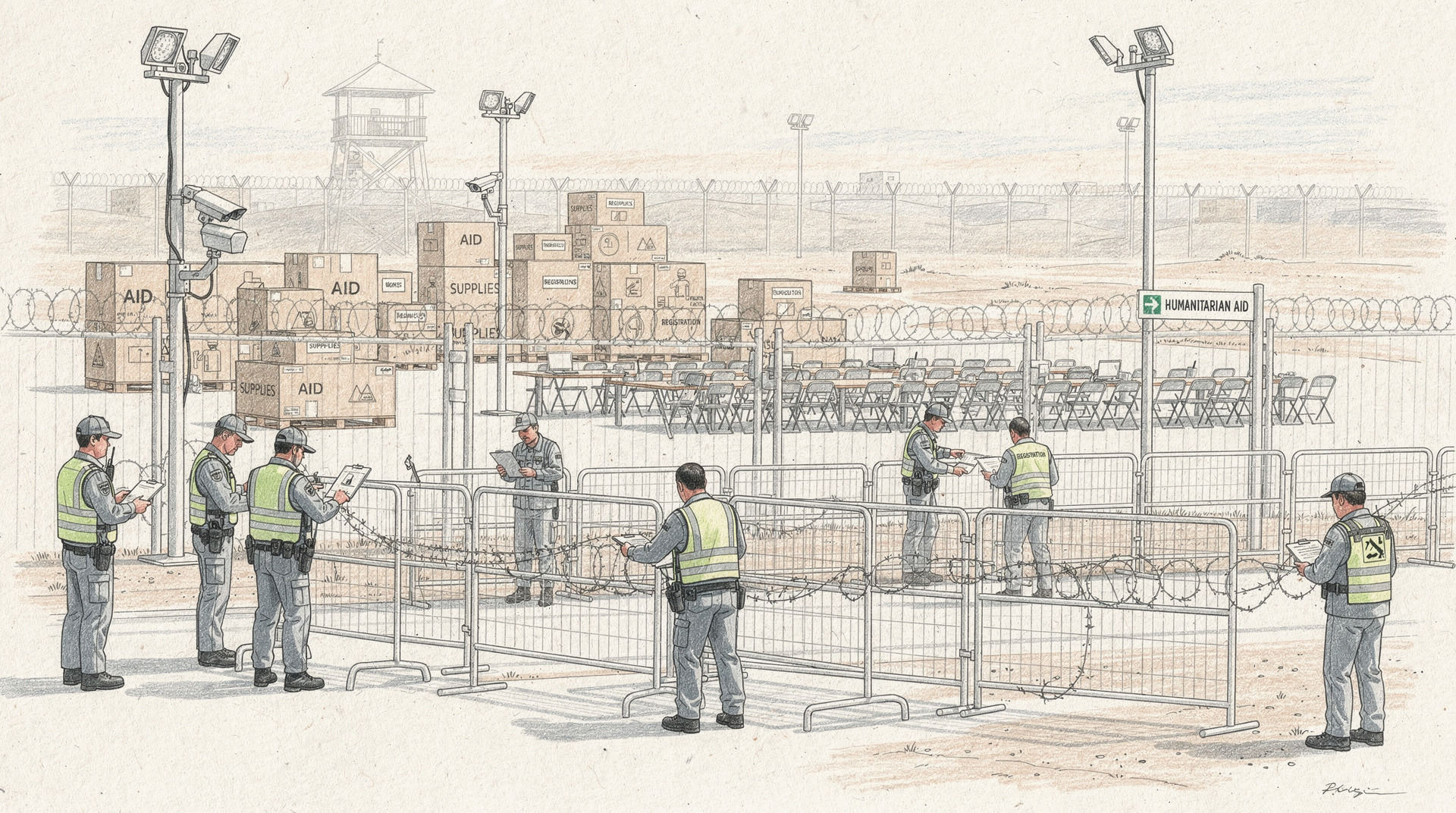
Hard security crowds out nuance
Military threats and border control dominate agendas. The paper argues that this tilt leaves little space for prevention, resilience and social protection, even though these were once seen as core to long-term stability.
Migration hardens the shift
The treatment of migration is a key marker. The analysis highlights how deterrence and externalisation have overtaken protection and responsibility-sharing. Human security concerns are acknowledged, then overridden.
Values stay, practice changes
The EU still speaks the language of norms and rights. The paper stresses the gap between rhetoric and action, where operational choices increasingly contradict the values they claim to defend.
Credibility takes a hit
As human security fades from practice, Europe’s moral authority weakens. The analysis frames this as a reputational problem – partners hear the talk, but see different priorities on the ground.
Short-term control, long-term risk
By sidelining human security, the EU may gain immediate leverage. The paper warns this comes at the cost of trust, prevention and sustainable stability, storing up future crises.
The uncomfortable truth: Security without people is brittle
Europe is redefining security by narrowing it. That may look tough, but it is also risky.
If the EU continues down this path, human security will survive as a slogan, not a guide. Europe may feel more in control today, but it risks building a security policy that protects borders while neglecting the human foundations that once gave its power meaning.