World Center for Strategic Studies
From closed analysis to public debate
- MONTH
- YEAR

Cold War Echoes of Great Power Minerals Strategy
In an article published by the Royal United Services Institute (RUSI) Dan Marks, an expert in energy security, argues that China and the USA are already waging a new cold war for control over strategic mineral resources while Europe struggles to catch up once again – and risks staying on the sidelines of the global resource game.
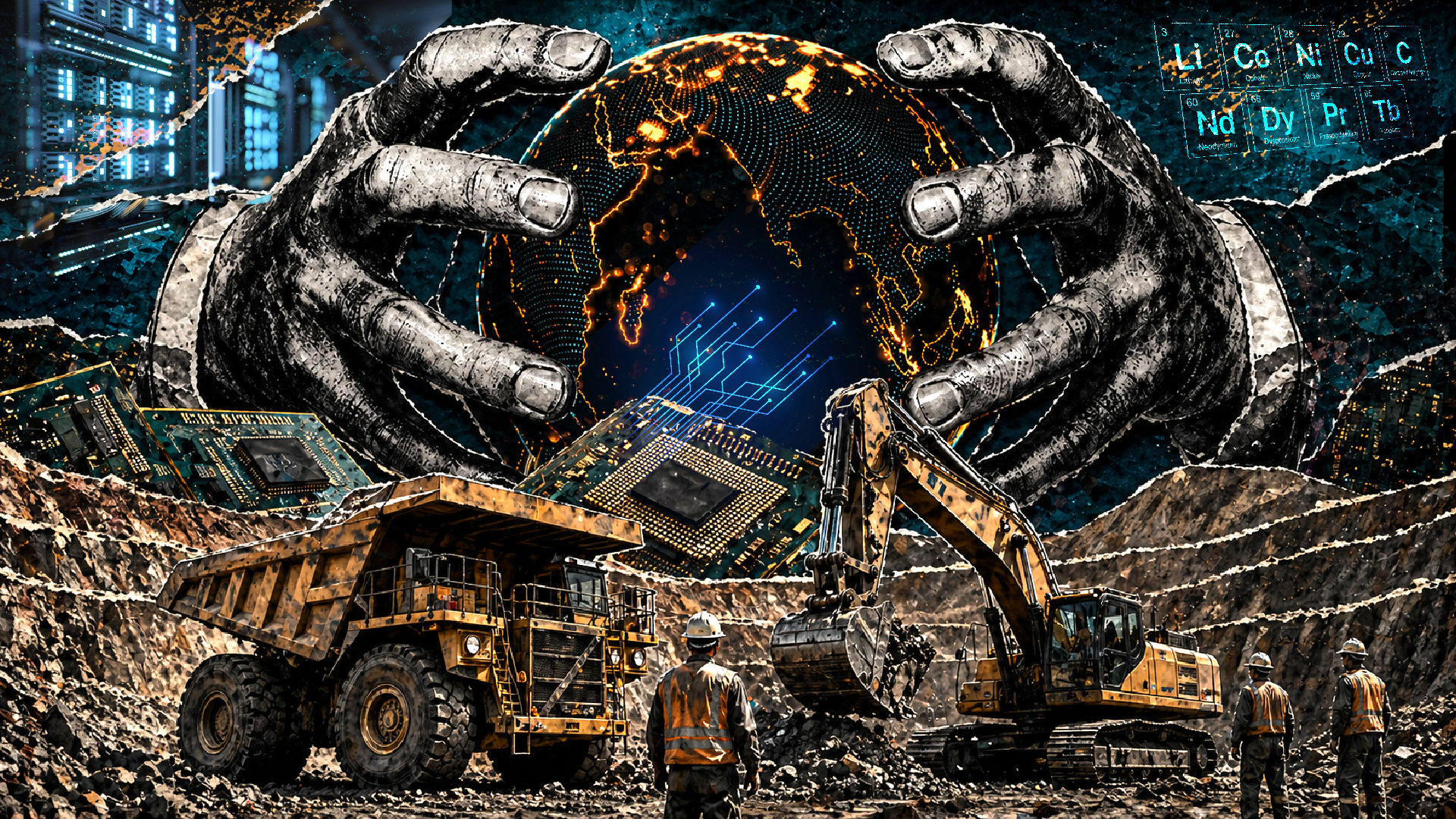
According to the author, Beijing has built a system of stringent State control over rare earth elements and is actively instrumentalizing them to put pressure on Washington while diversifying supplies and creating strategic reserves. In turn, the USA has launched a large-scale program to create its own reserves and adopted a policy of ‘mineral dominance’. Against this backdrop, European initiatives –RESourceEU and the UK’s Vision 2035 – look modest, belated and apparently underfunded. In a recent report, the European Court of Auditors strongly criticized the EU minerals strategy as ‘not a rock-solid policy’.
Marks stresses that Europe has relied on cheap Chinese supplies for years and has been slow to react to mounting risks, so it has to catch up – now that the main players are already reshaping the global markets for themselves. This creates a profound dependence for the defense and high-tech sectors as well as the industry in general. It is especially alarming that Europe is repeating the same mistakes it has made on the Russian track: misjudging the long-term risks, betting on ‘cheap’ supplies, and not planning strategically. So even its stated goal of ‘strategic autonomy’ remains largely declaratory. Competition by China that already controls up to 80–90 percent of some rare earth supply chains only increases the vulnerability of the European economy.
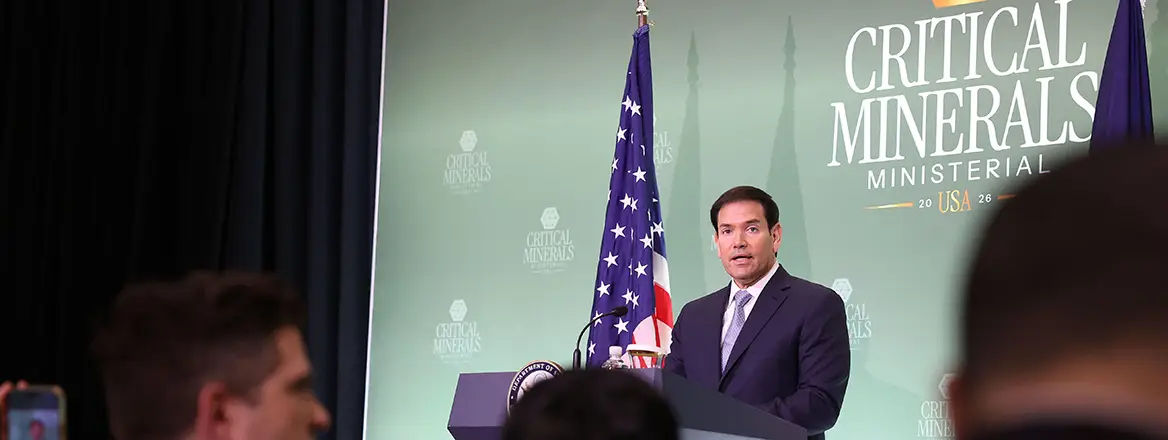
Europe thus stays chronically incapable of planning strategically for the long term instead of building its genuine resource independence. While China and the USA play a tough game for the decades to come, the European plans remain underfunded and on paper only. This not just lagging behind but a structural issue that may hit the continent’s competitiveness and security hard in a next global crisis. The louder they talk about ‘strategic autonomy’ in Brussels, the more evident it is how much this remains a handsome myth for now.